

Buying Road Barriers for Multi-Area Installation?
- MARCH 19, 2026
- By Admin
Now, road accidents are very common, and they affect families and individual lives. In 2023, only in India 4.8 lakh road crashes happened. According to the source, approximately 1.72 lakh deaths are happening as a result. On average, 1,317 crashes occur, and 474 people lose their lives daily. Poor infrastructure is one of the biggest reasons for many crashes. To improve the infrastructure of the road and highways, city, etc., the most important thing is road barriers, guard rails, etc.
Why Multi-Area Road Safety Matters
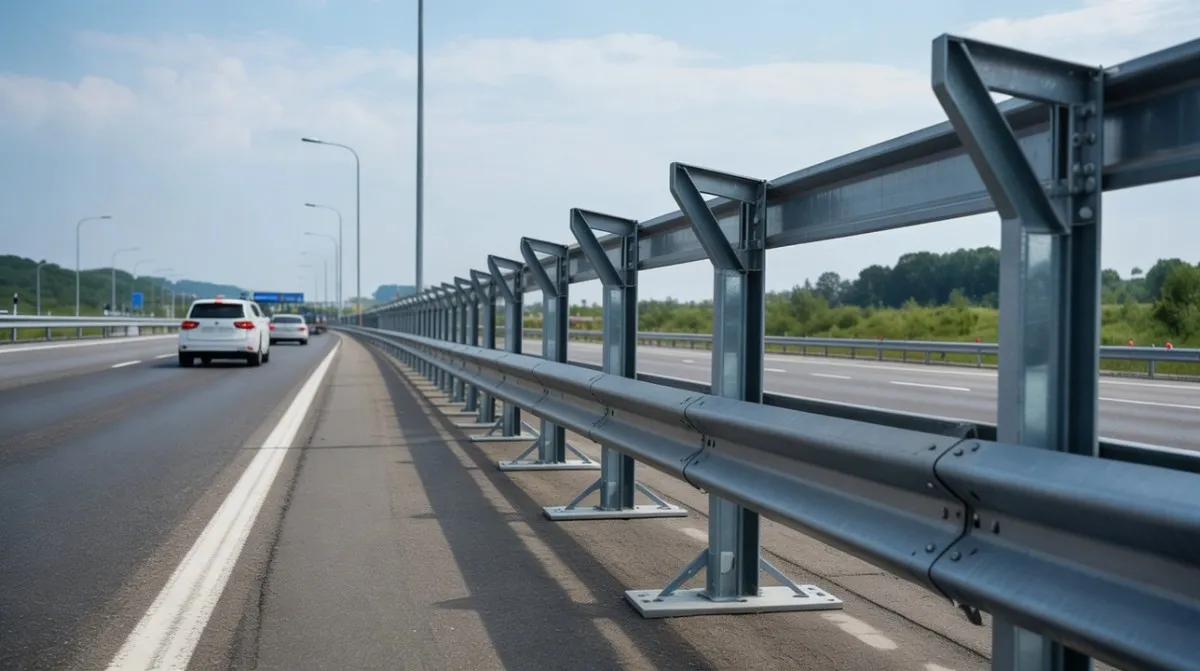
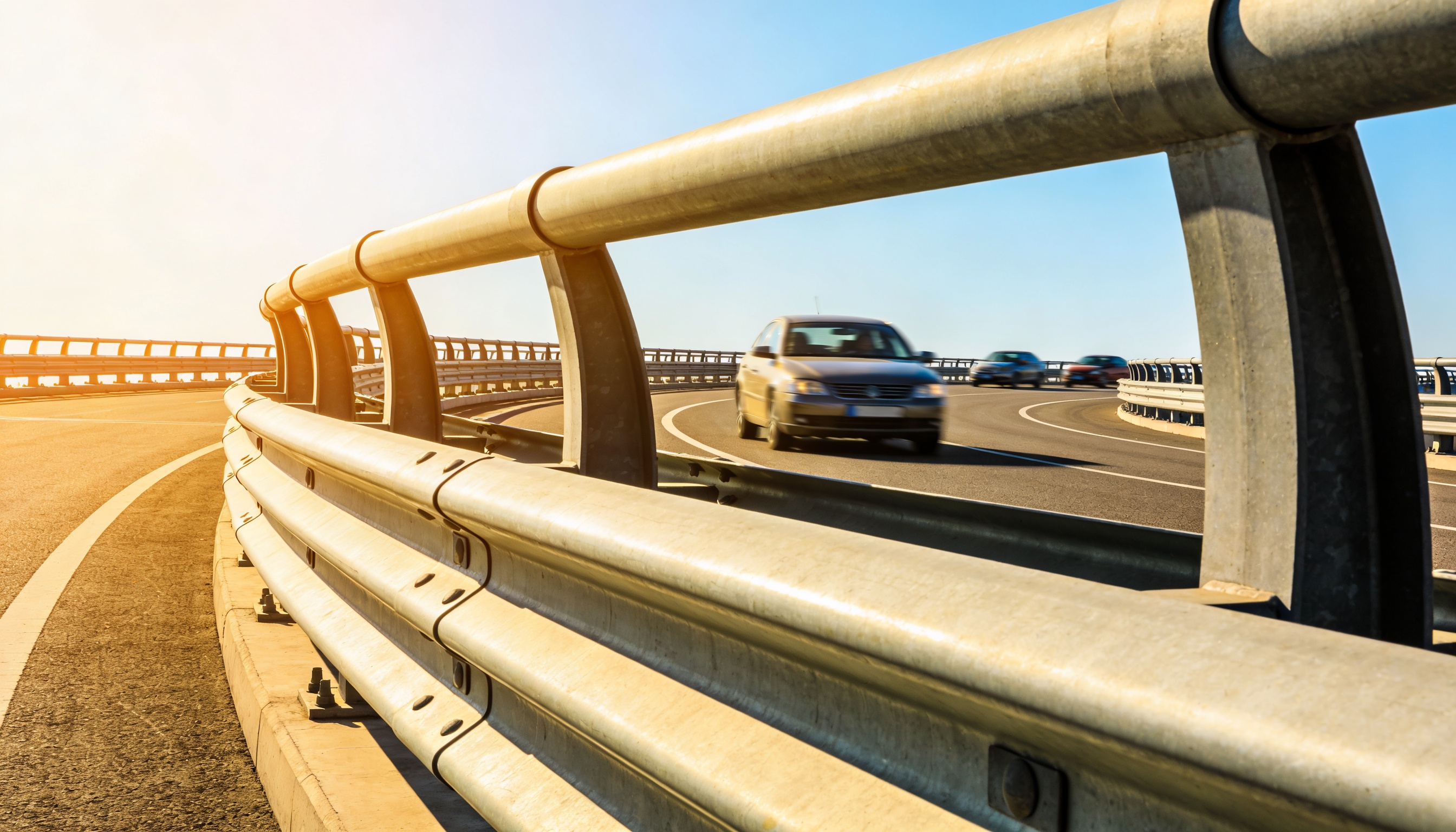
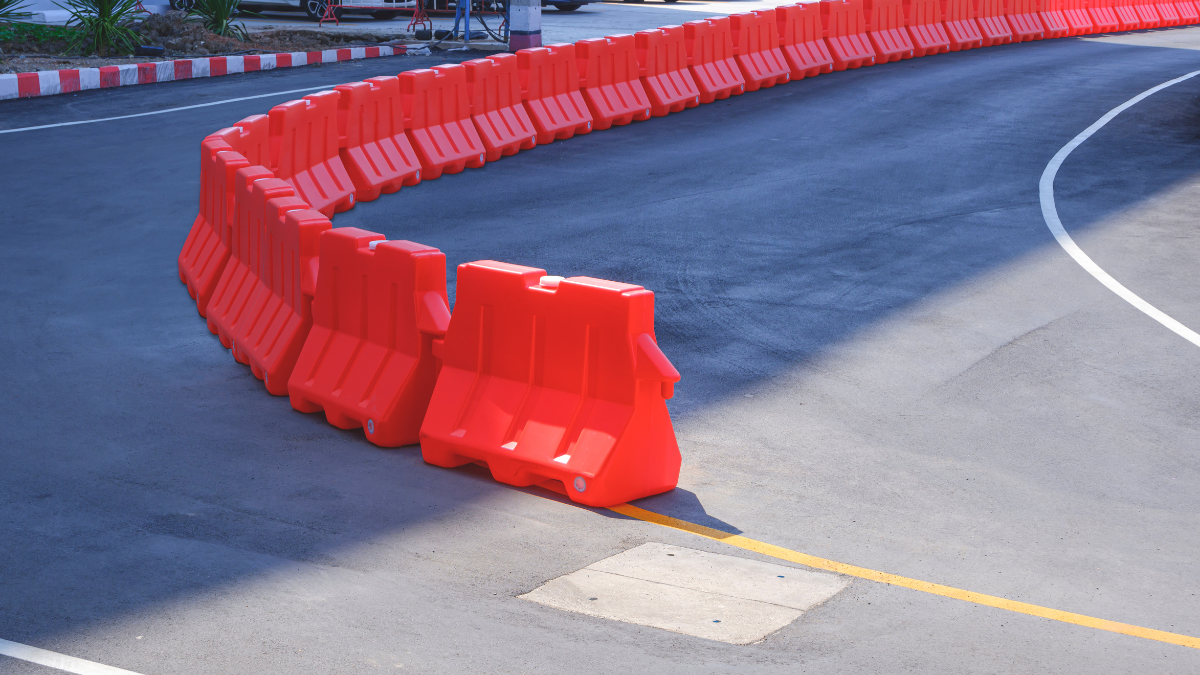
Installing the Road Barriers in multiple areas is not just a formality; the meaningful reason is safety. With the road barrier installation, many accidents can be controlled.
Some benefits of installing the road safety product.
- Reduction in the intensity of impact during accidents.
- Control the vehicles so that they do not leave the road in sharp corners and stretches.
- Protection for a walker in high-traffic zones.
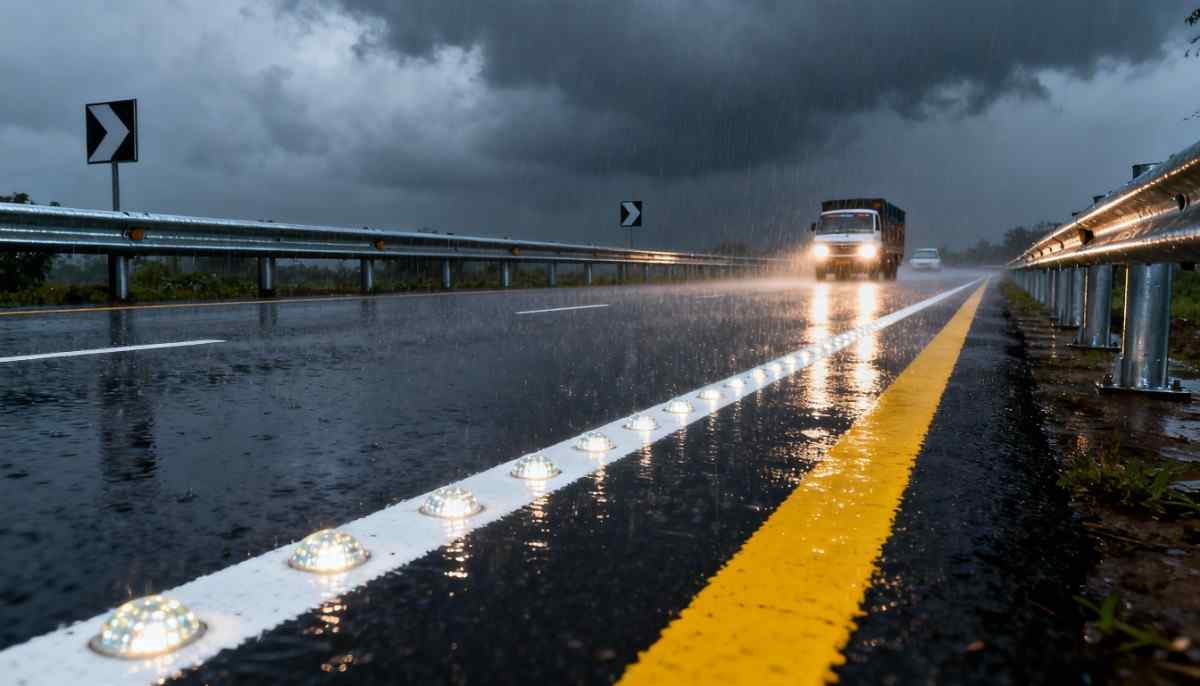
- Enhanced visibility and guidance during bad weather.
Here is a reference blog on road safety and traffic management:
Road Barriers: Enhancing Safety and Traffic Management on Modern Roads
Fun Fact
Road barriers are basically the “bouncers” of highways—they don’t stop you from coming in, but they definitely stop you from going where you shouldn’t.
The Human & Economic Cost of Road Accidents
In road accidents, India is one of the countries in the world where deaths happen.
This represents not only human loss but also these:
- Economic burden on families
- Costly emergency responses
- Loss of workforce productivity
- Long-term medical care for the injured
To solve this and control this, upgrade the infrastructure with a detailed approach and install safety systems with great product quality and durability.
Trivia
A properly installed crash barrier can reduce the severity of a road accident by up to 50%, even if it cannot fully prevent the crash.
Choosing the Right Road Barrier
Consider these factors to install the road barriers in multi-area for road safety.
Material & Durability
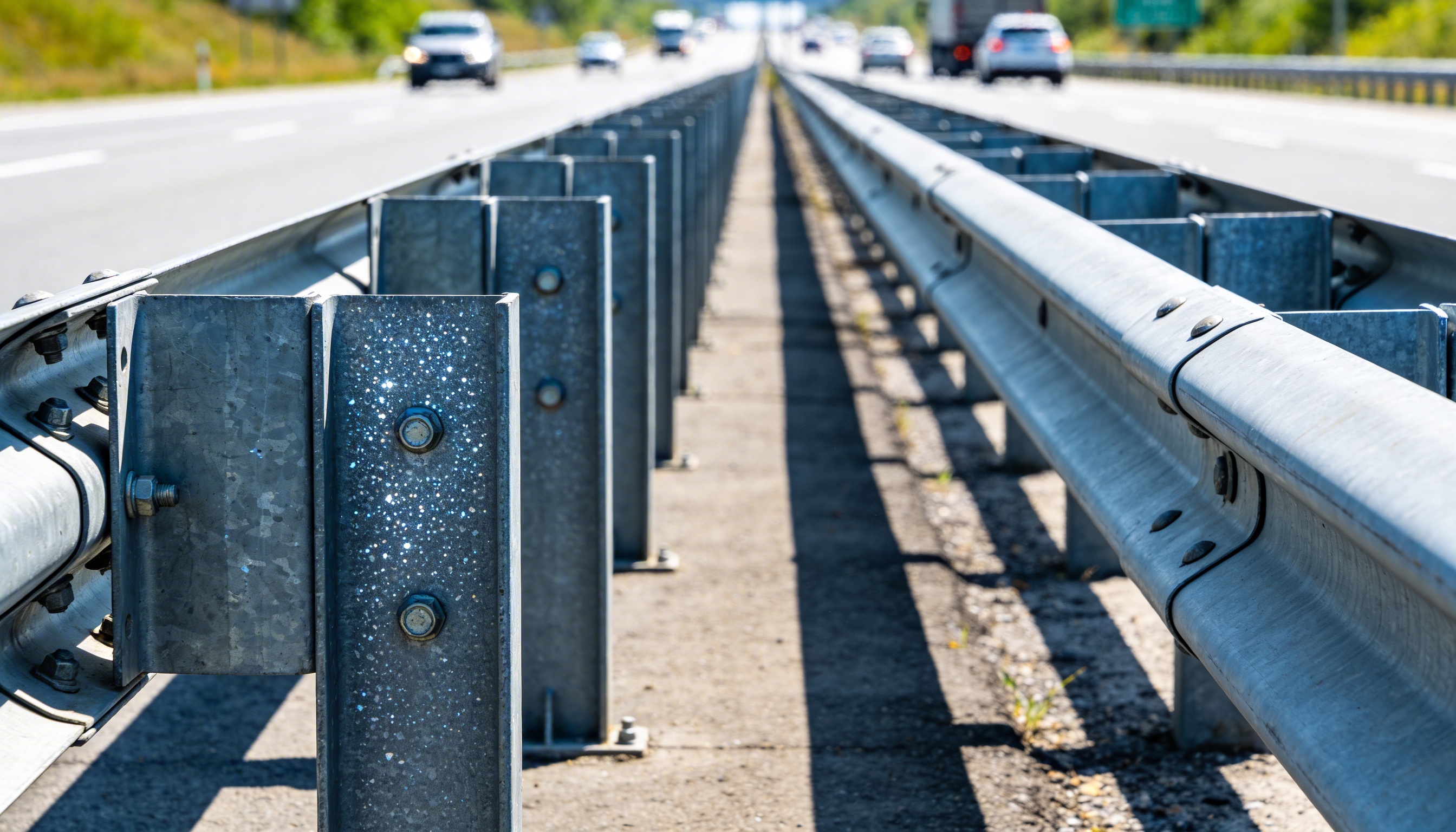
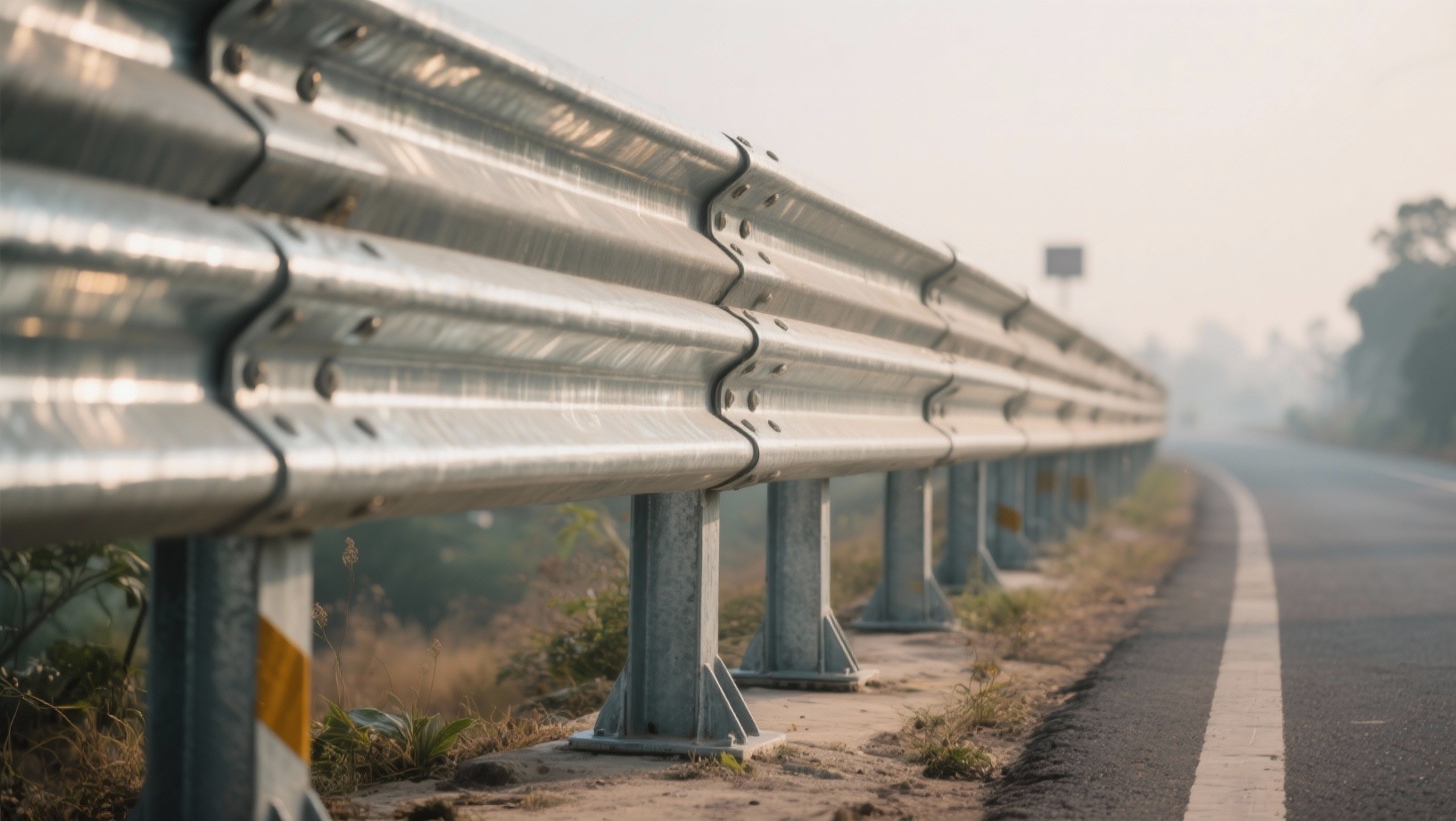
- In today's industries, steel is an excellent choice due to its impact resistance feature and longevity.
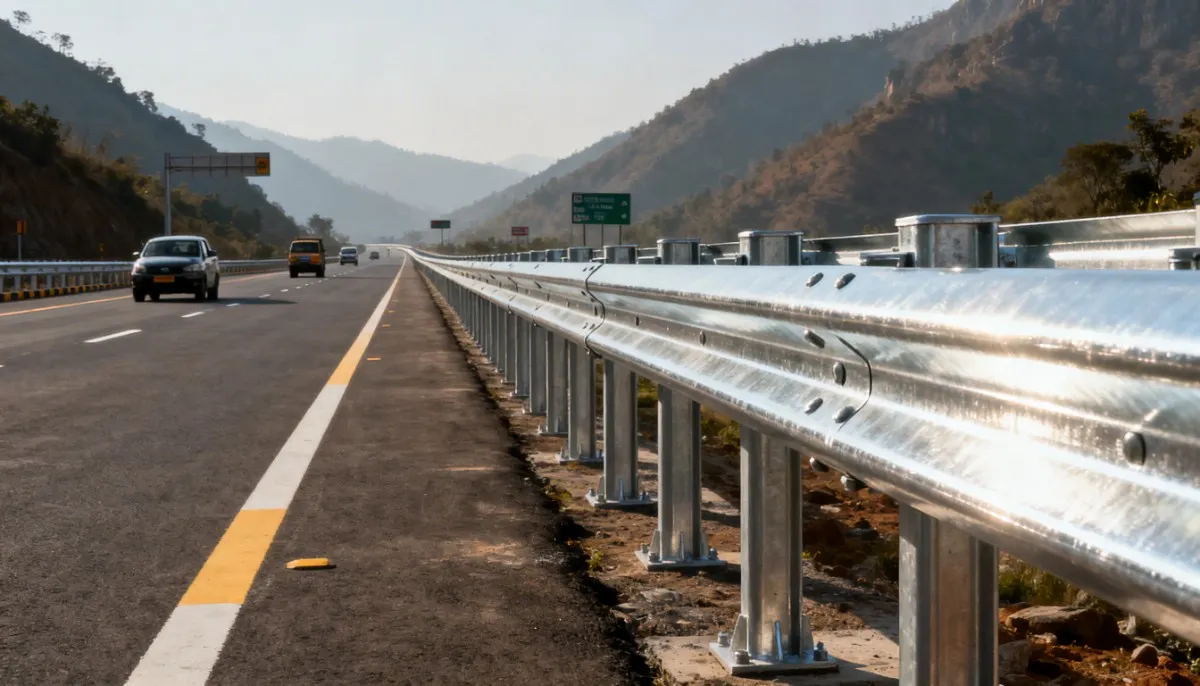
- Rust-resistant finishes extend service life in different climates.
Design & Standards
- Barriers must meet industry and governmental safety standards.
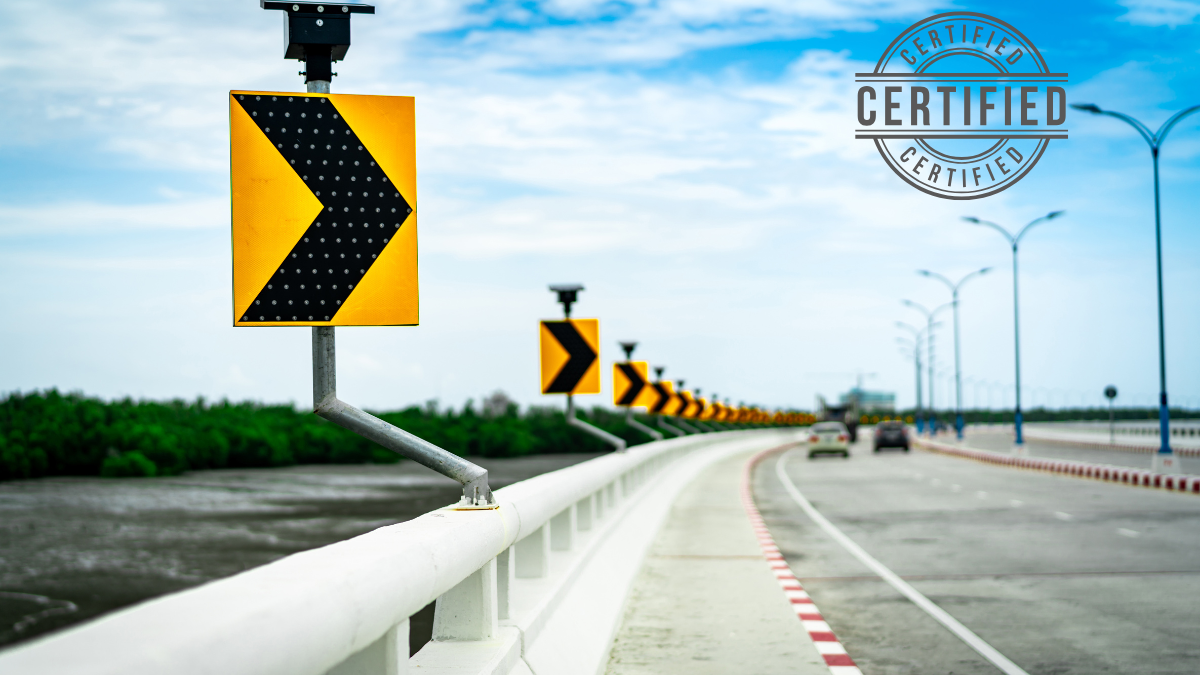
- Certified products reduce liability and ensure better performance.
Customization Options
- Height, length, and modularity needs vary according to the site.
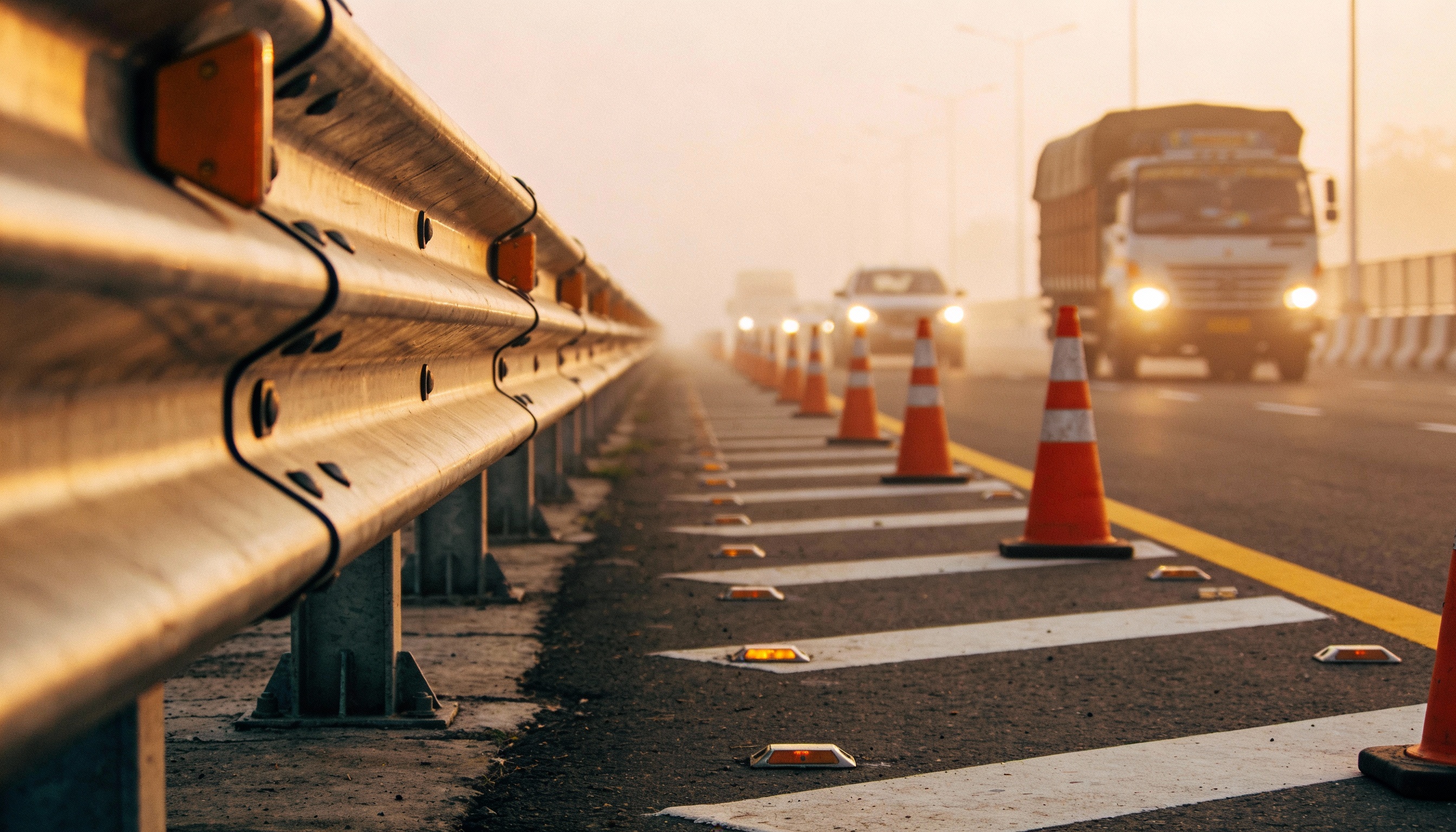
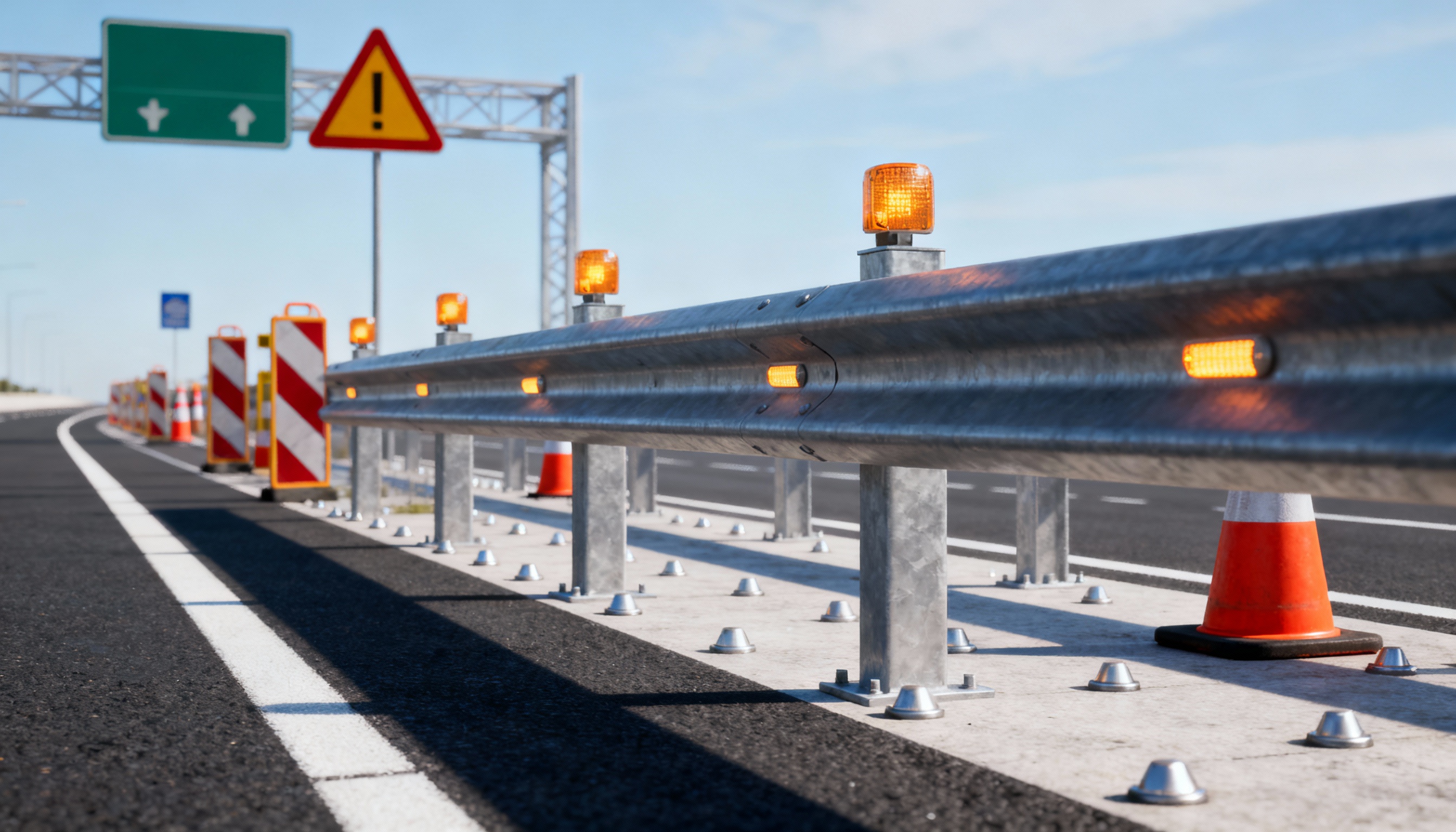
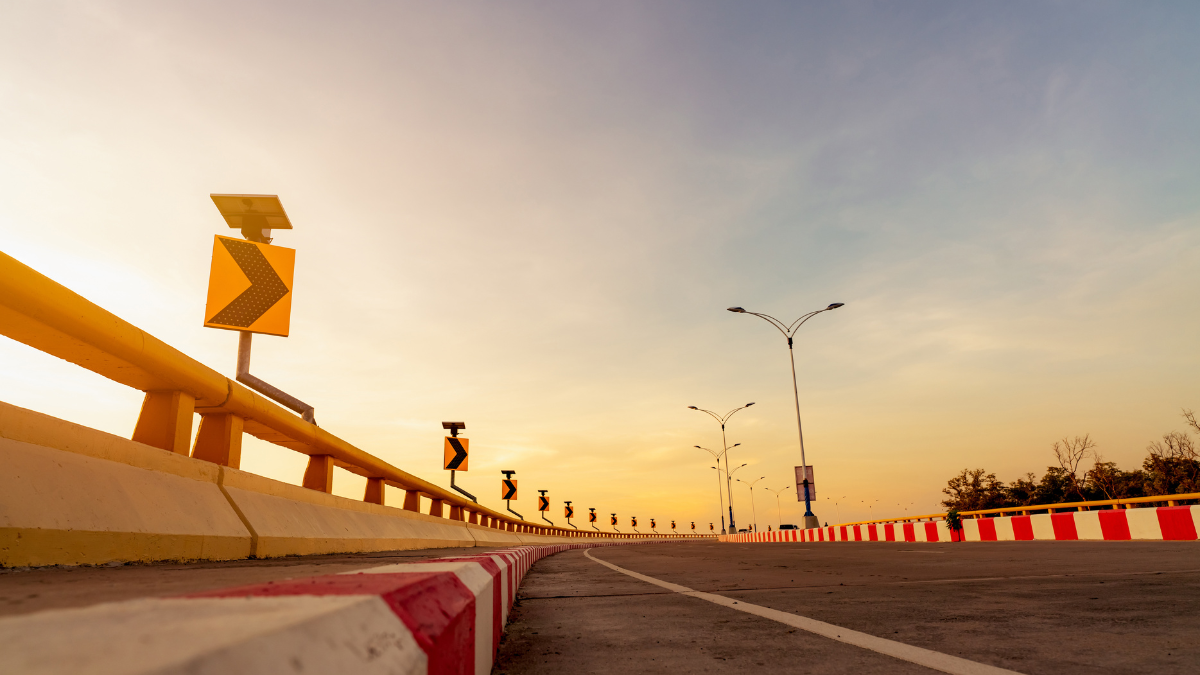
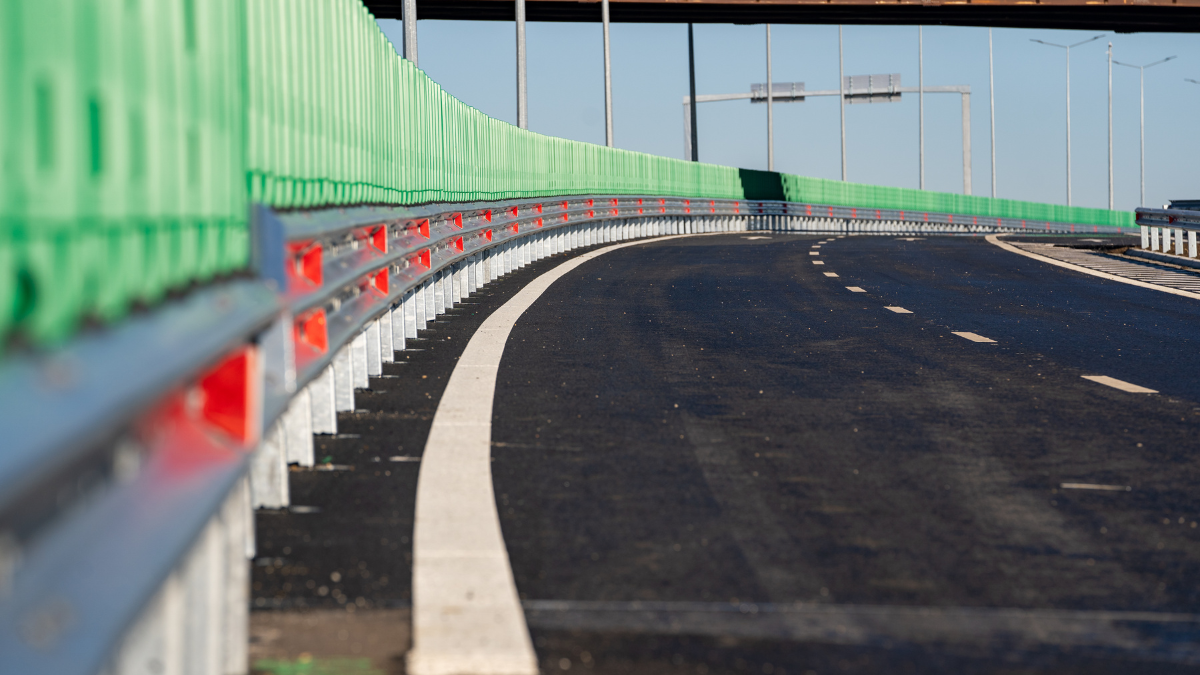
- Some areas may require special reflectors or weatherproofing.
Here is a reference blog on why crash barriers are important:
Importance of Crash Barriers on Highways
What to Look for in Suppliers
Most importantly, road barrier suppliers give good service and the best quality assurance.
Here are some points to find the best and greatest suppliers.
- Suppliers that have already been doing installations in various projects.
- Ensure the support system and after-sales service are good or bad.
- Verify the safety certificate and compliance.
- See the customers' reviews on their testimonies.
Also differentiate the price and flexible delivery and compare it with another one.
Trivia
Many accident-prone locations already have warning signs—but without barriers, signs alone often fail to prevent serious crashes.
Comparing Road Barrier Options
Here is a simple comparison table of different barriers.
| Barrier Type | Key Feature | Best Use Case | Typical Lifespan |
|---|---|---|---|
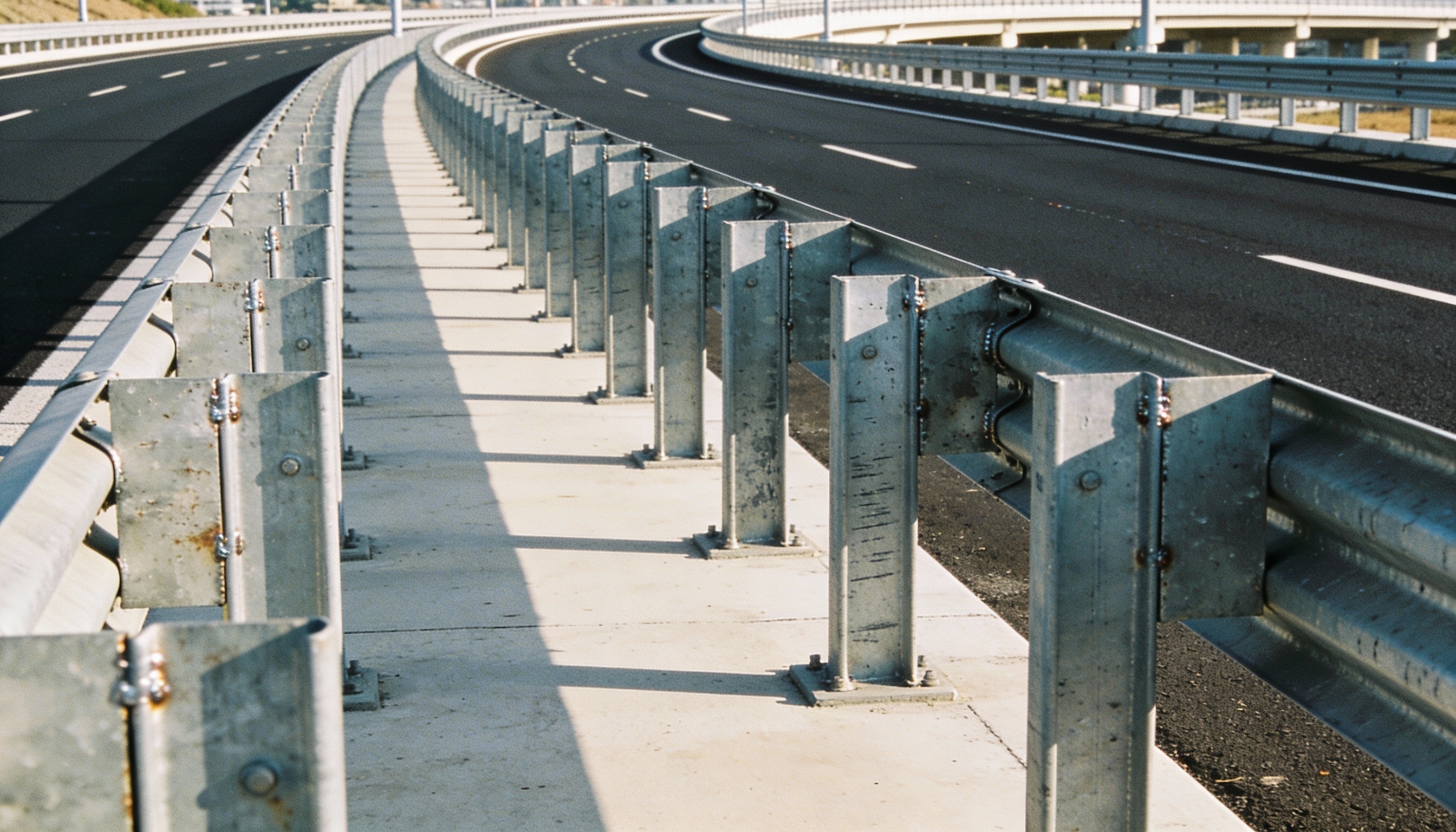
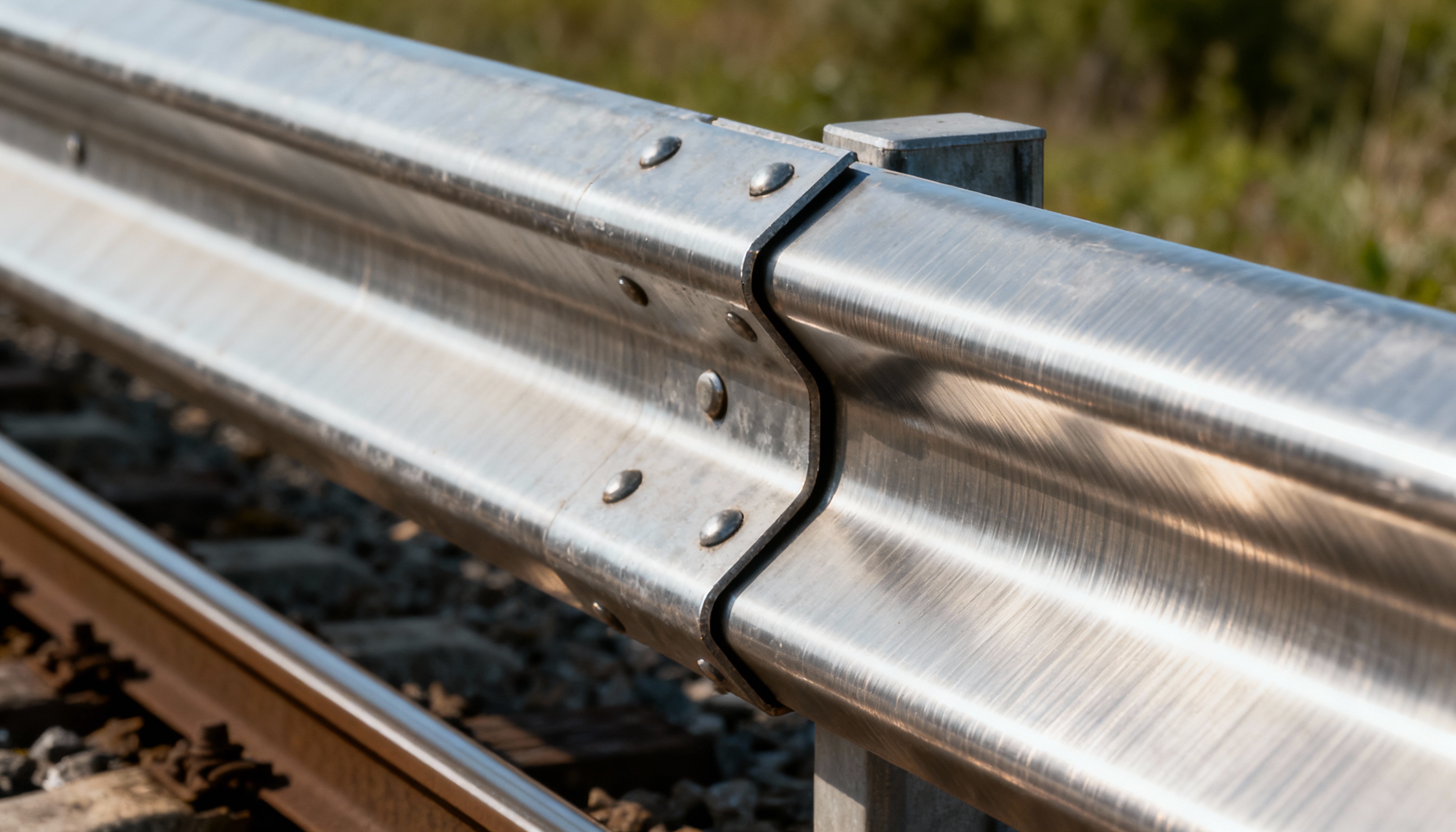
| Steel W-Beam | High impact resistance | High-speed highways | 15–25 years |
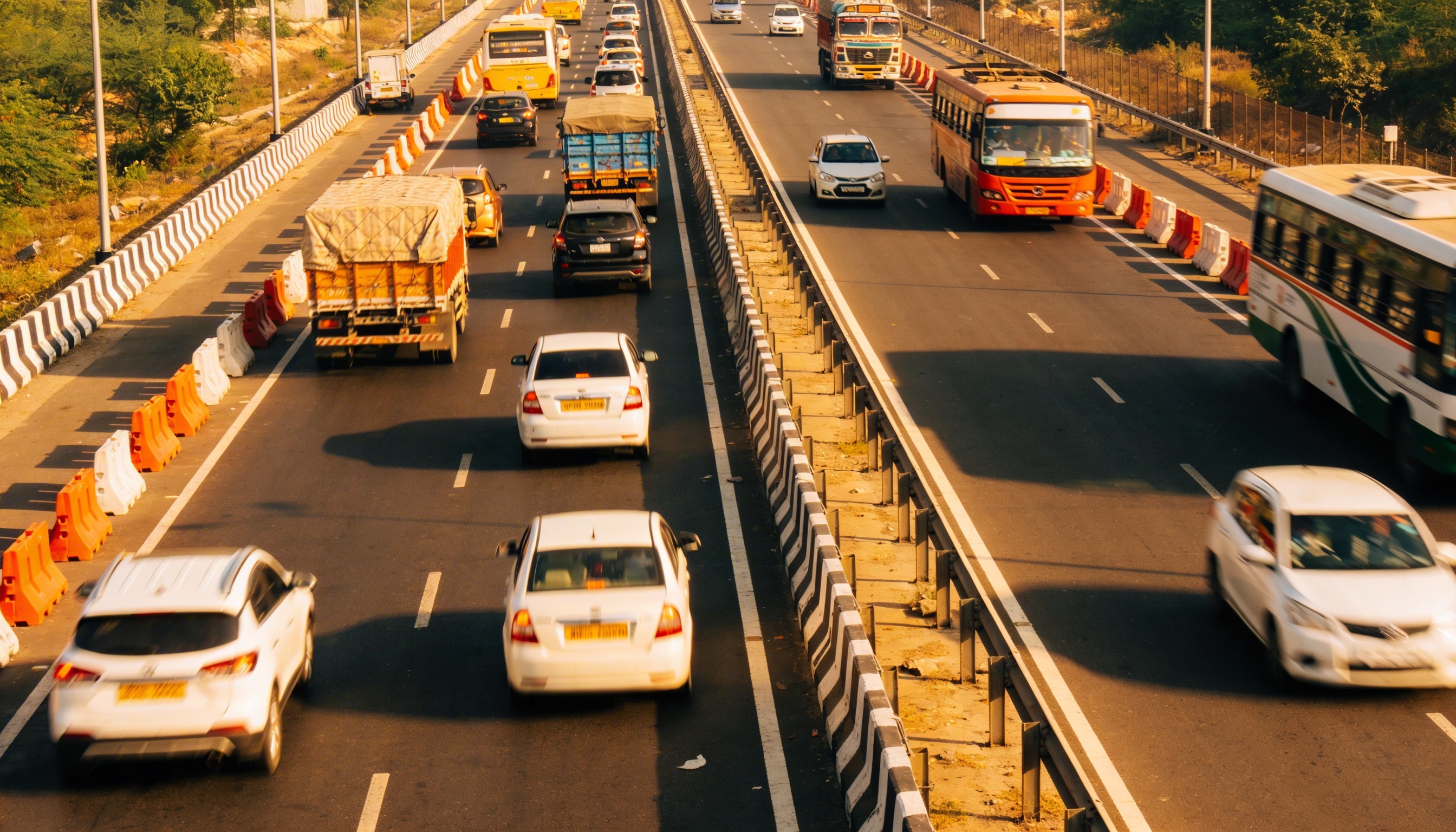
| Concrete Barrier | Rigid and low-maintenance | Urban & bridge zones | 20+ years |
| Cable Barrier | Deflects vehicle energy | Divided roadways | 10–20 years |
| Modular Plastic | Light & quick install | Temporary or low-volume areas | 5–10 years |
Based on your requirement, you can choose any of them for installation according to speed, expected impact load, and maintenance capabilities.
You should also know about guardrails and their types. Here is a reference blog:
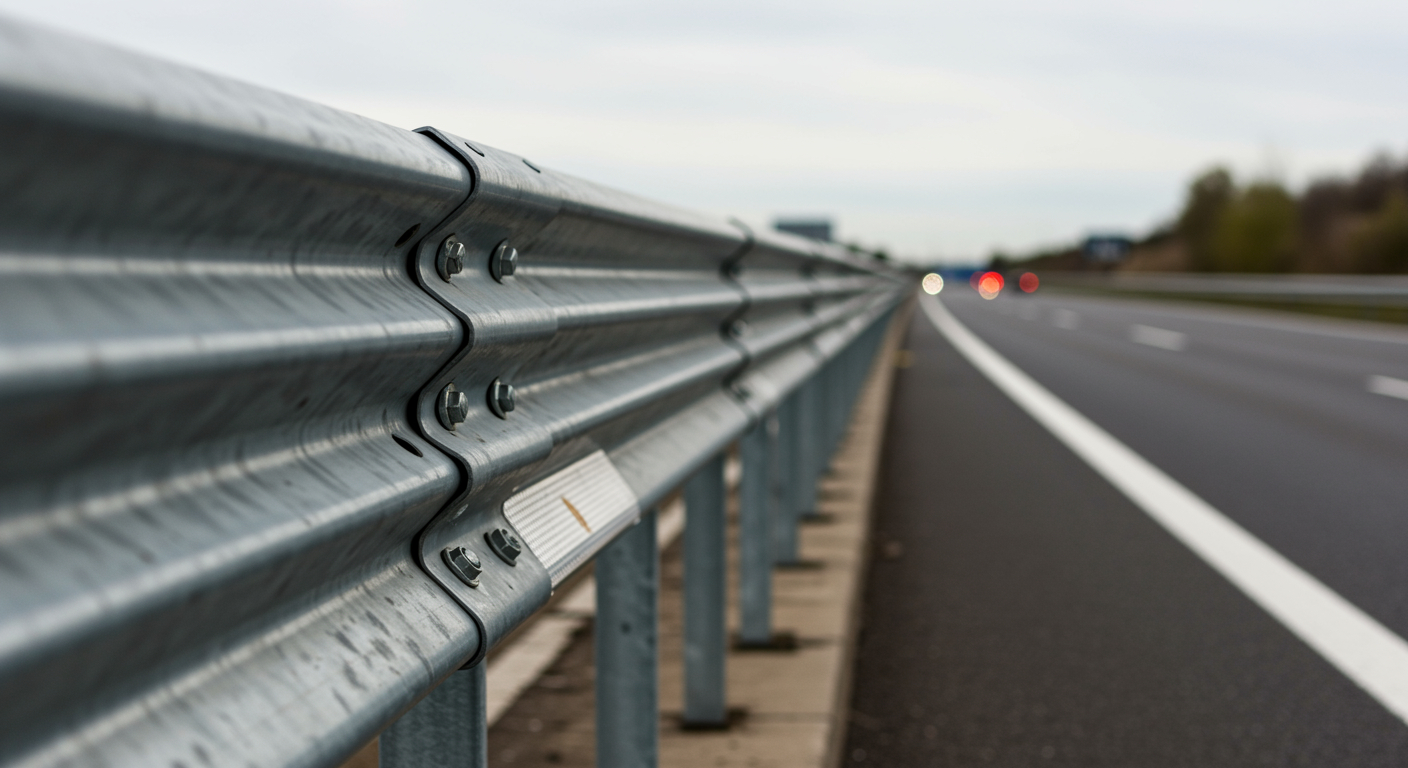
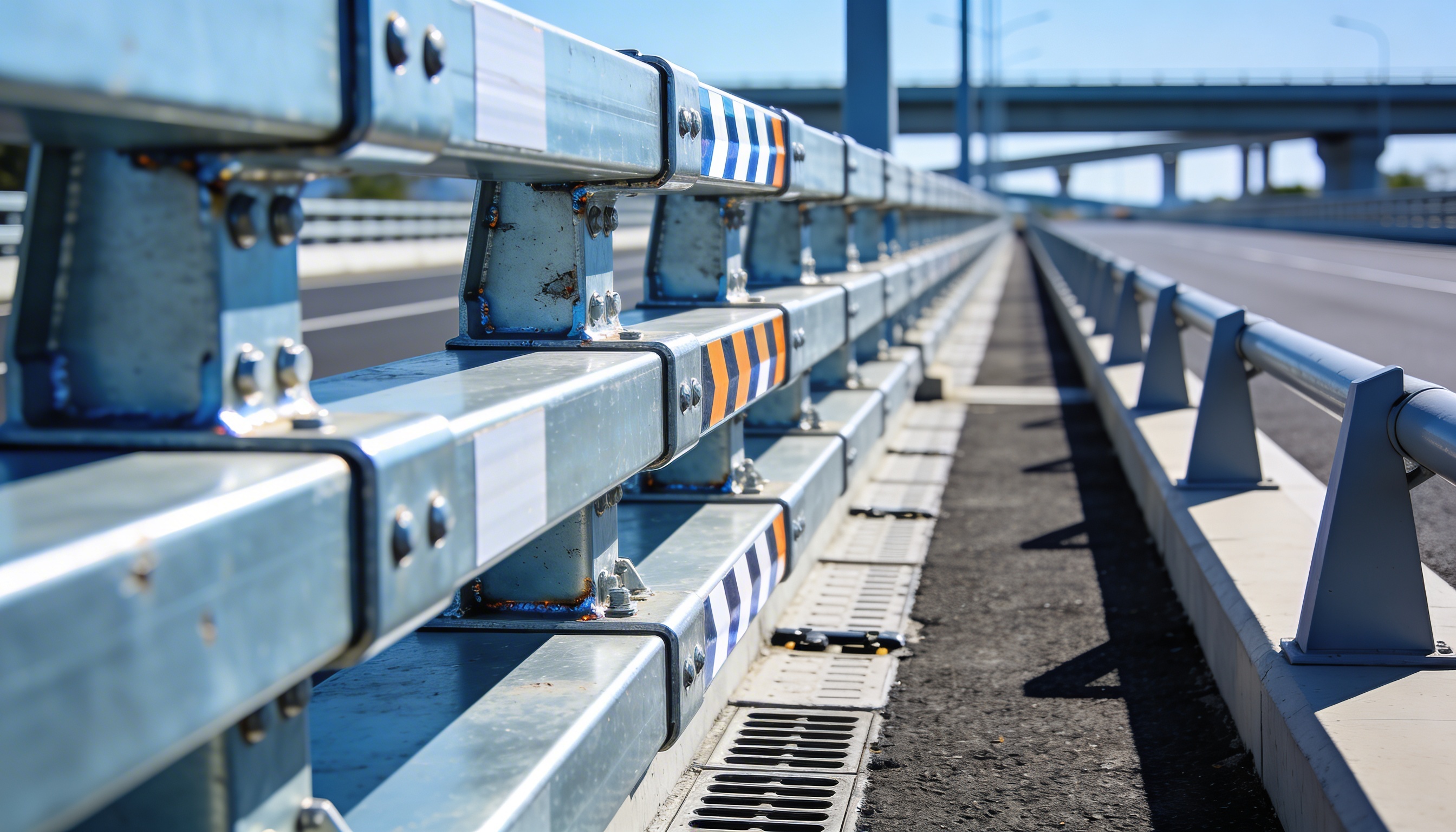
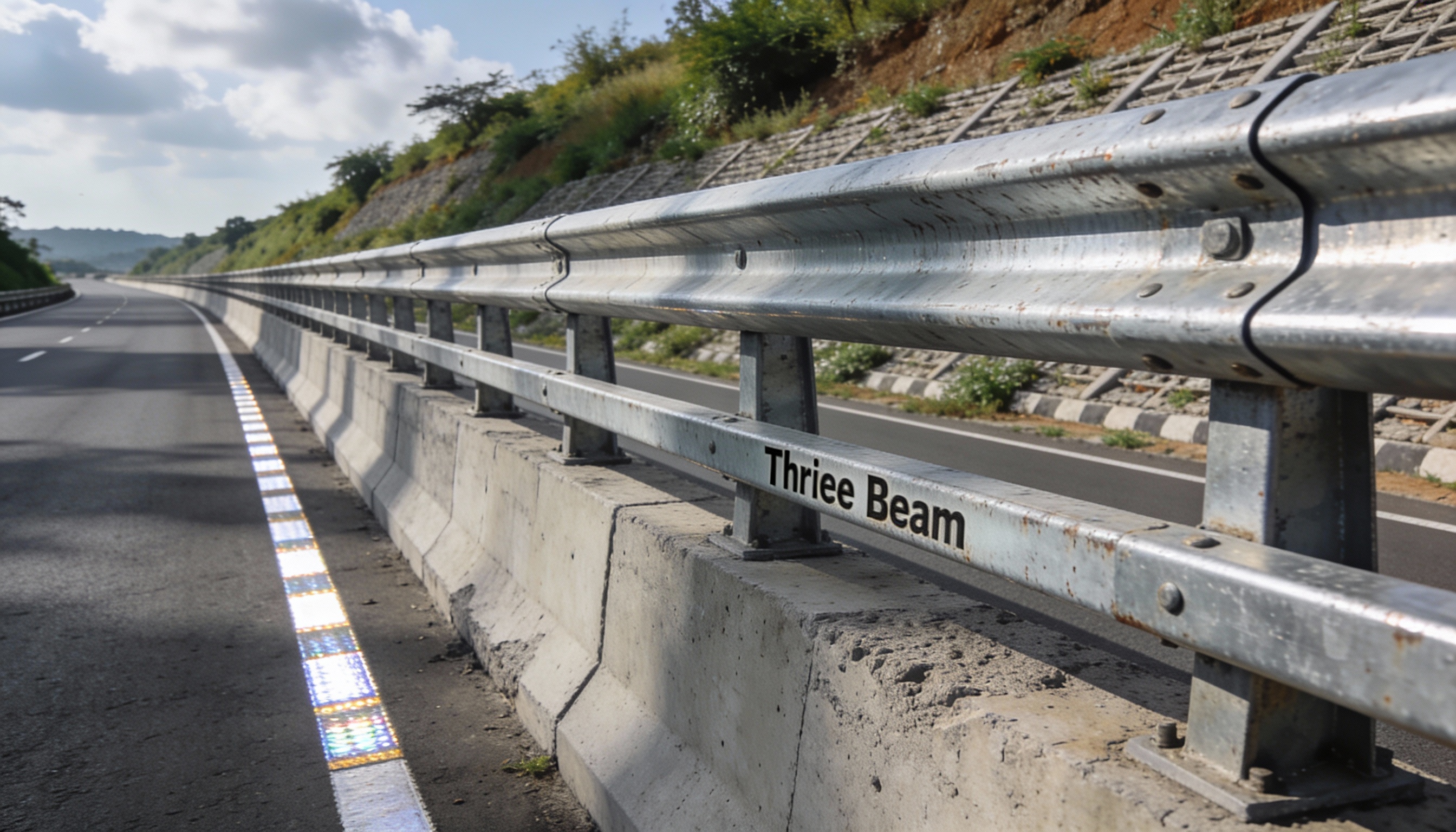
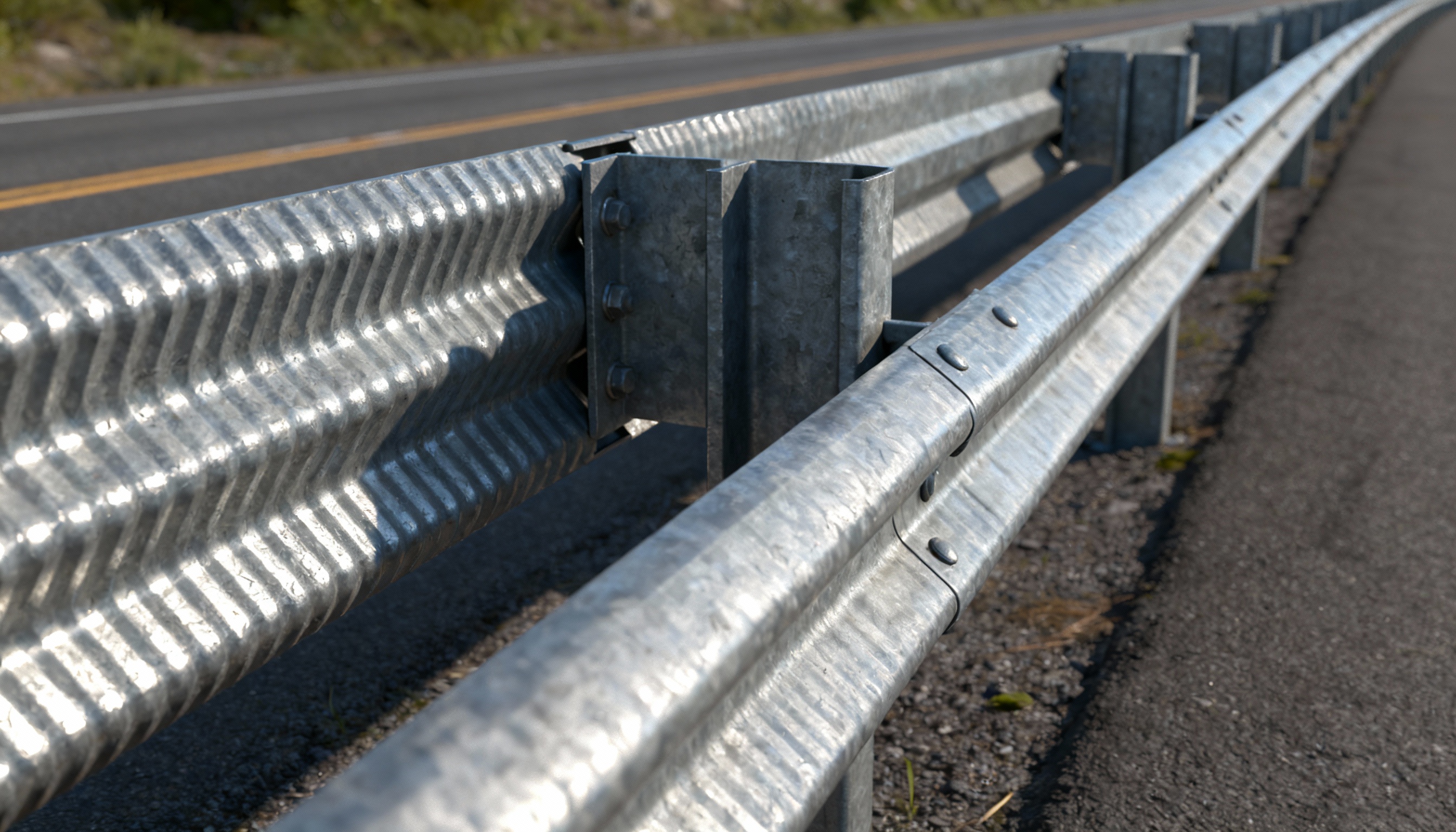
Types of Guardrails: W-Beam and Thrie-Beam Explained
Trivia:
Drivers often notice road barriers only ’’after’’ they save their lives—barriers are the real silent heroes of the road.
Installation & Maintenance Tips
Some important instructions when going to invest in these.
- First, survey the locations: high curves, drop-offs, and accidental spots should be prioritised.
- Use a trained person for installing: Precision placement guarantees optimal performance.
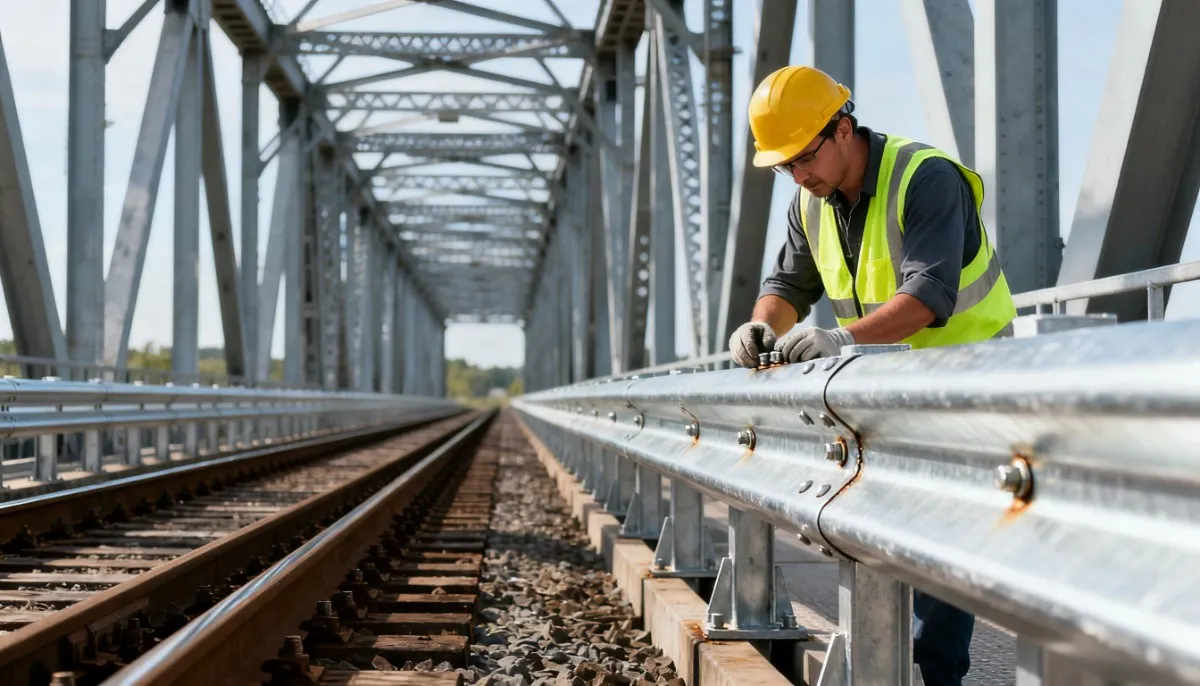
- Schedule regular inspections: Environmental wear or post-impact replacements help sustain safety.
- Coordinate with local authorities: Permits and approved security plans make deployment easier.
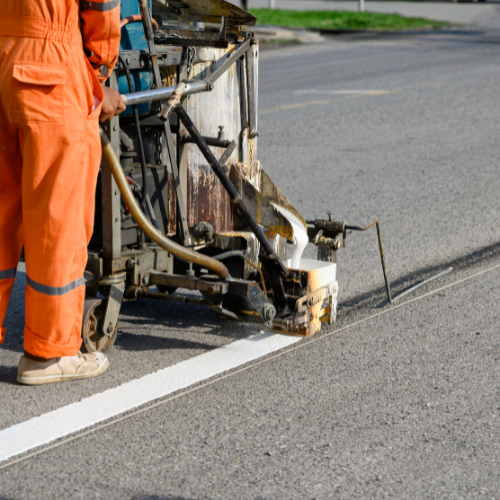
Proper maintenance of road safety can reduce the number of accidents over time.
Fun fact:
Many accidents could be avoided if vehicles respected boundaries… which is exactly why road barriers exist.
Conclusion
Investing in high-quality barrier systems is important because it helps to reduce the crashes on the road and decrease the death. Choosing the right road barrier suppliers and road barriers manufacturers in India is most important for safety purposes. If you’re researching reliable manufacturers and quality installations, it’s equally important. Treadsafesteel is the perfect fit for you if you are looking for a crash barrier, Guard Rails, or related products. They work with experienced manufacturers focused on durability and compliance, making them a dependable option in your safety infrastructure strategy. Visit Now: tradesafesteel.com
Frequently Asked Questions (FAQs)
1. Why are road barriers essential for multi-area installation projects?
Ans: Road barriers play a critical role in reducing accident severity by preventing vehicles from leaving the roadway, colliding with fixed objects, or crossing into opposite lanes. In multi-area projects, barriers provide consistent safety standards across highways, service roads, bridges, and urban zones. This uniformity improves driver confidence, reduces liability risks, and ensures long-term protection for both motorists and pedestrians.
2. How do I select the right type of barrier for different locations?
Ans: Choosing the right barrier depends on traffic speed, road geometry, accident history, and surrounding hazards. High-speed highways often require steel crash barriers, while urban areas may benefit from concrete or modular systems. A proper site survey helps determine impact resistance requirements and spacing. Matching the barrier type to real-world conditions ensures maximum effectiveness and cost efficiency.
3. We installed barriers earlier, but accidents still happen—why?
Ans: Many organizations face this issue because barriers alone cannot compensate for poor placement, damaged components, or incorrect installation. In several cases, outdated designs or lack of maintenance reduce effectiveness. From real-world experience, regular inspections, correct anchoring, and compliance with updated safety standards significantly improve performance and reduce repeated accidents in the same locations.
4. What should I look for when evaluating road safety suppliers?
Ans: When assessing potential suppliers, focus on product quality, safety certifications, installation support, and long-term service commitment. Experienced suppliers also provide technical guidance, drawings, and post-installation assistance. A reliable partner helps you avoid costly rework and ensures barriers perform as intended over time. Transparency and proven project experience are strong indicators of trustworthiness.
5. Is investing in higher-quality barriers really worth the cost?
Ans: From practical experience, higher-quality barriers consistently outperform cheaper alternatives in durability and impact resistance. While the initial investment may be higher, they require fewer repairs, last longer, and significantly reduce accident severity. Many project managers later realize that cutting costs early leads to higher maintenance expenses and safety risks, making premium solutions the smarter long-term choice.
6. How often should road barriers be inspected and maintained?
Ans: Road barriers should be inspected at least once every six months, and immediately after any reported collision. Routine checks help identify corrosion, loose fasteners, misalignment, or damaged reflectors. Timely maintenance ensures the barrier performs correctly during impact. Consistent inspections not only extend service life but also maintain compliance with road safety standards and regulations.
- MARCH 19, 2026
- By Admin
- MARCH 19, 2026
- By Admin
- MARCH 19, 2026
- By Admin
- MARCH 19, 2026
- By Admin
- MARCH 19, 2026
- By Admin
- MARCH 19, 2026
- By Admin
- MARCH 19, 2026
- By Admin
- MARCH 19, 2026
- By Admin
- MARCH 19, 2026
- By Admin
- MARCH 19, 2026
- By Admin
- MARCH 19, 2026
- By Admin
- MARCH 19, 2026
- By Admin
- MARCH 19, 2026
- By Admin

- MARCH 19, 2026
- By Admin

- MARCH 19, 2026
- By Admin
- MARCH 19, 2026
- By Admin
- MARCH 19, 2026
- By Admin
- MARCH 19, 2026
- By Admin
- MARCH 19, 2026
- By Admin
- MARCH 19, 2026
- By Admin
- MARCH 19, 2026
- By Admin
- MARCH 19, 2026
- By Admin
- MARCH 19, 2026
- By Admin
- MARCH 19, 2026
- By Admin