

MoRTH Specifications for Metal Beam Crash Barriers
- MARCH 12, 2026
- By Admin
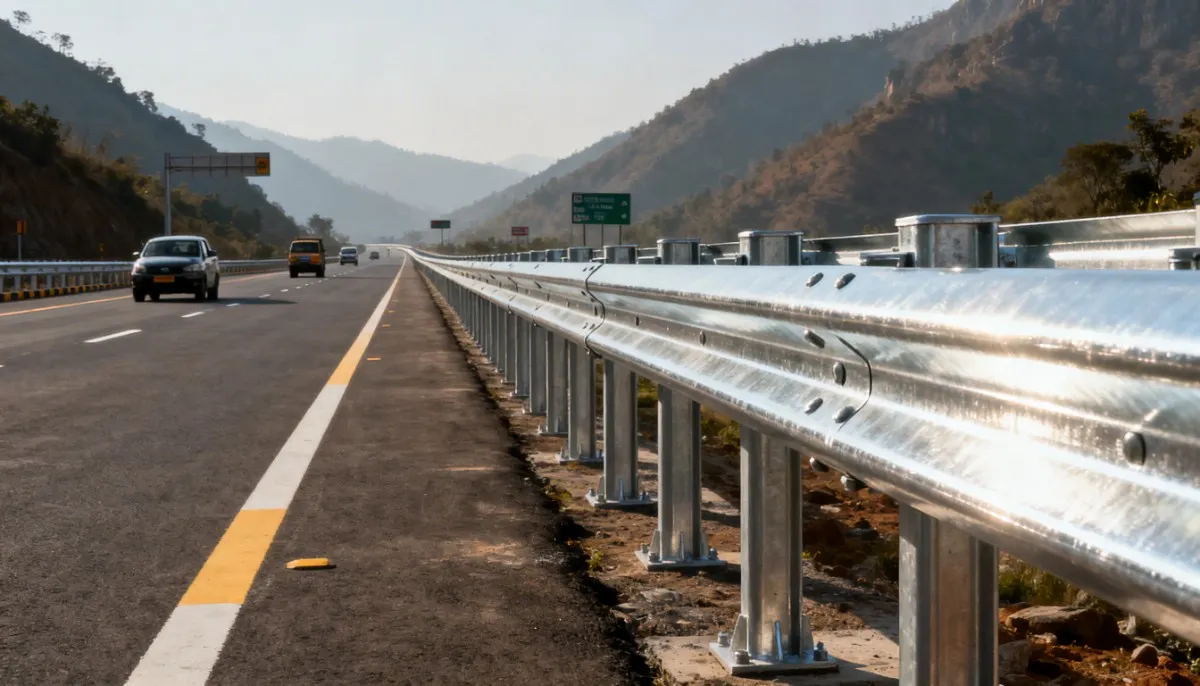
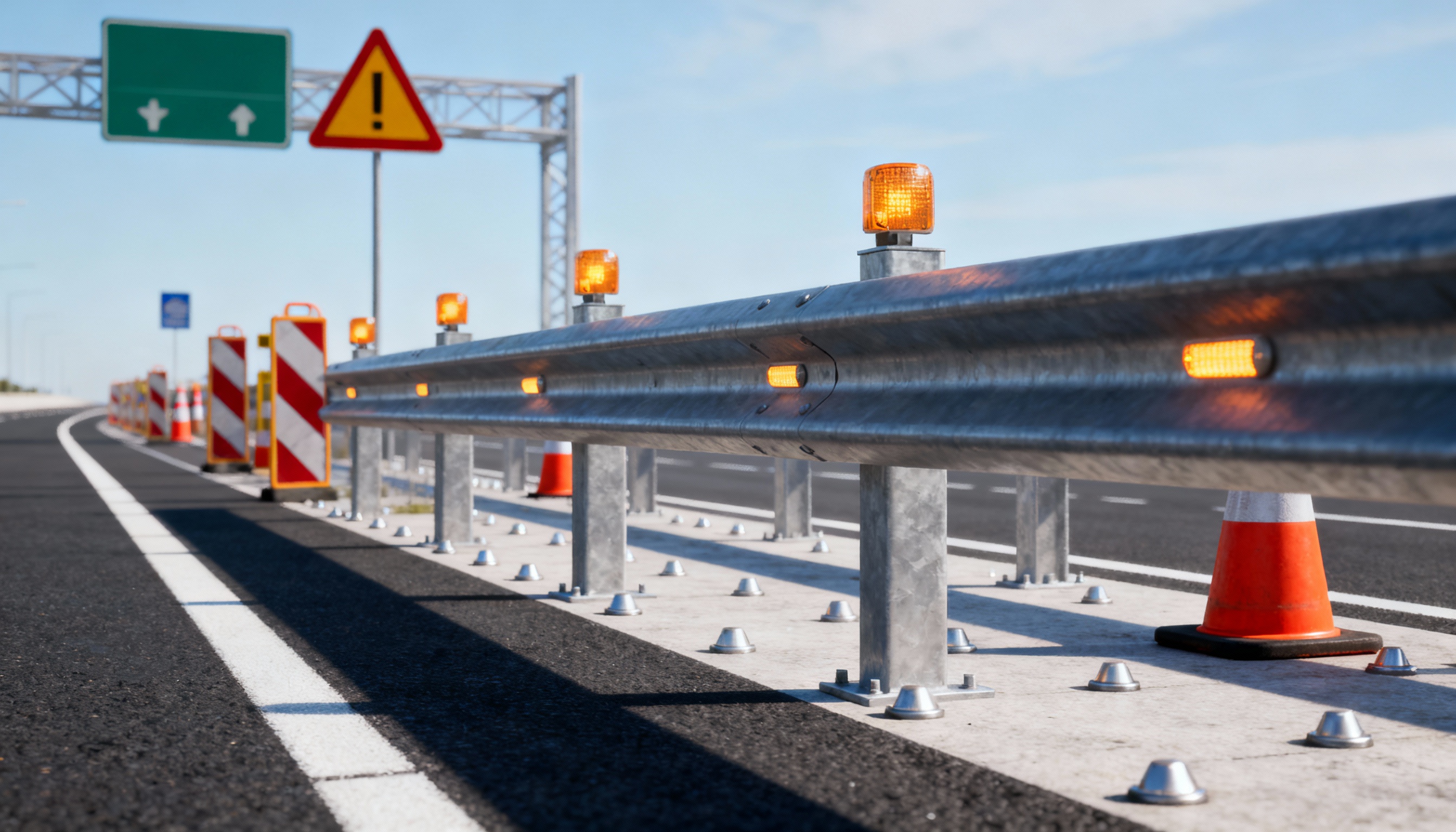
The Ministry of Road Transport and Highways (MoRTH) has set some rules for maintaining road safety to minimize accident cases that are at an all-time high. At the heart of all road safety equipment lie the metal crash barriers.
Whether you are dashing through the high-speed roads on the Yamuna Expressway or winding down the unpredictable curves of the Himalayas, metal beam crash barriers are the hidden wall between drivers and potential dangers. The following guide will cover all the parameters of MoRTH in a simpler tone and language so that you can make an informed decision.
The Anatomy of Protection: Understanding the Metal Crash Barrier
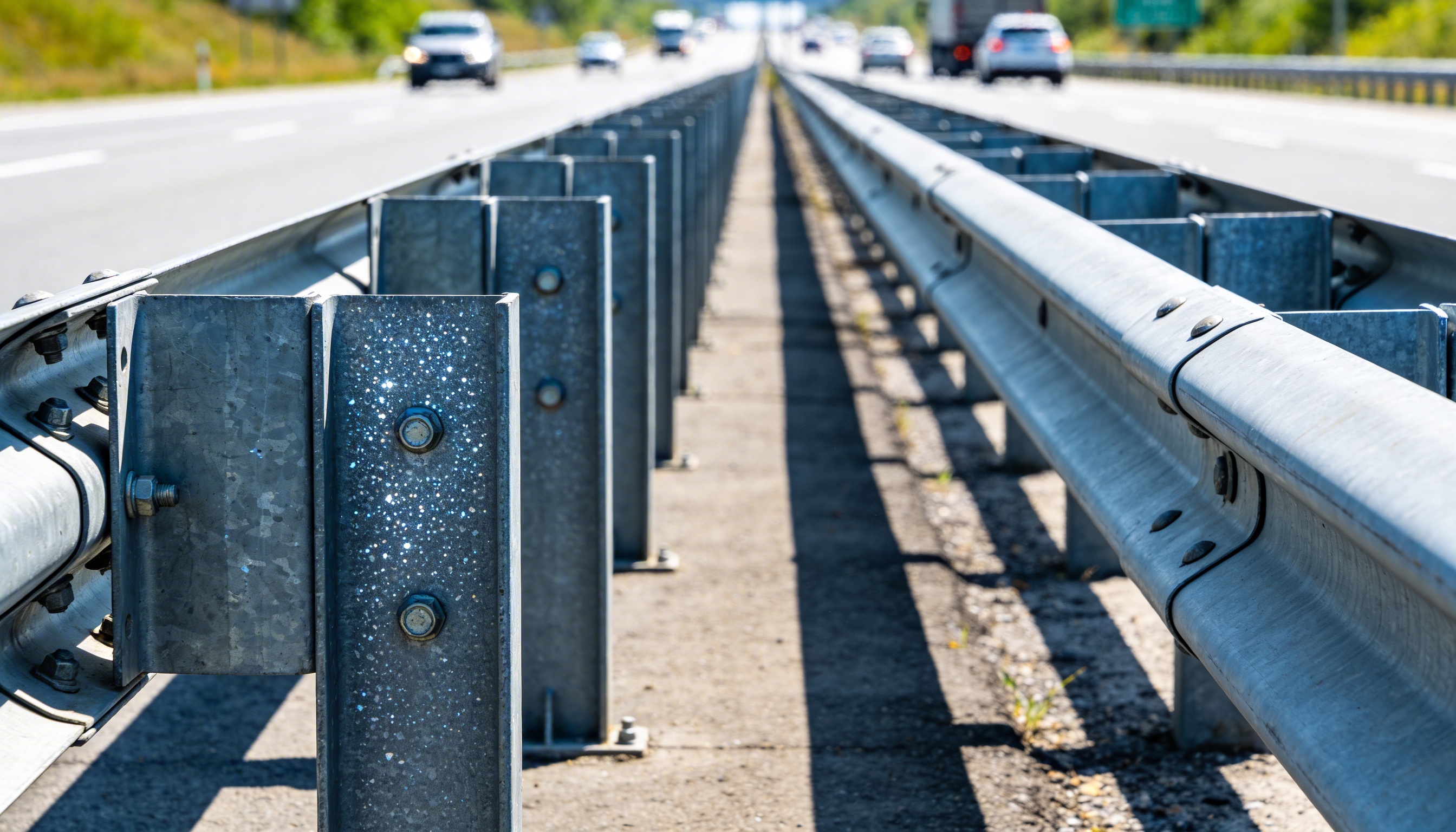
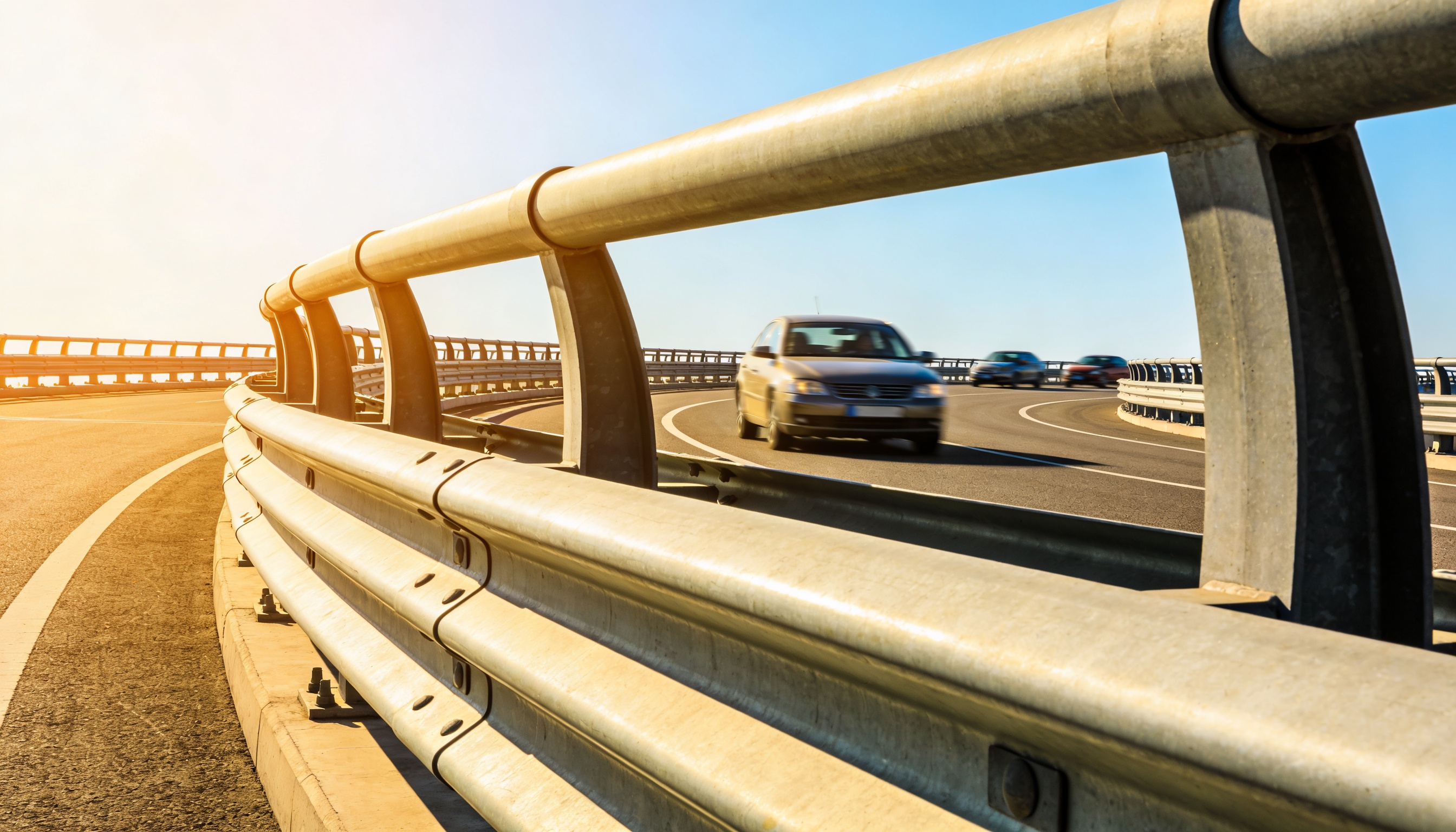
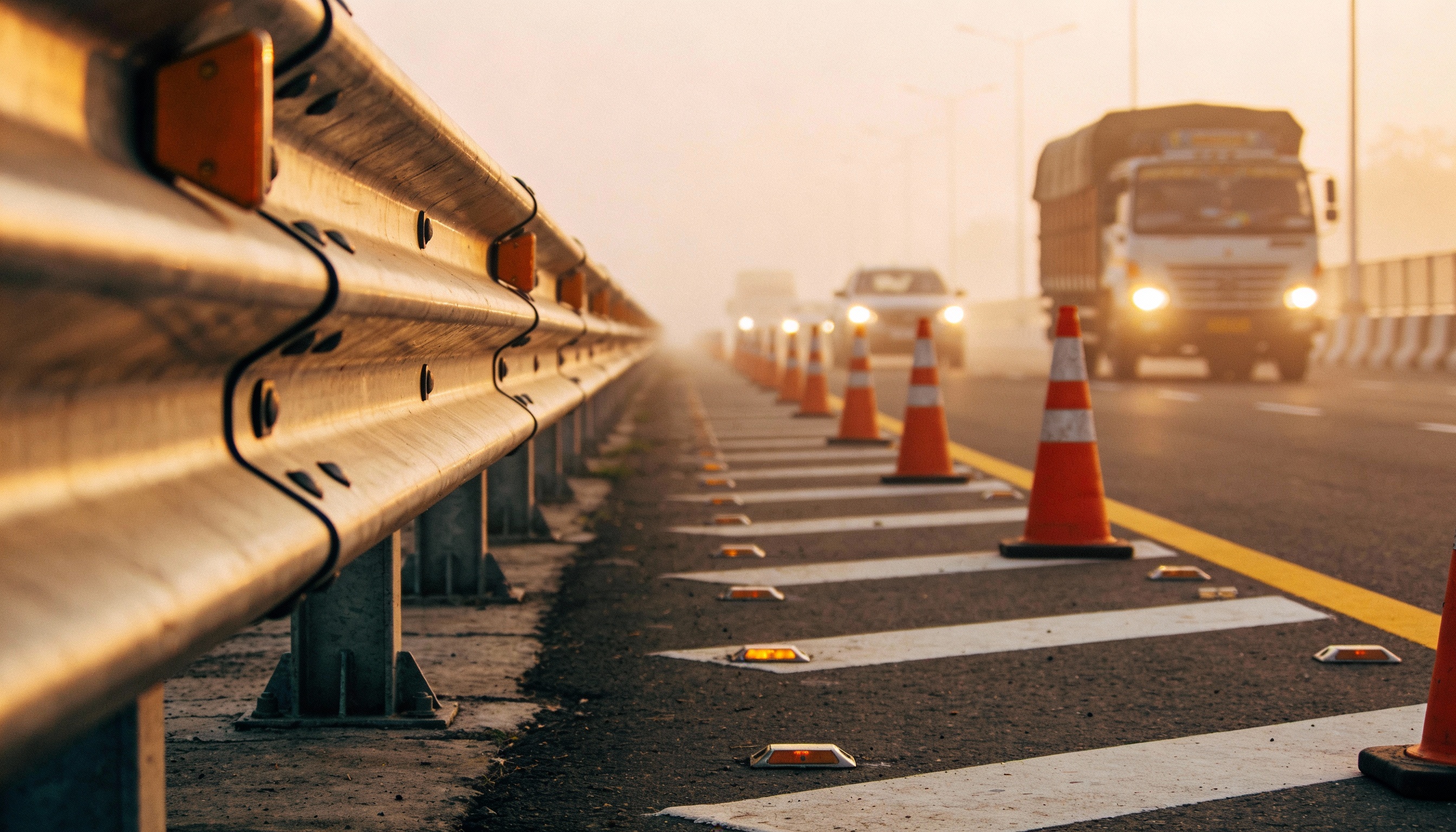
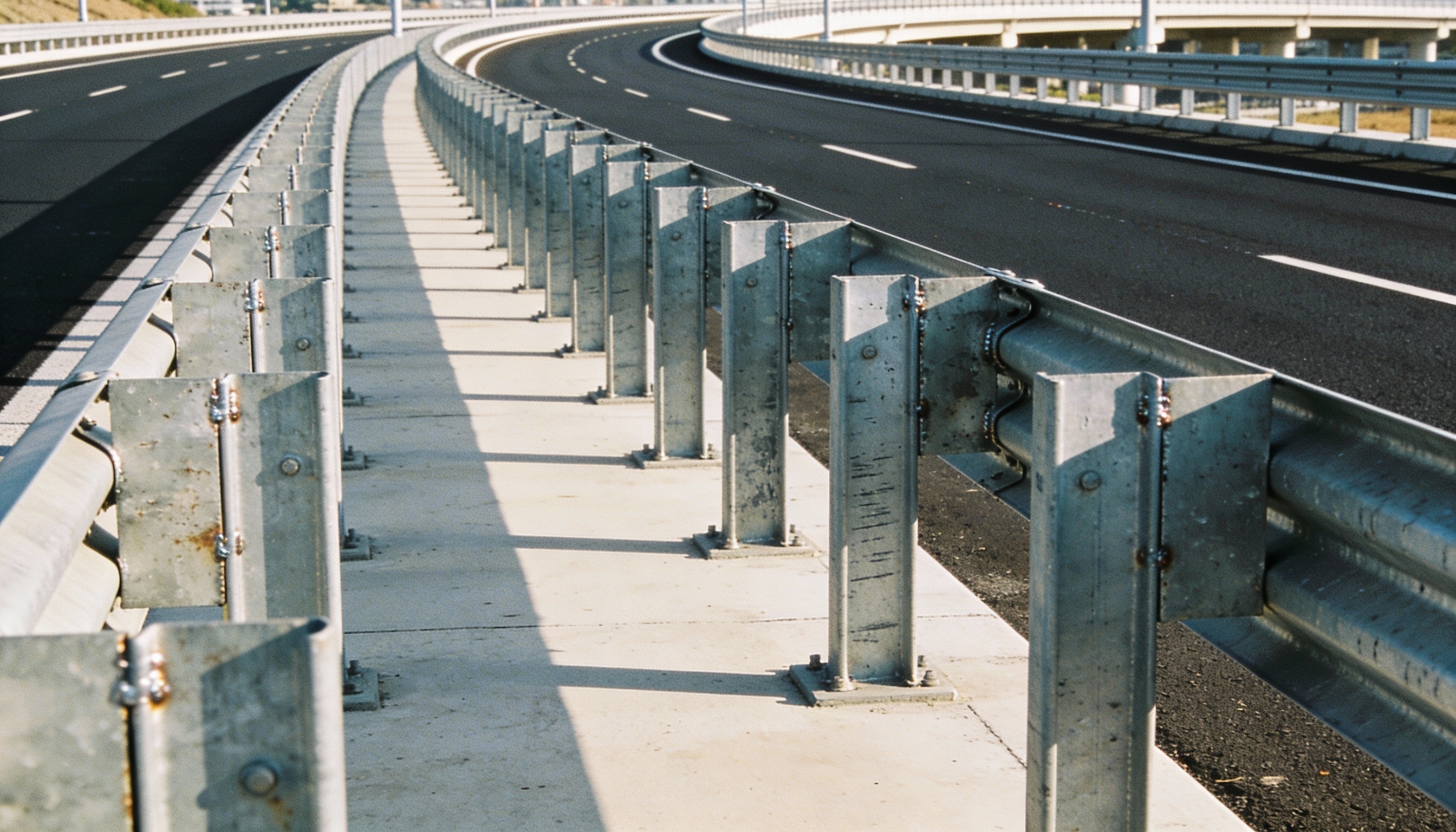
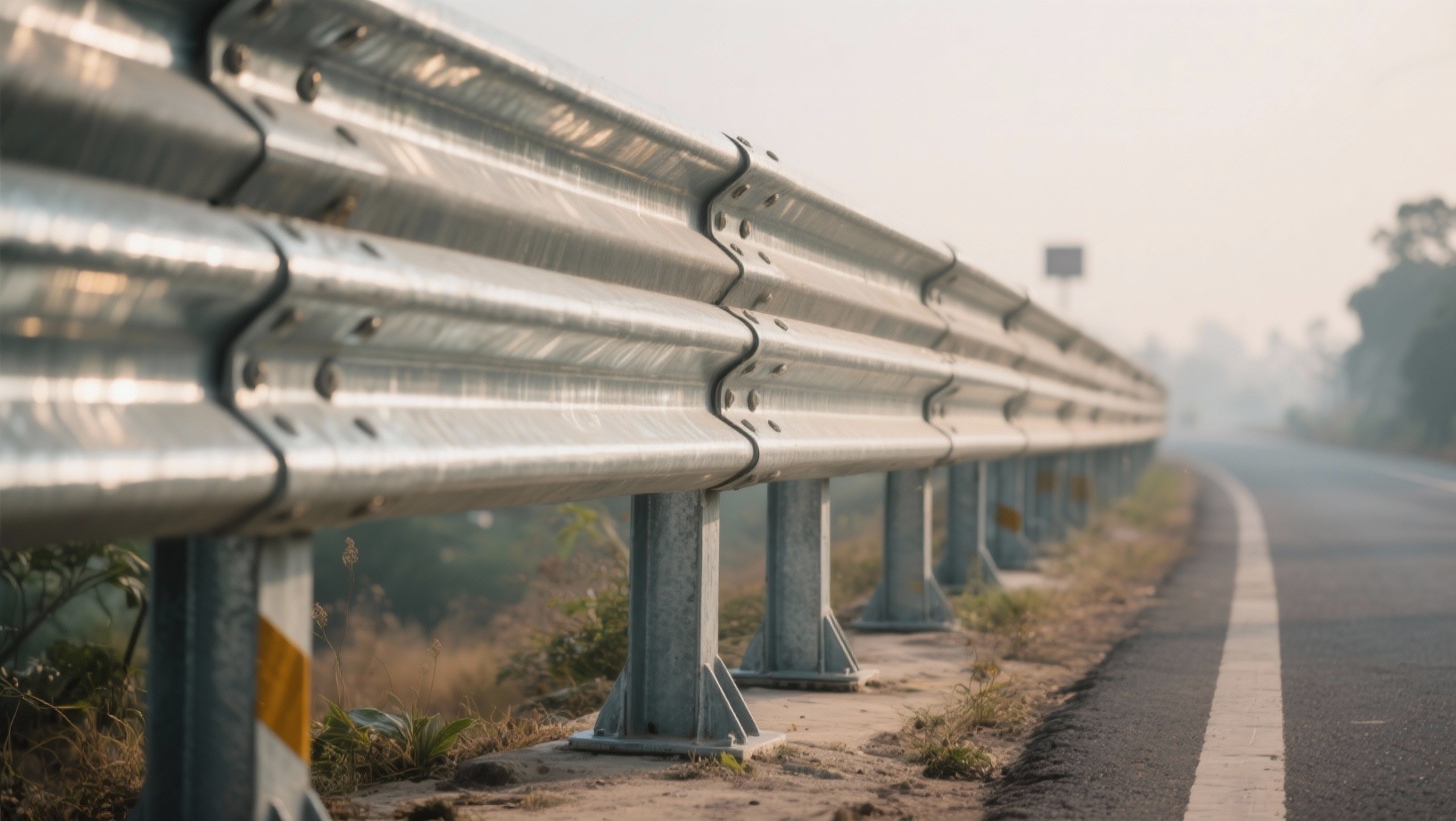
A Metal Crash Barrier works on an “Energy Absorption System" that gets deformed when a vehicle strikes. Its deformation is in a controlled manner. The barrier absorbs the kinetic energy of the striking vehicle, slowing down its speed. Also, it redirects the vehicle on the road in a subtle manner.
The need for road safety barriers has reached its zenith. Why? It is because of the fact that many new expressways and highways have opened for the public. Better infrastructure means greater speed and greater chances of accidents. When non-compliant barriers are installed on the roads, not only does the motive of stopping the vehicle fail, but also the barrier can make the vehicle flip, adding to the catastrophe.
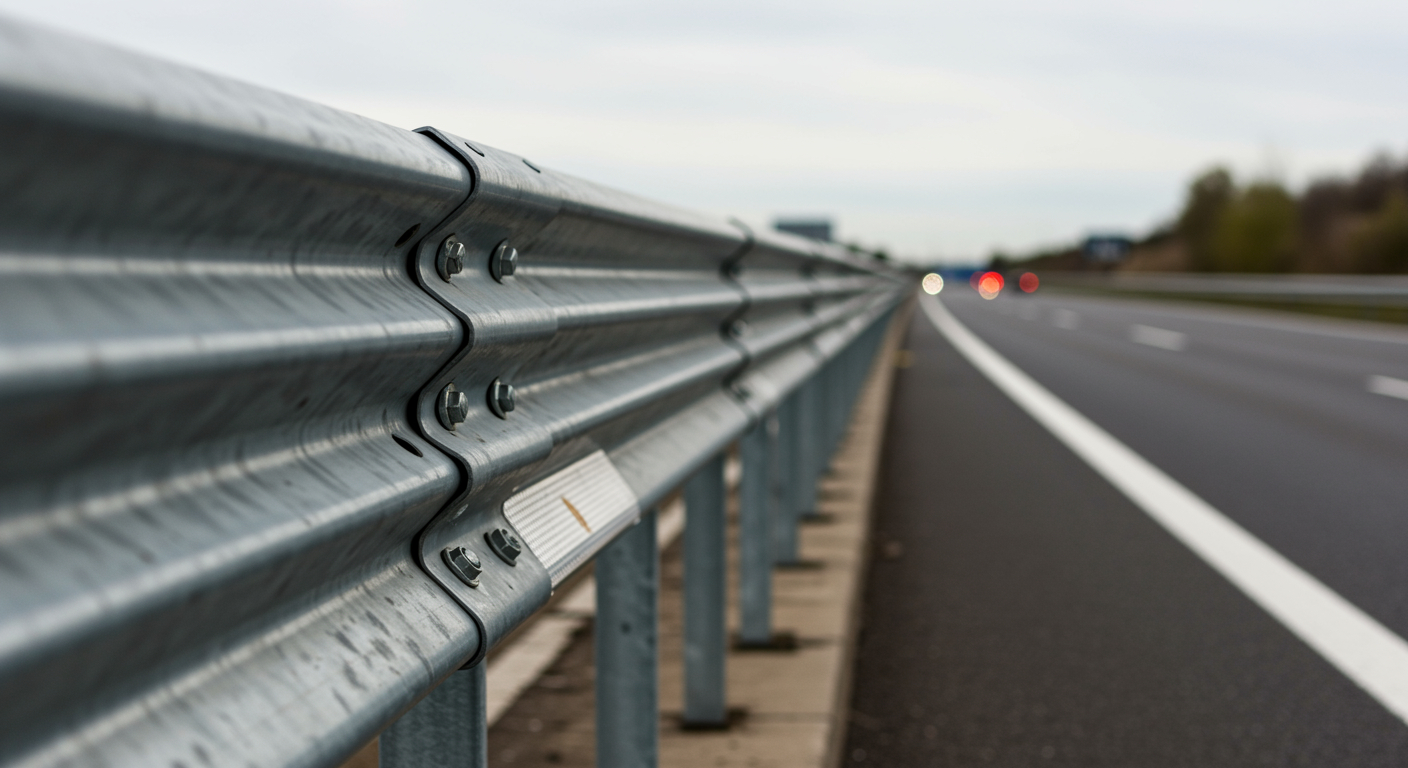
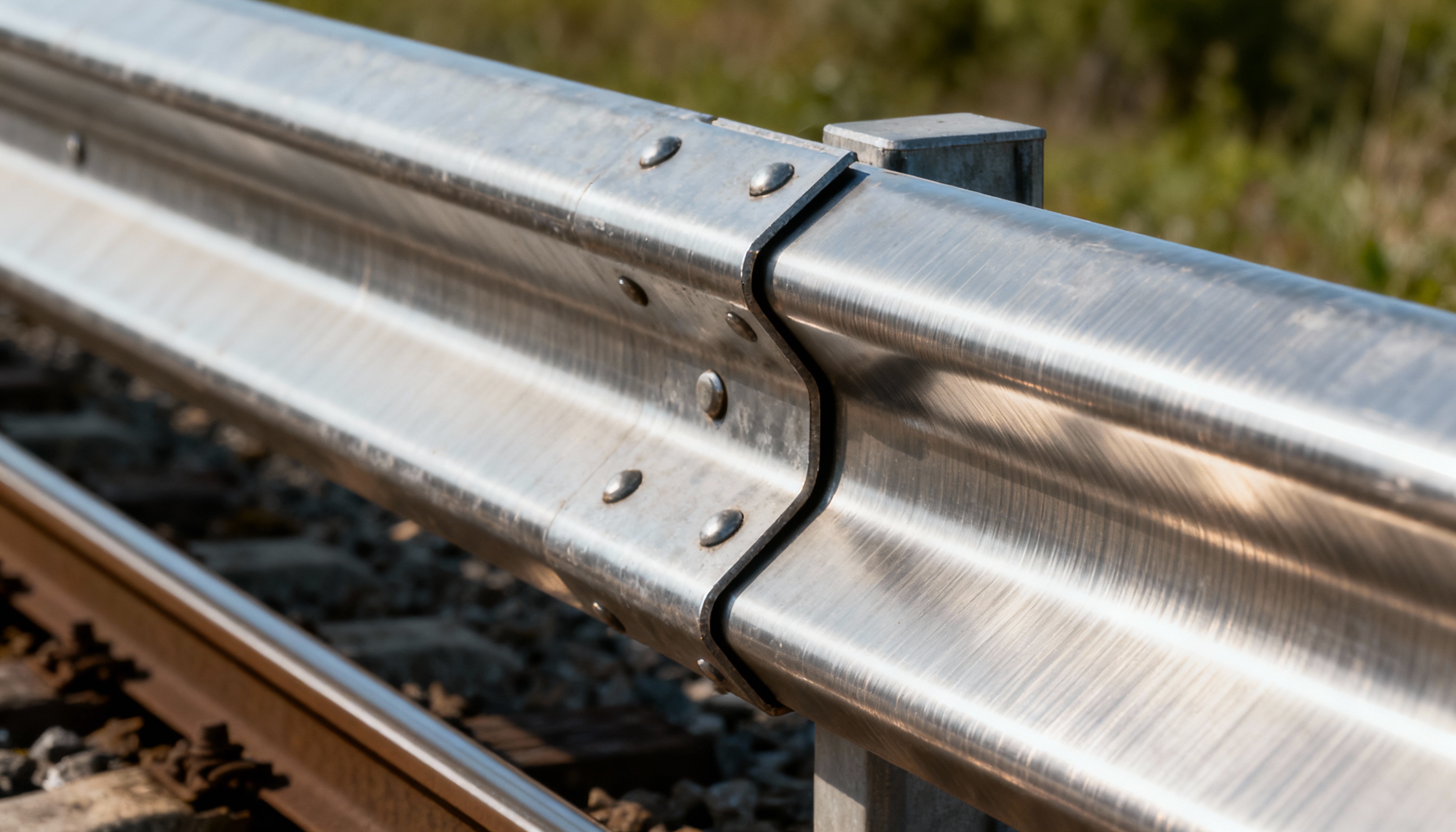
Fun Fact #1: The "W" in W Beam Metal Crash Barrier isn't just a random letter. It refers to the profile of the rail, which looks like a "W" when viewed from the side. This specific shape is mathematically optimized to provide maximum strength while using the minimum amount of steel.
W-Beam vs. Thrie Beam: Which One Do You Need?
MoRTH has categorized barriers based on the ask at hand. The two most used types of barriers are thrie-beam crash barriers and W-beam crash barriers.
1. The W-Beam (The Standard Workhorse)
INHs, or the Indian National Highways, use W-beams on a regular basis. It is used at places where the vehicles are mostly lightweight or passenger cars. Section 800 of MoRTH states that the thickness of the crash barrier remains at 3 mm. This is ideal for moderate impacts.
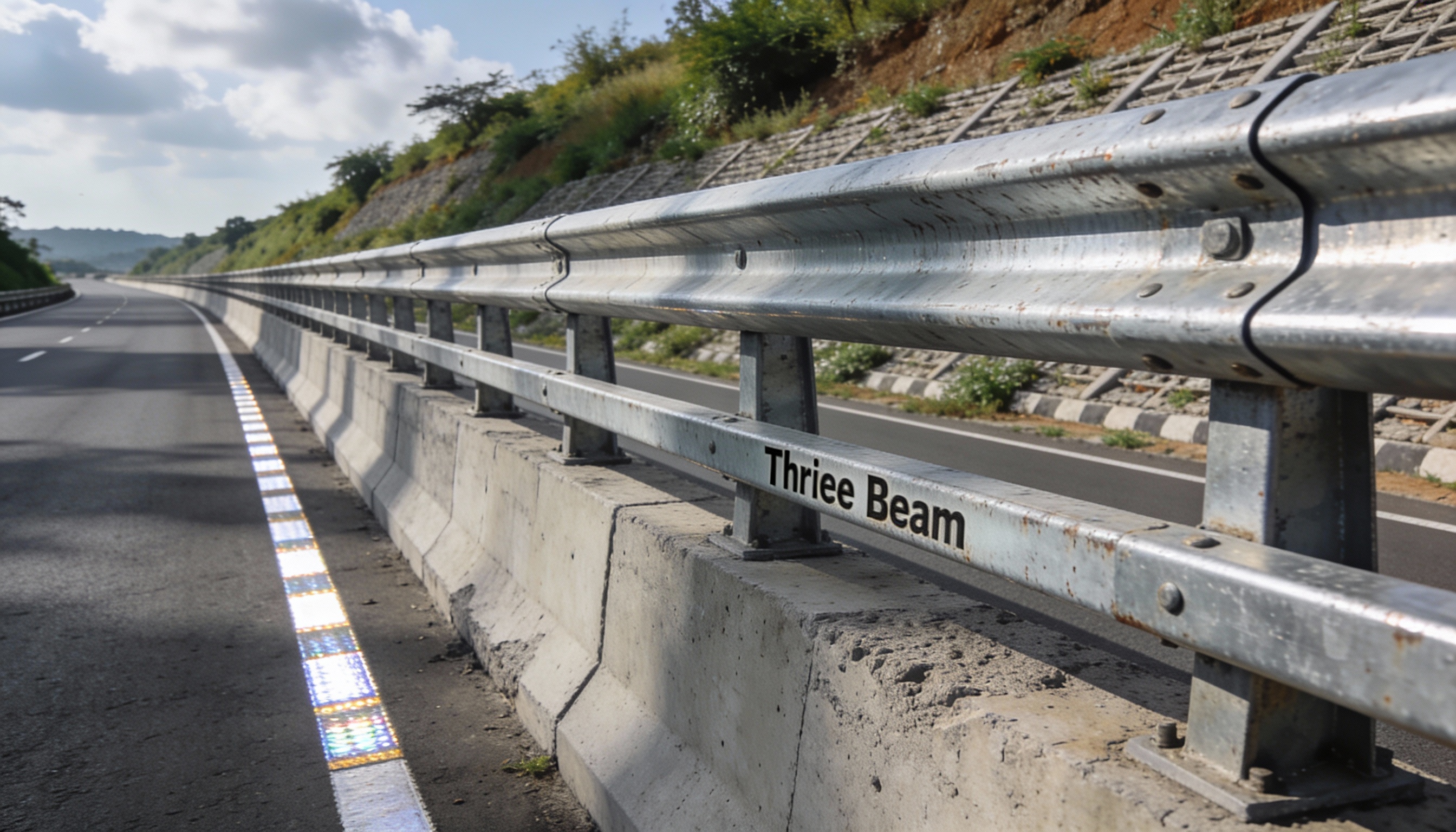
2. The Thrie Beam (The Heavy-Duty Guard)
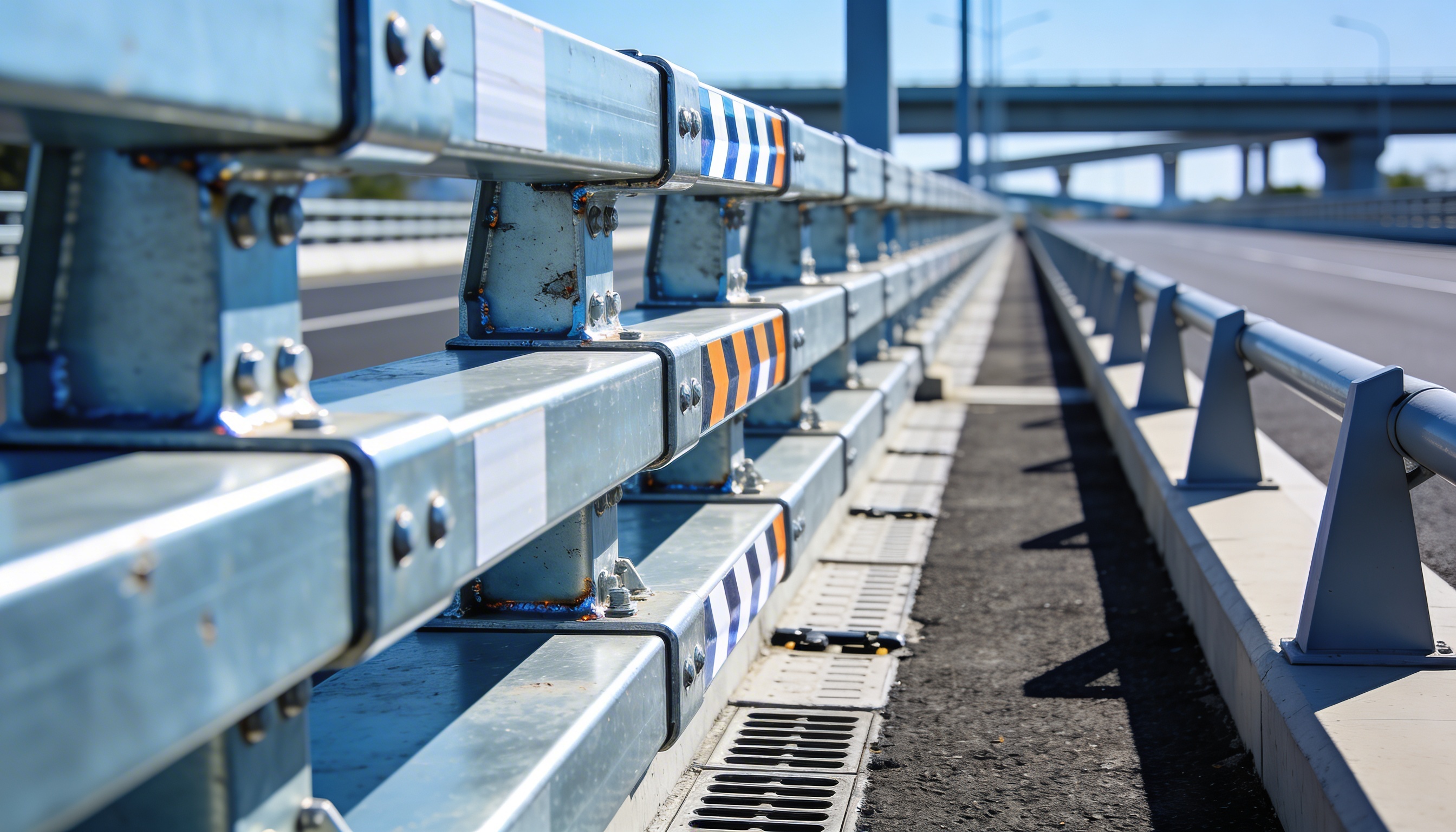
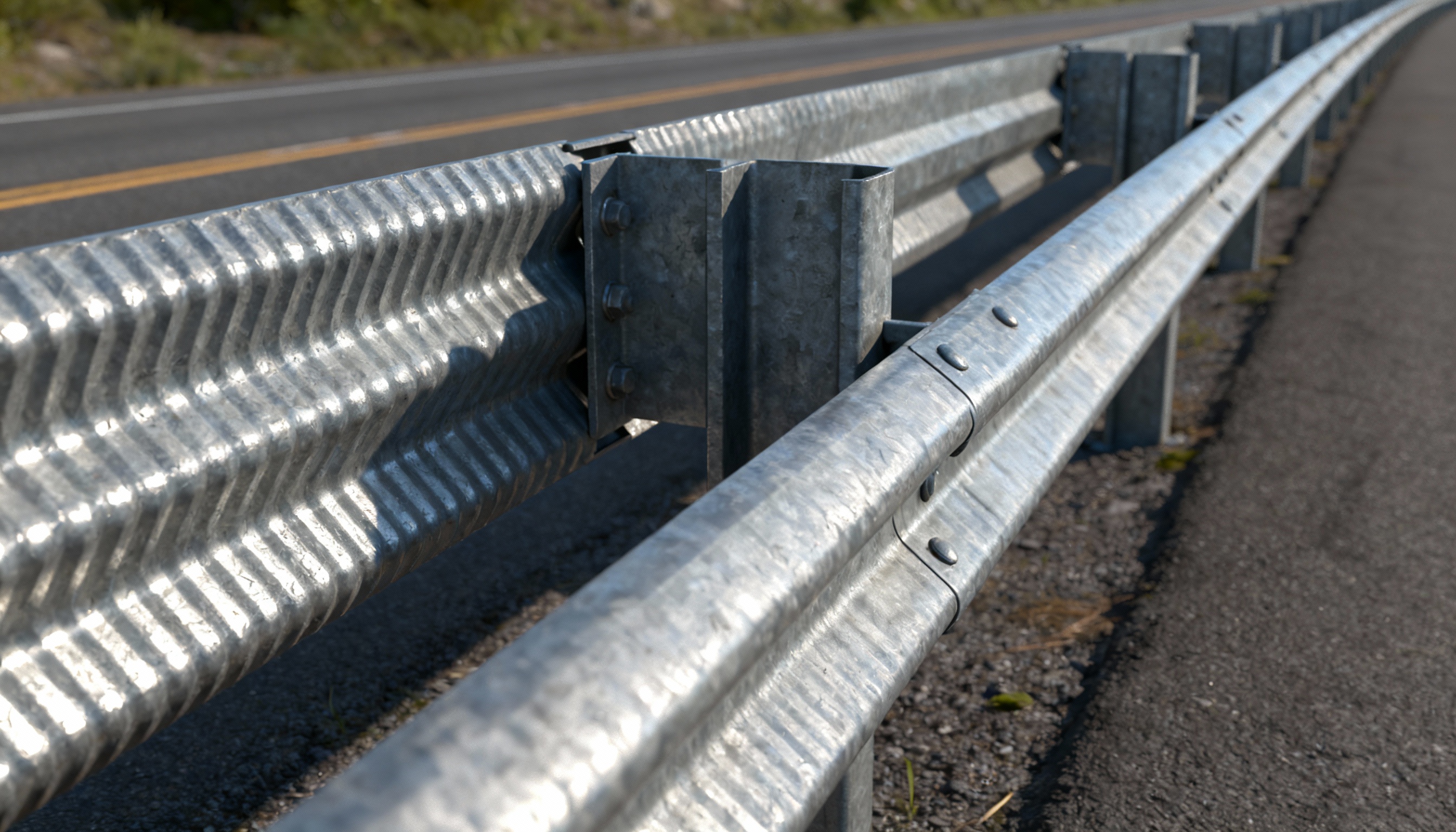
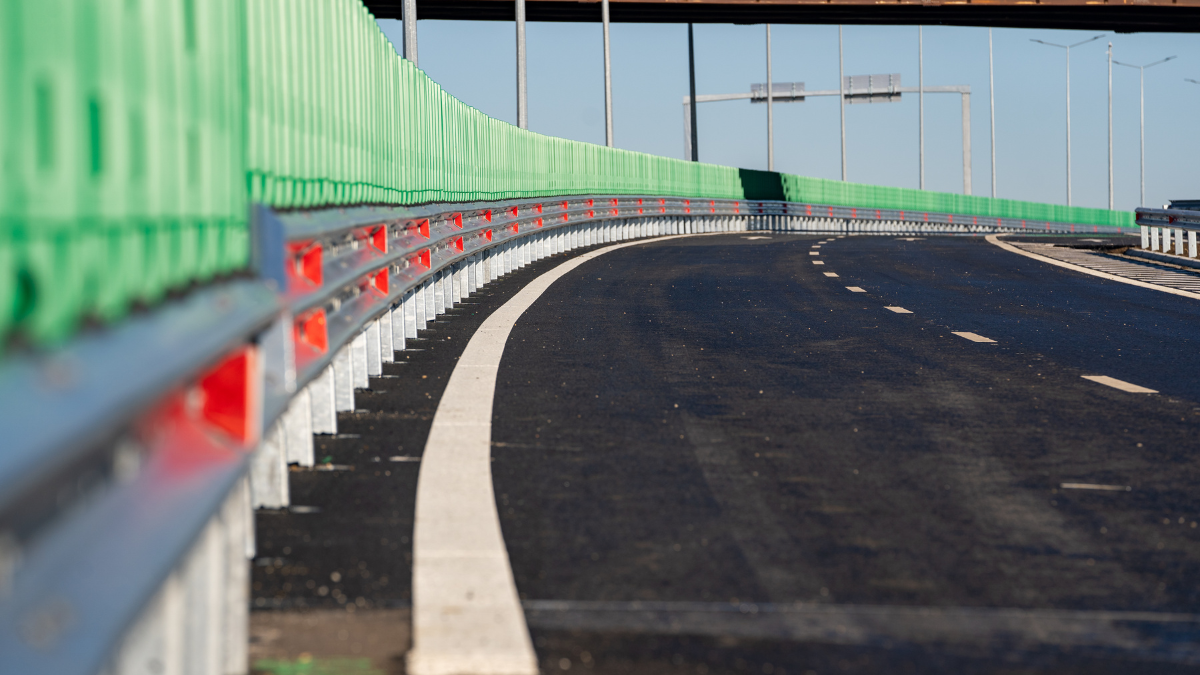
Thrie beam crash barriers are commonly installed on 6-lane and 8-lane motorways. They are stronger and taller compared to the W-beam barriers. They are used at high-speed zones and areas with heavy traffic. It restricts the movement of vehicles over W-beam barriers.
The "Golden Rules" of MoRTH Compliance in 2026
When connecting with a Crash Barrier Manufacturer for procurement, you must ensure 3 non-negotiable parameters.
A. Raw Material Grade
The steel used for construction must conform to IS-grade steel. This is done to ensure that the barrier is strong enough to withstand and flexible enough to deform to.
B. The Galvanization Standard
Road safety barriers in India should be compatible with India’s diverse climate conditions—from the humidity of Pune to the snow-laden mountains in the Parvati Valley. Corrosion resistance is vital here.
Fun Fact #2: Steel is one of the most recycled materials on Earth. Many of the Metal Crash Barrier systems installed on today’s roads contain recycled steel from old cars or demolished buildings, making road safety an accidentally "green" industry!
The Importance of Installation Geometry
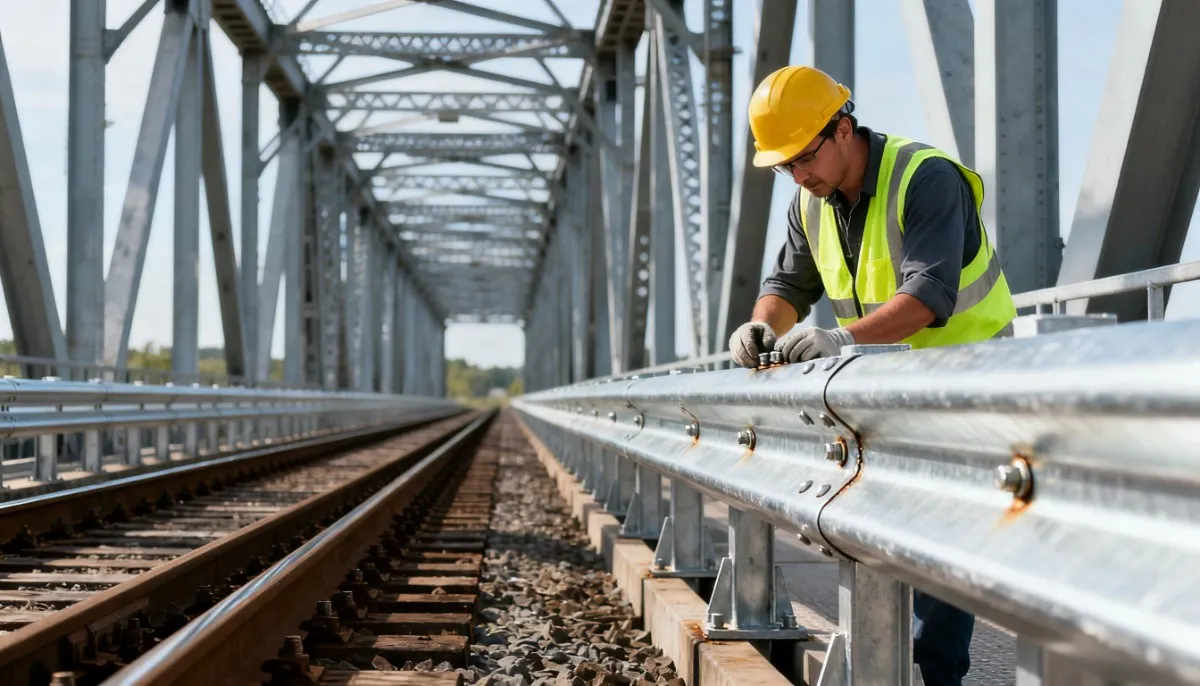
The job of the procurement manager does not stop at sourcing high-quality barriers. Proper installation is also necessary for effectiveness. MoRTH is very clear on how to use road rash barriers.
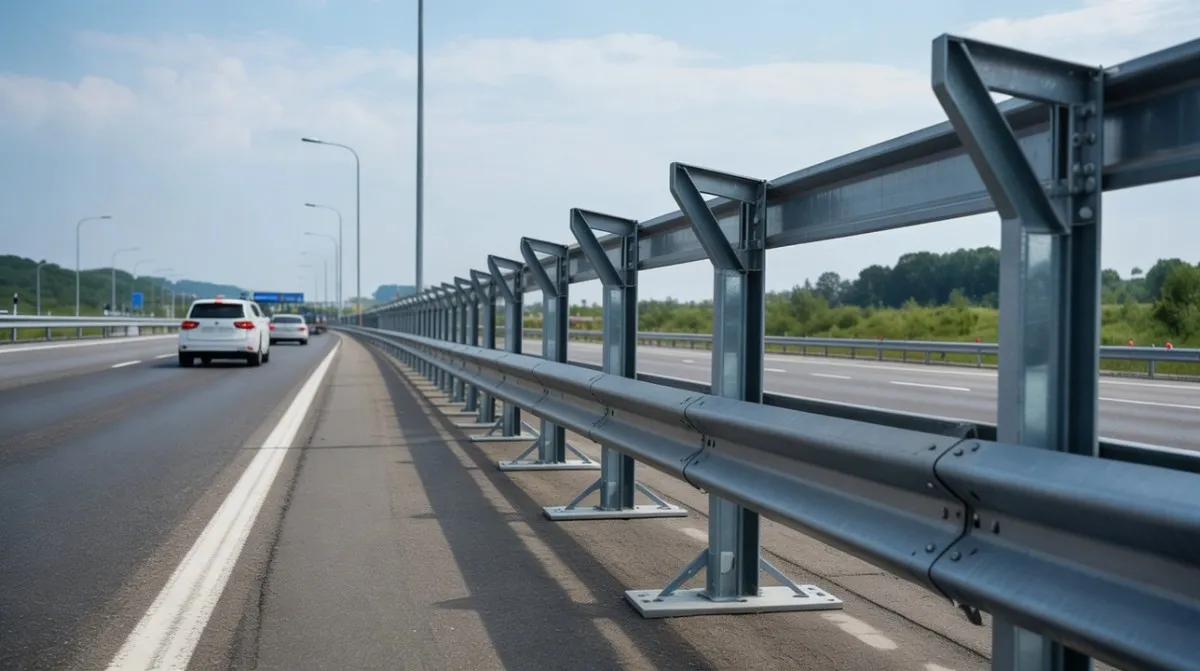
- Post Spacing: The basic distance between two posts is 2.0 meters, which is reduced to 1.0 meter in high-risk zones. This is done to make the barrier more sturdy.
- Mounting Height: The upper part of the W-beam should be between 700 mm and 750 mm above the road level. In the case of low height, the vehicle might cross over the barrier. If the height is high, small vehicles might slide under it.
- End Terminals: The “End Terminals” of the barriers should have energy-absorbing cushions. They help keep the barriers from piercing into the vehicle.
The Regional Challenge: High-Altitude Road Safety
In high altitudes, like the Himalayas and other mountainous regions, installing crash barriers is a bit of a task. This is due to the fact that the soil at such places is often not “fixed”. Also, the curves are too sharp in such regions.
The Solution: MoRTH often recommends "stiffened" barriers here, where posts are driven deeper into the ground, and "back-up plates" are used behind the rail to prevent the bolts from pulling through the steel during a crash.
Fun Fact #3: Some modern road safety barriers are now being tested with "rolling barriers"—yellow plastic rollers that actually spin when hit, converting the forward impact energy into rotational energy to "spin" the car back onto the road safely.
Economic Impact: ROI of High-Quality Barriers
When looking at the PSA oxygen plant price or the cost of medical equipment, we often talk about saving lives. Metal barriers are the "preventative medicine" of the road. While a low-quality metal crash barrier might be cheaper upfront, the cost of replacement after a minor nudge, the legal liabilities of a failed safety system, and the tragic loss of human life make "cheap" barriers a massive financial risk for contractors. A MoRTH-compliant system is an investment that pays for itself by reducing maintenance and ensuring project approval from government auditors.
FAQs for Procurement Managers
1. Can we use W-Beams on bridges?
Usually, MoRTH recommends a Thrie Beam Crash Barrier or reinforced concrete crash barriers for bridges to provide higher containment. These barriers are sturdier and absorb the impact of even fast-moving vehicles.
2. How do we verify the galvanization quality?
Request a "Zinc Coating Thickness Report" from the manufacturer. Compliance requires a minimum of 550 g/m², which equates to roughly 80-85 microns of thickness.
3. What is the lifespan of a galvanized barrier?
In standard Indian conditions, a properly galvanized barrier can last 20 to 25 years without significant structural rusting.
4. Which is the best platform for metal beam crash barriers?
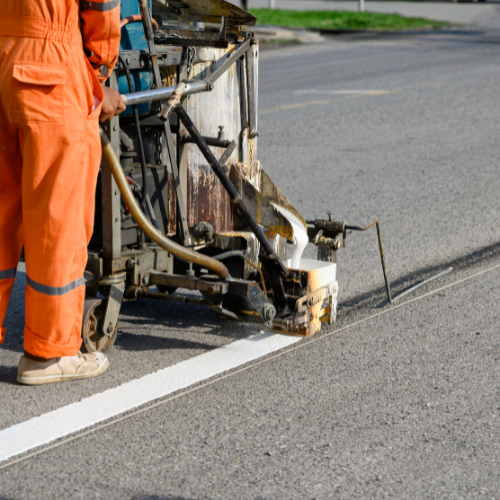
Tread Safe is one of the most respected platforms for metal beam crash barriers. The brand is also known for providing the best quality guardrails, reflective road marking paint, road safety equipment, etc. Contact them today for further information.
5. Are metal beam crash barriers expensive?
Firsty, no, metal beam crash barriers are not expensive. Secondly, even if premium quality barriers are a bit more expensive than the rest, they give a good ROI because apart from saving lives, they do not need to be replaced for a long time due to their quality.
Ready to Partner with the Right Manufacturer?
Choosing a crash barrier manufacturer is one of the most vital decisions that lead to safeguarding human life on the road. By following the MoRTH compliance in relation to the W metal beam crash barriers, the investors can ensure that their duty in terms of installing the correct equipment in a correct way gets fulfilled. Another benefit is the excellent ROI that these road crash barriers provide.
For more details, Contact Us Today.
- MARCH 12, 2026
- By Admin
- MARCH 12, 2026
- By Admin
- MARCH 12, 2026
- By Admin
- MARCH 12, 2026
- By Admin
- MARCH 12, 2026
- By Admin
- MARCH 12, 2026
- By Admin
- MARCH 12, 2026
- By Admin
- MARCH 12, 2026
- By Admin
- MARCH 12, 2026
- By Admin
- MARCH 12, 2026
- By Admin
- MARCH 12, 2026
- By Admin
- MARCH 12, 2026
- By Admin
- MARCH 12, 2026
- By Admin

- MARCH 12, 2026
- By Admin

- MARCH 12, 2026
- By Admin
- MARCH 12, 2026
- By Admin
- MARCH 12, 2026
- By Admin
- MARCH 12, 2026
- By Admin
- MARCH 12, 2026
- By Admin
- MARCH 12, 2026
- By Admin

- MARCH 12, 2026
- By Admin
- MARCH 12, 2026
- By Admin
- MARCH 12, 2026
- By Admin

- MARCH 12, 2026
- By Admin