

Thermoplastic Road Marking Paint for Monsoon Safety
- MARCH 03, 2026
- By Admin
Here is an interesting fact about road markings.
The first road markings date back to the Roman Empire, when white stones were used as road markings.
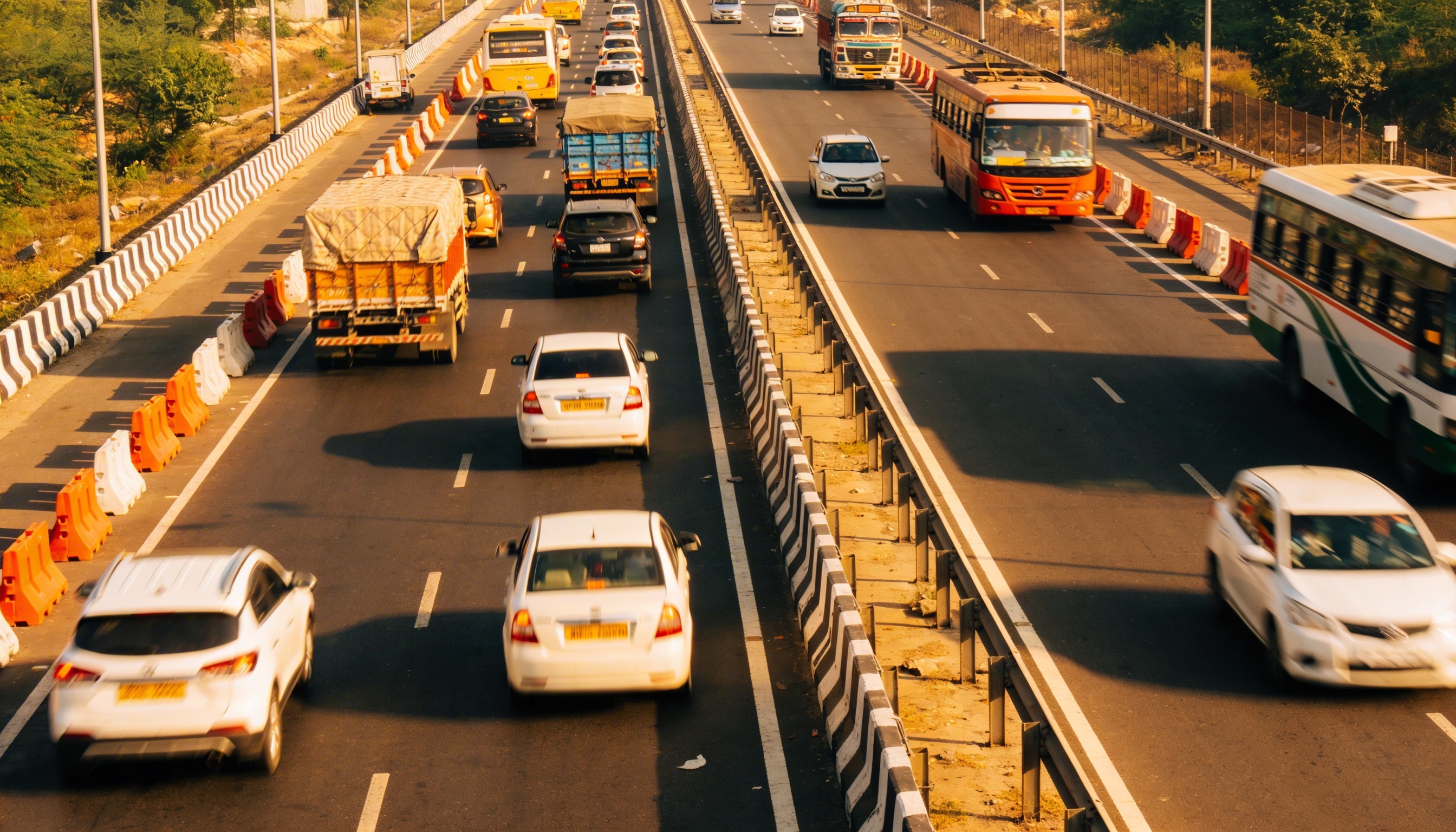
With the first cloud of the season accumulating over the Arabian Sea, the enchanting smell of earthiness fills the nostrils, and India prepares for the much-awaited monsoon. The season is welcomed with open arms, but with it comes the challenging phase for Indian roads. Why our newly built roads develop potholes just after the first rainfall is a topic for another blog, but how we can take adequate measures to reduce the number of accidents happening on the road in the monsoon season is a topic for this very blog.
For contractors, “monsoon proofing” is not just a term used for road maintenance but forms a vital measure to ensure the maximum number of lives can be saved on the road.
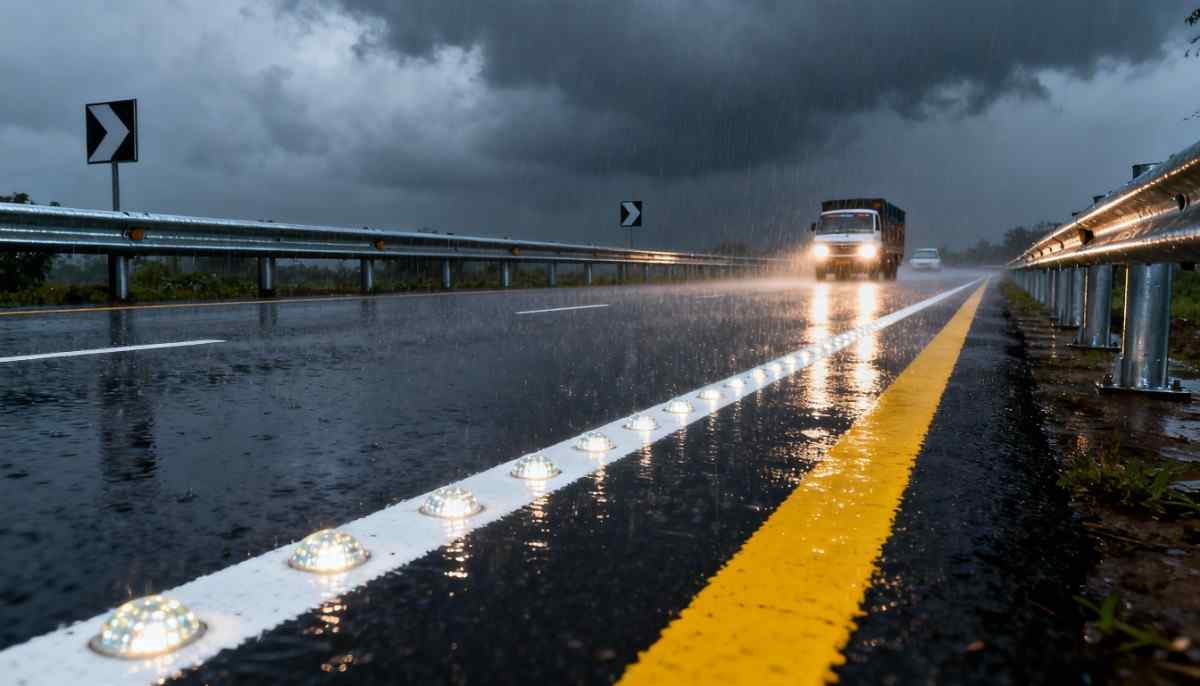
During heavy downpours, there is no clear visibility on the road, and friction—the most important feature that holds the vehicles on the road—becomes weak. It is here that thermoplastic road paint comes into existence.
The Invisible Threat: Why Rain Changes Everything
The importance of high visibility markings can be established during situations where even a small amount of rain creates a smooth layer. causing vehicles to slip or wander off in the absence of friction
Here is data from MoRTH (Ministry of Road Transport and Highways). It says that at specific locations, there is an increase of 10-15% in fatalities during the monsoon season. These reasons call for investing in quality paint making. Thermoplastic Road Marking Paint Price should not be an issue, as saving lives is far more important than saving some money.
Benefits of Choosing Thermoplastic Paints
Although the main benefit of these paints is to increase visibility, we have put a couple of them down here.
1. Anti-slip Thermoplastic Paint
Whereas the usual paint does nothing else but sit on the road, Thermoplastic Road Paint bonds with it. Respectable and trusted Road Marking Paint Manufacturers use high-friction aggregates in the paints. Aggregates ensure that even in the face of heavy rainfall, there is no slip on the road.
Did you know?
The Glass Bead Magic: Did you know that the "glow" of road lines isn't from the paint itself? It comes from millions of microscopic glass beads that act like tiny mirrors.
2. High-Visibility Thermoplastic Paint
Standard markings lose visibility when the sky turns grey, even in the afternoons. When the sky turns grey at 1:00 PM, standard markings disappear. High-visibility marking paint ensures that the visibility remains intact even in such situations. The aggregates present in the paint reflect the vehicle’s beam directly to the eyes of the driver.
Did you know?
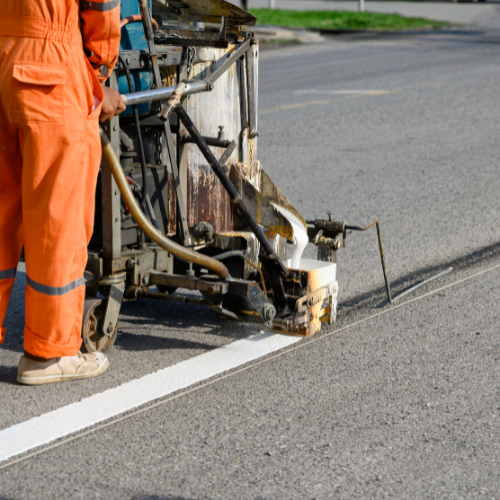
Born in the Heat: Thermoplastic paint is applied at temperatures between 180°C and 200°C. It literally melts into the pores of the road for a permanent grip.
The Economics of Safety: Understanding Costs
The actual value of thermoplastic road marking paint price lies in the durability it provides. Inexpensive paints might wear off just after the first rainfall, increasing maintenance prices and, with it, the risk of accidents. A premium thermoplastic marking paint can last for up to 5 years; that means 5 monsoons!
Comparison: Standard Paint vs. Professional Thermoplastic Markings
Let us look at the following comparison.
| Feature | Standard Cold Paint | Thermoplastic Marking Paint |
|---|---|---|
| Durability | 3–6 Months | 3–5 Years |
| Drying Time | 2–4 Hours | 2–5 Minutes (Track-free) |
| Night Visibility | Low (unless beads added) | High (Integrated Glass Beads) |
| Monsoon Resistance | Poor (Prone to flaking) | Excellent (Thermal bond) |
| Skid Resistance | Minimal | High (Anti-skid additives) |
The Role of Reflective Signage
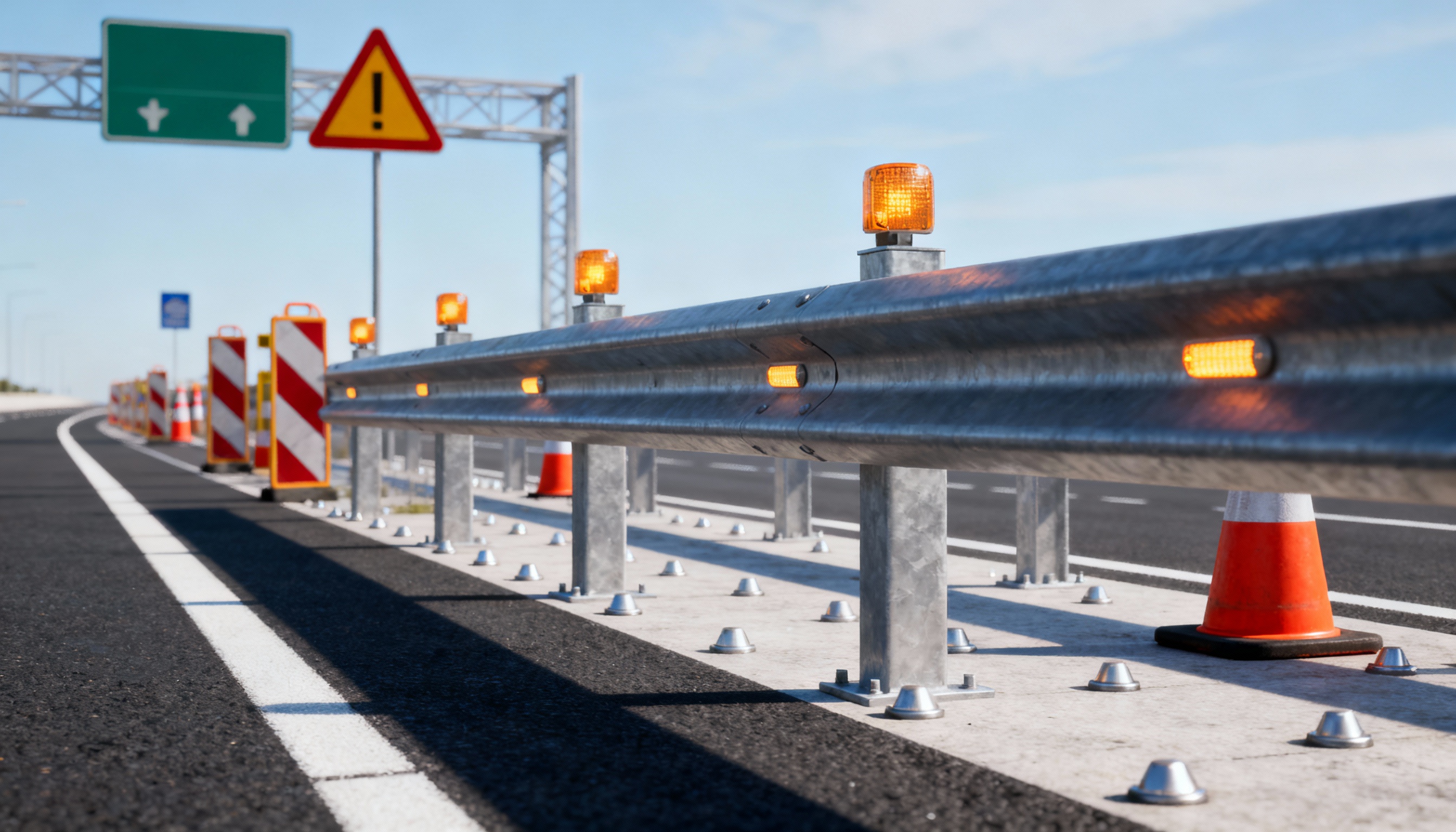
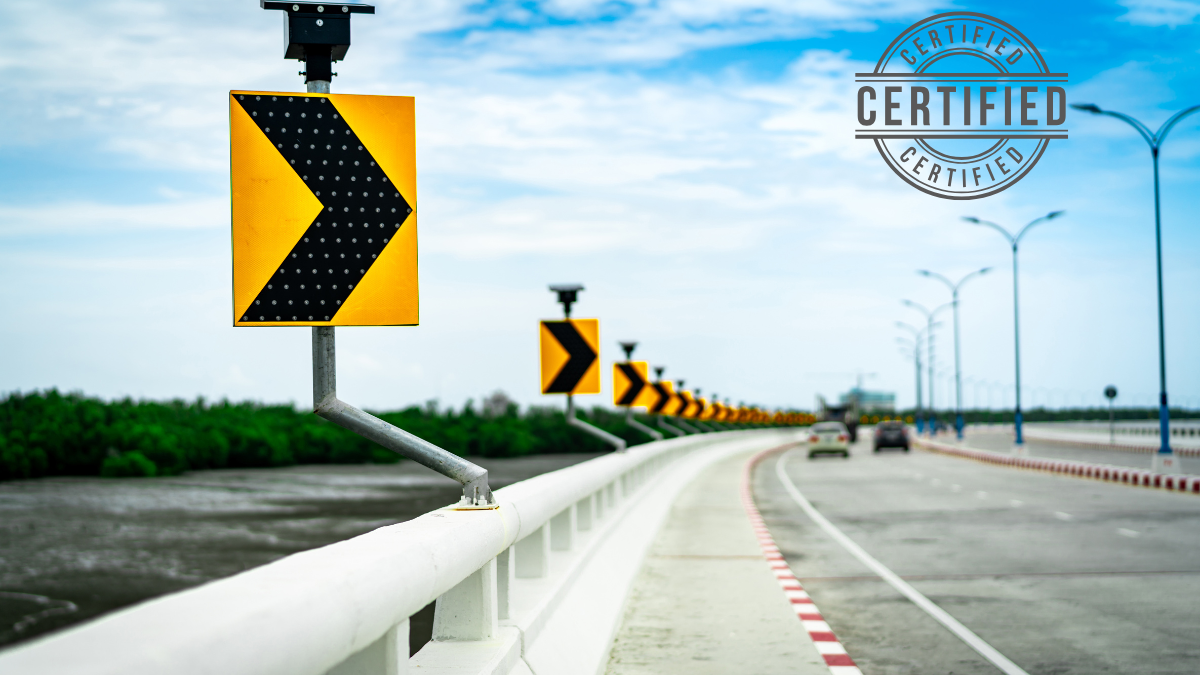
When, on one hand, reflective paints are important for their reflexive properties, reflective signage helps drivers and riders to be prepared from far away. Reflective signage should serve its purpose by letting the drivers get warned from 250 meters away. If you are a procurement manager, ensure that you invest in high-quality reflective signage.
Why "Pre-Monsoon" Is the Only Window!
You should never wait for monsoon to put reflective paints on the road. Thermoplastic road paint cannot be applied on a wet surface. All the highways and flyovers should be taken care of before the arrival of the monsoon.
Beyond the Paint: A Holistic Approach
Monsoon proofing isn't just about the lines. It’s about a system:
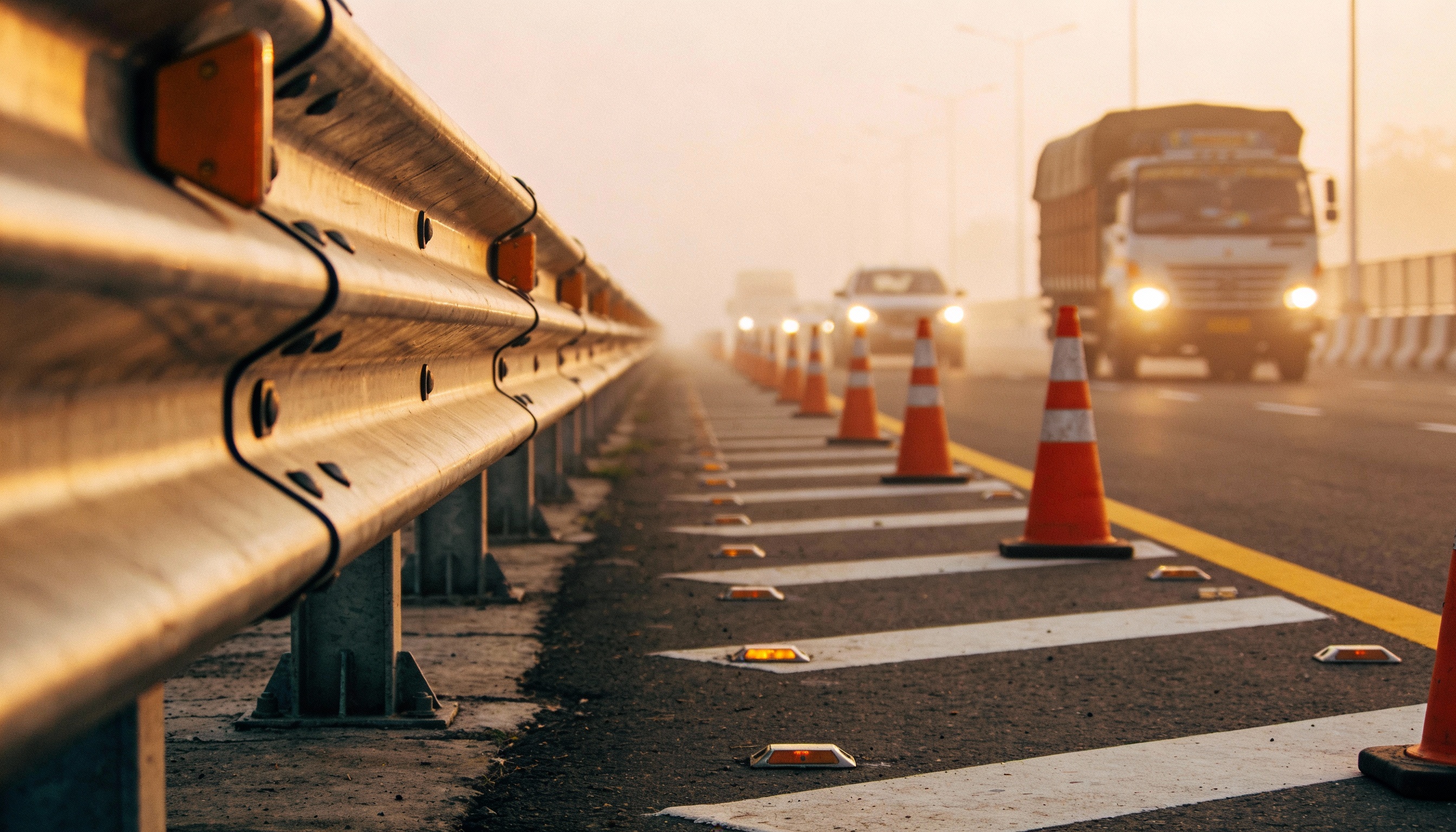
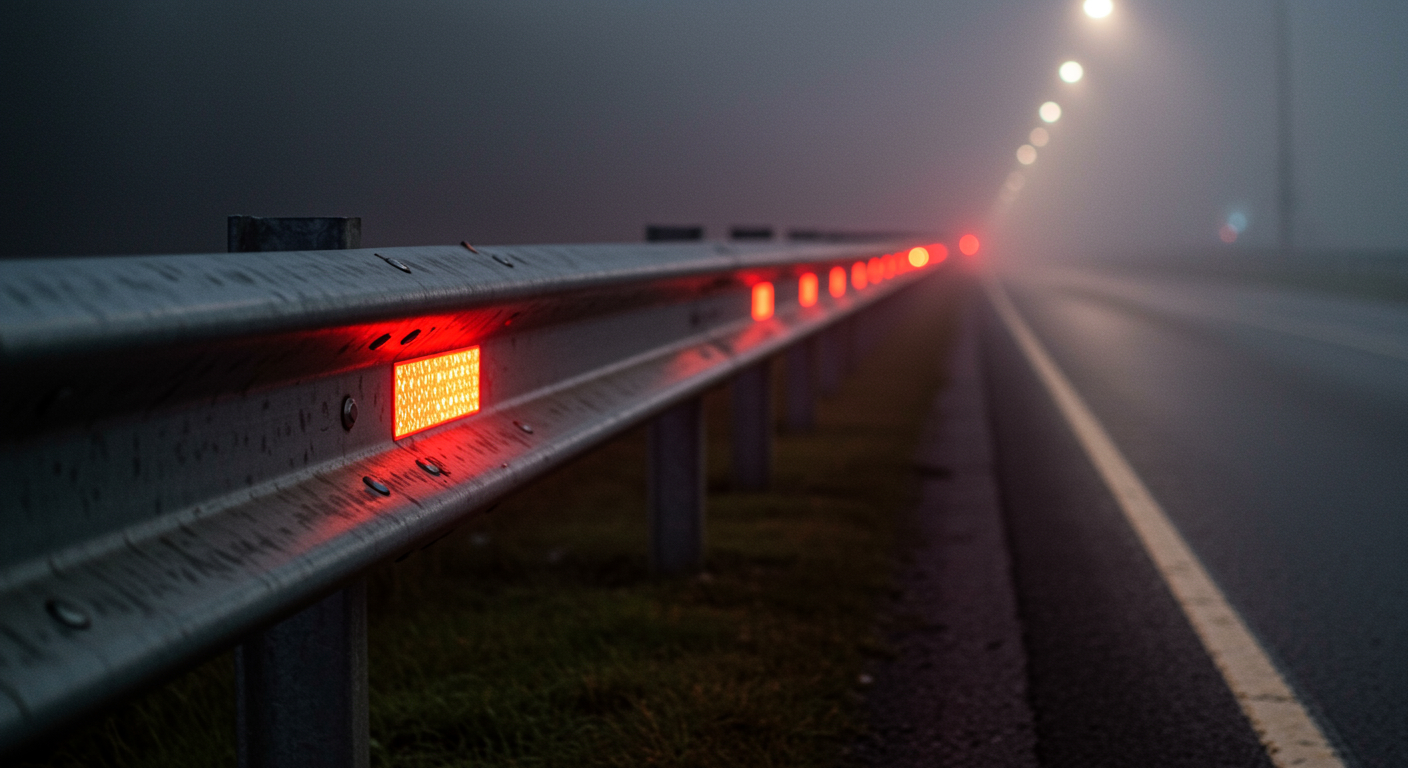
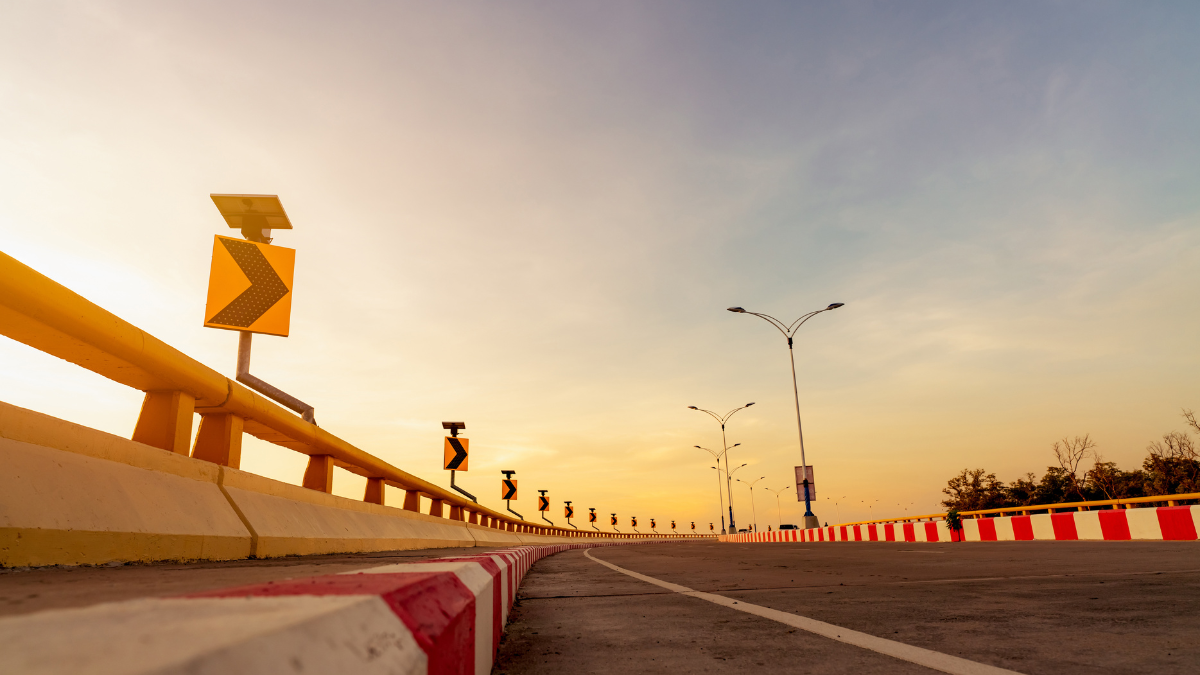
- Delineators: These high-visibility markings assist the drivers in recognizing curves present on the road.
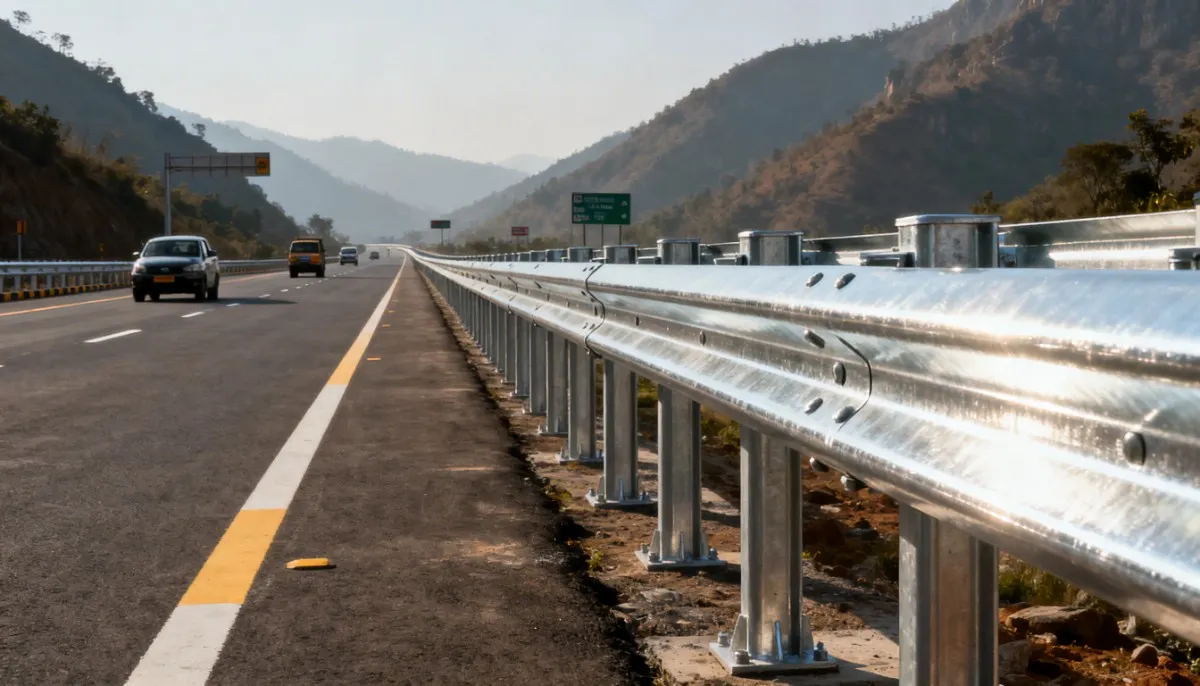
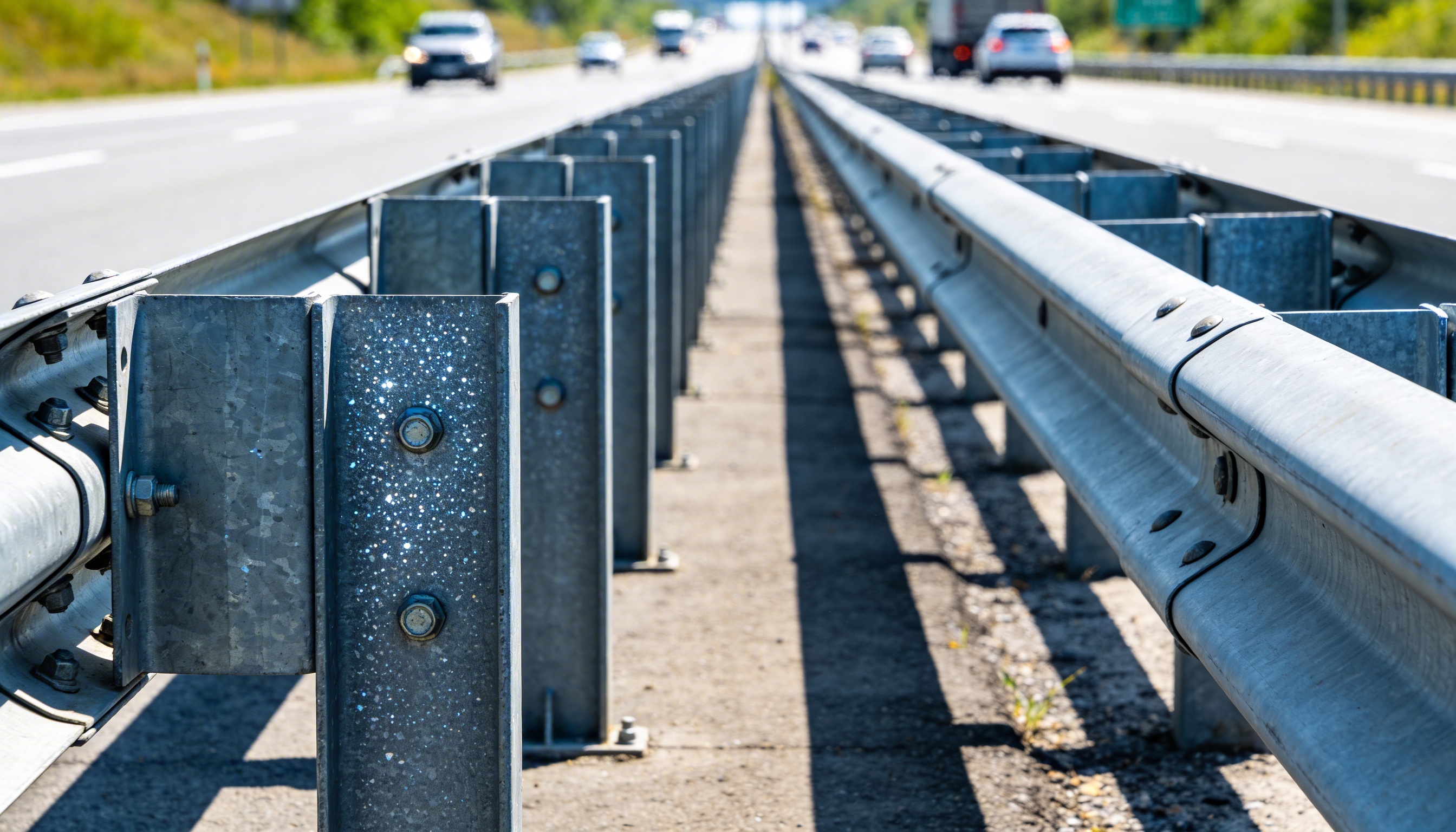
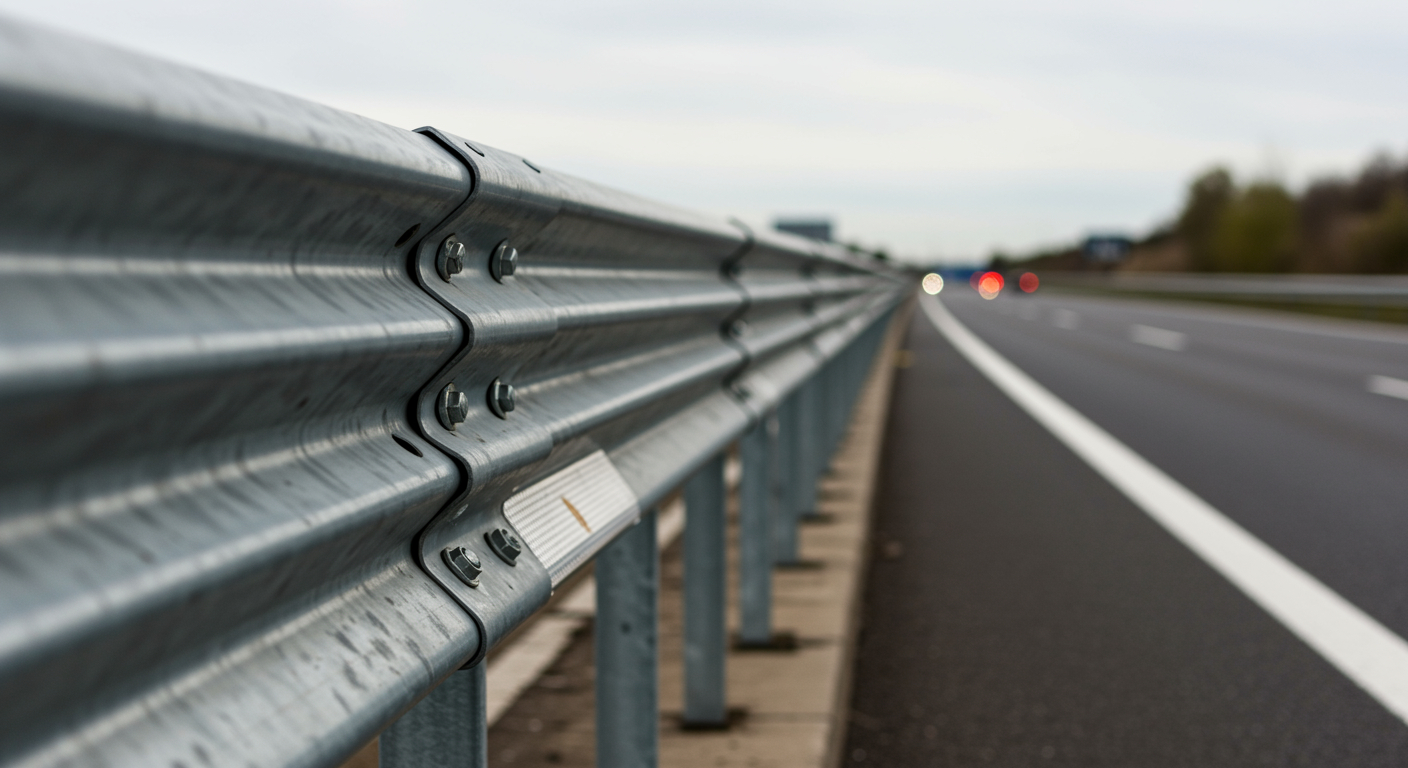
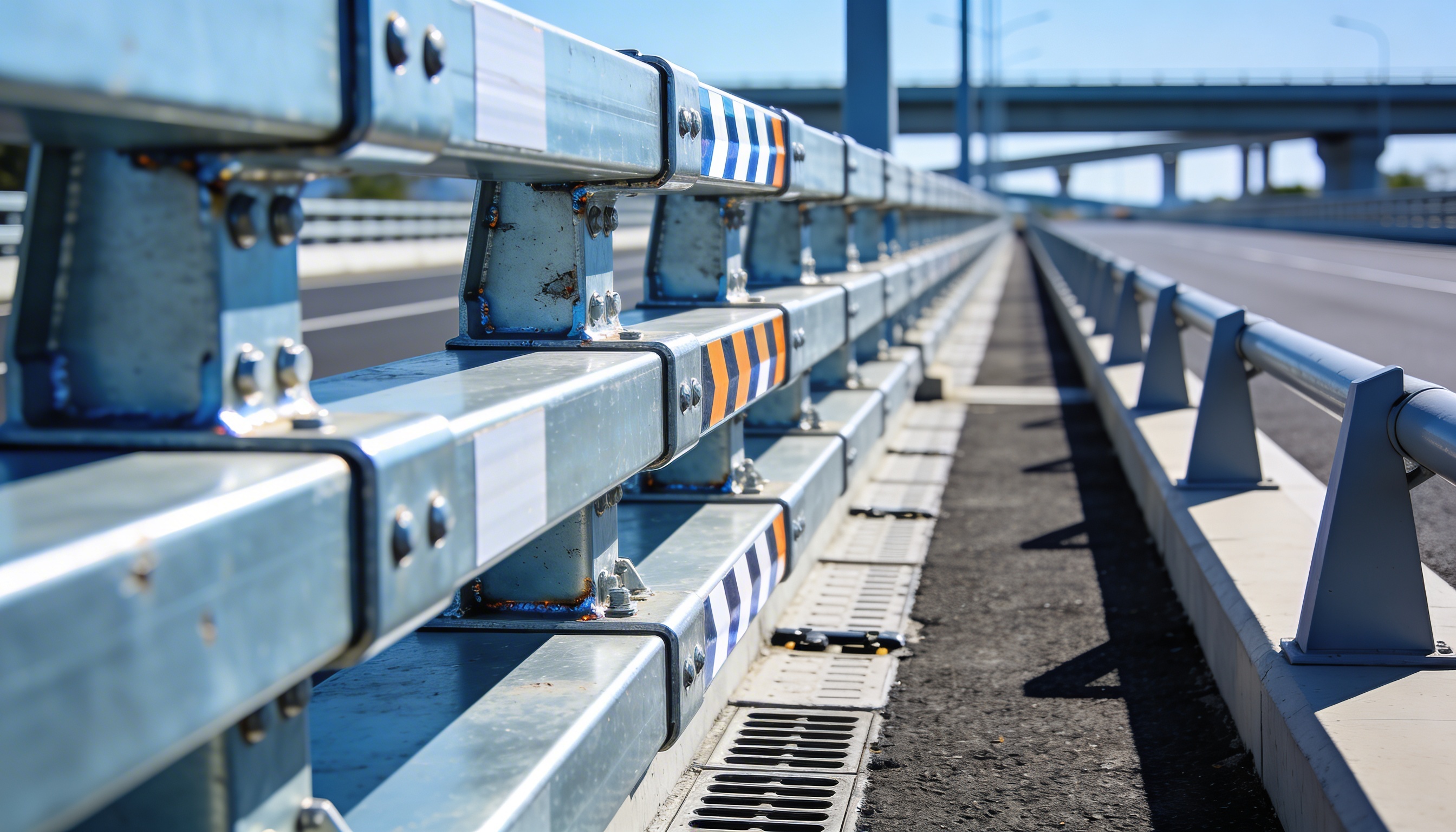
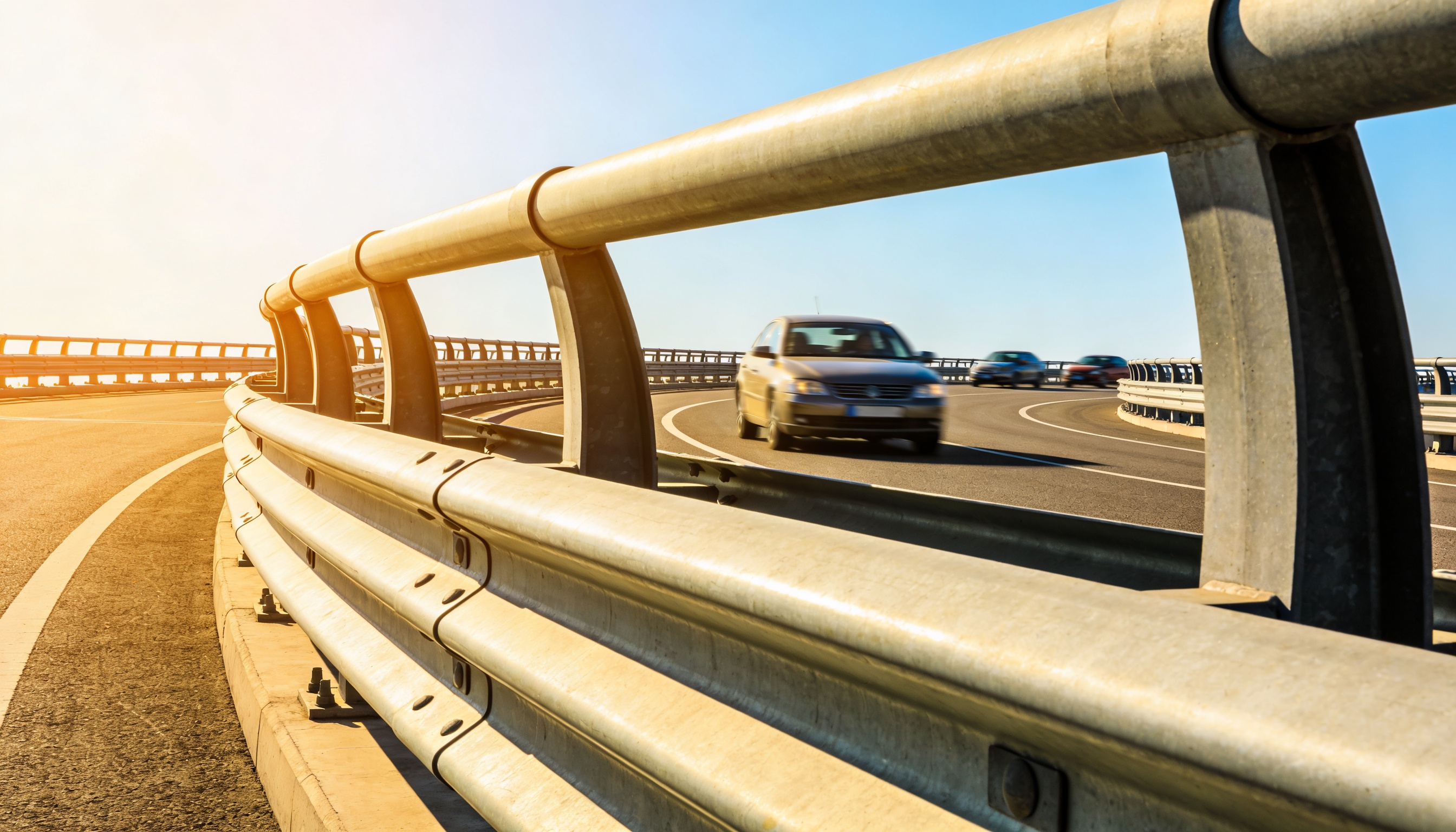
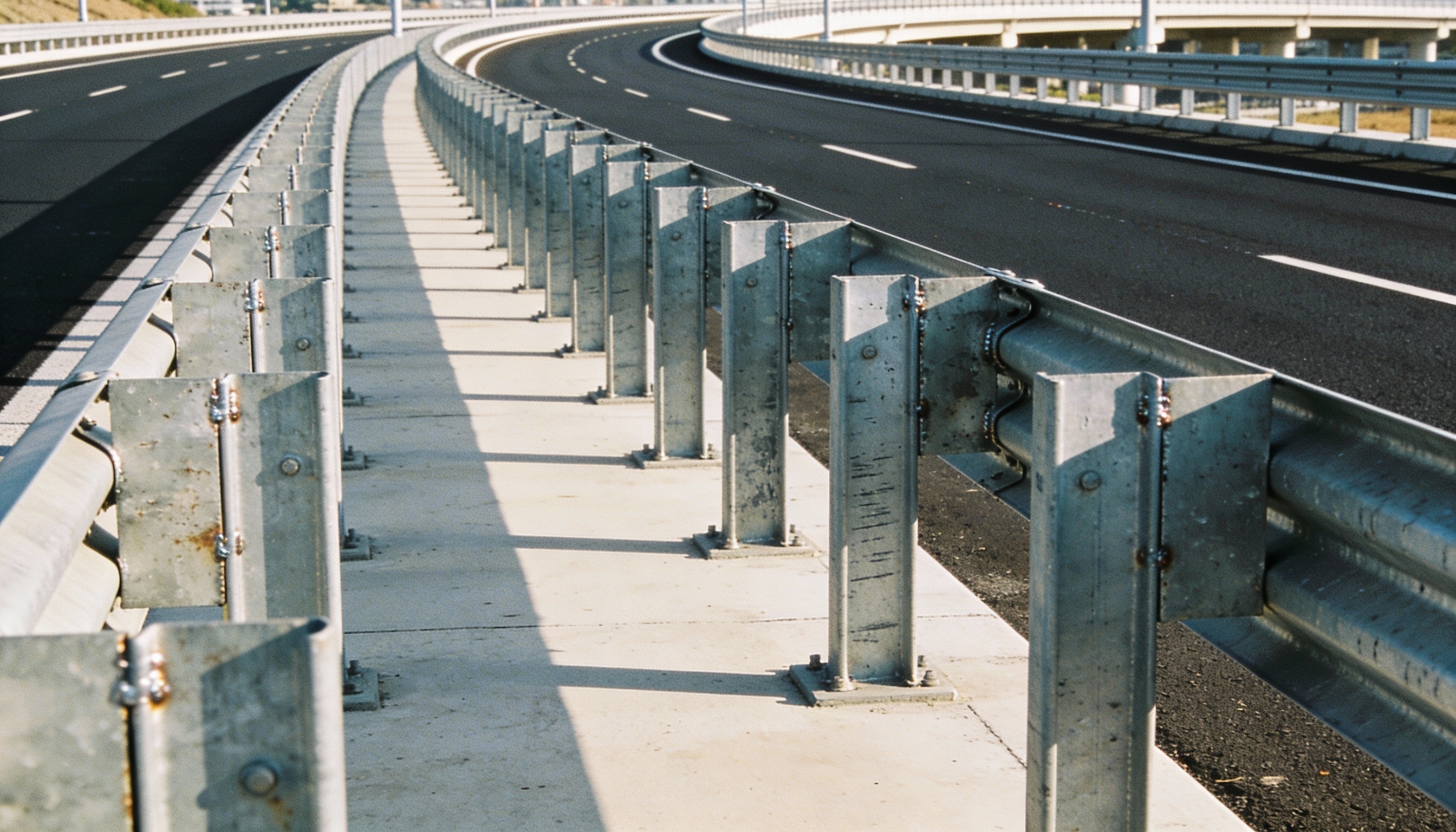
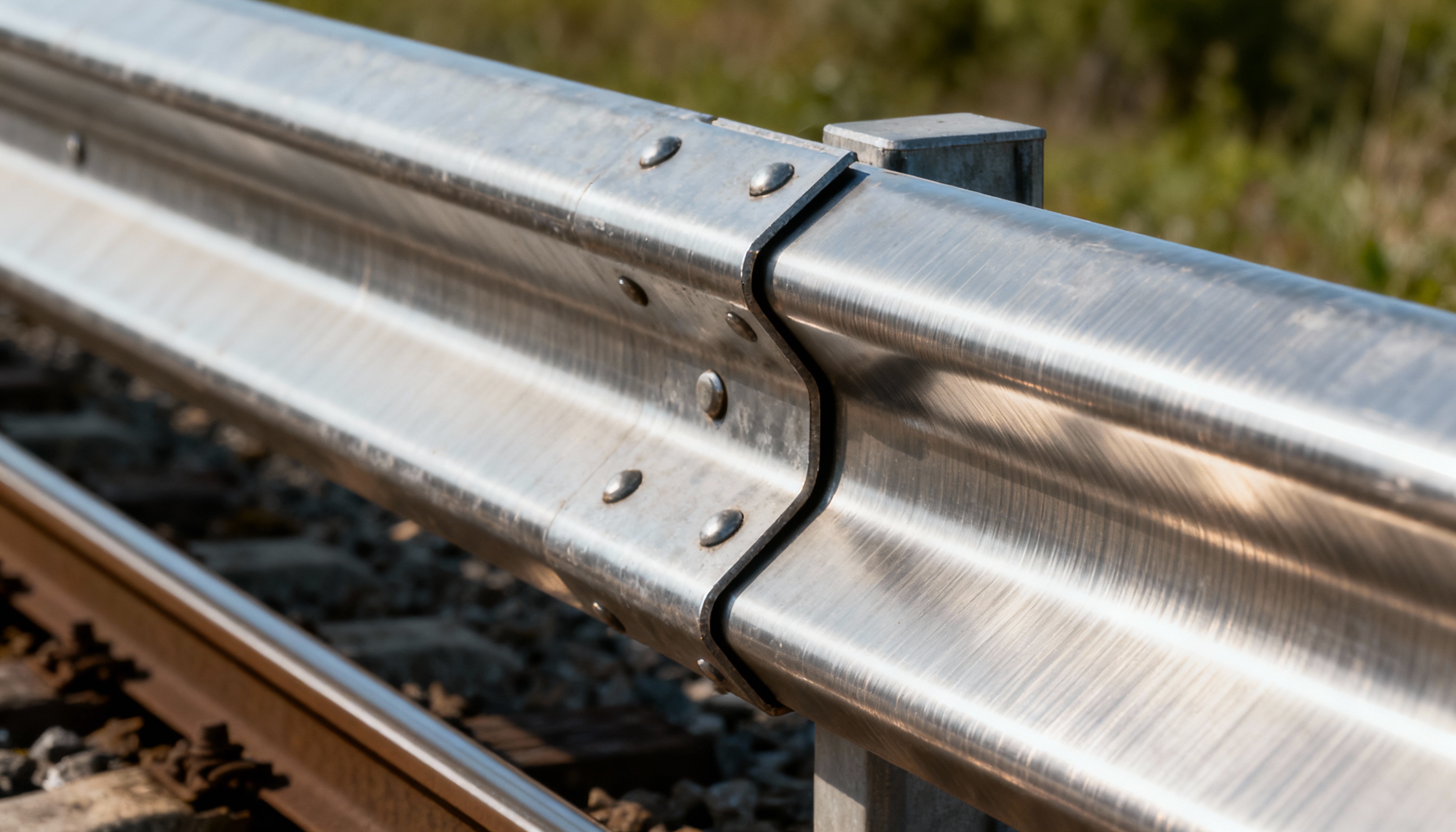
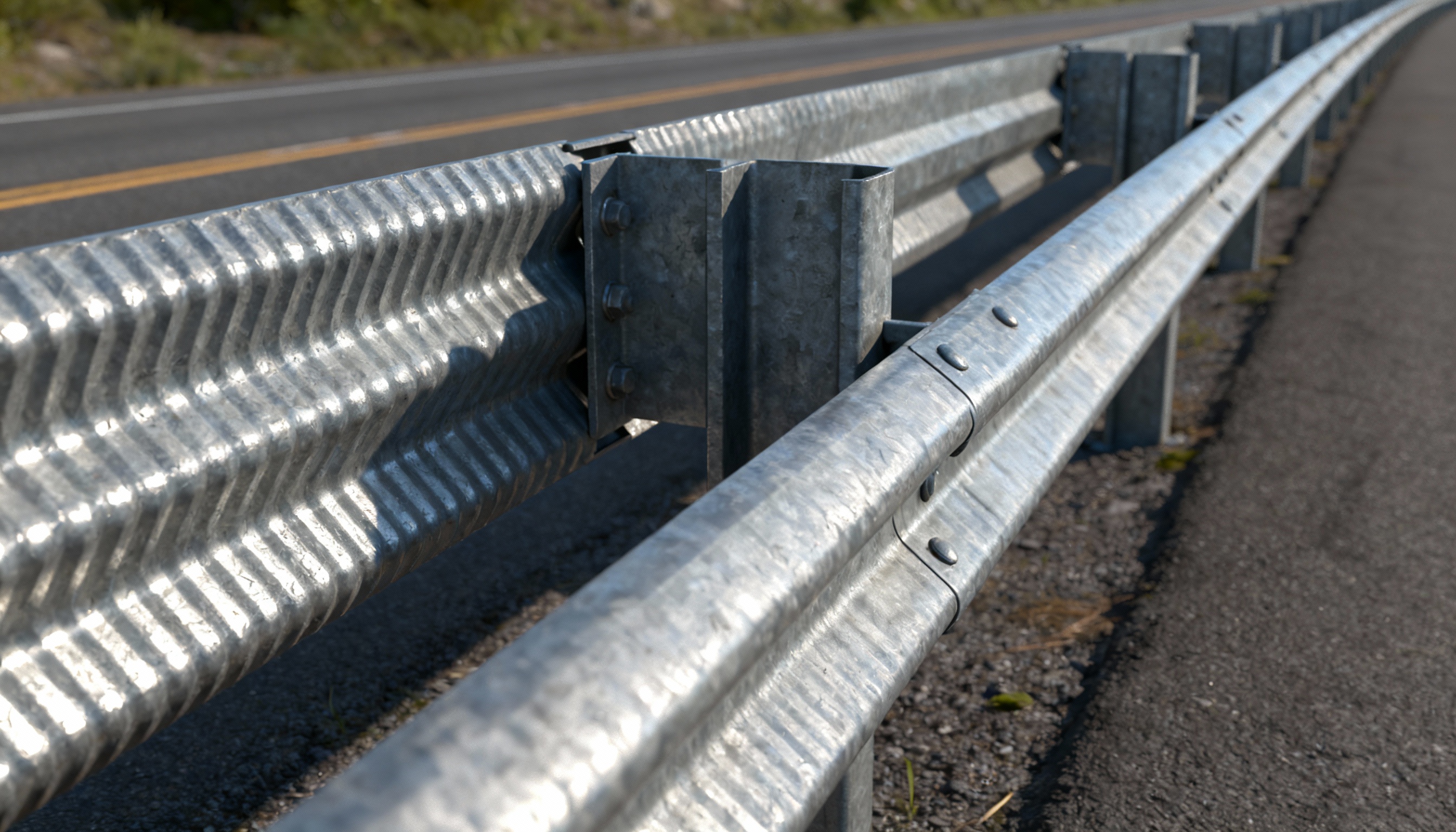
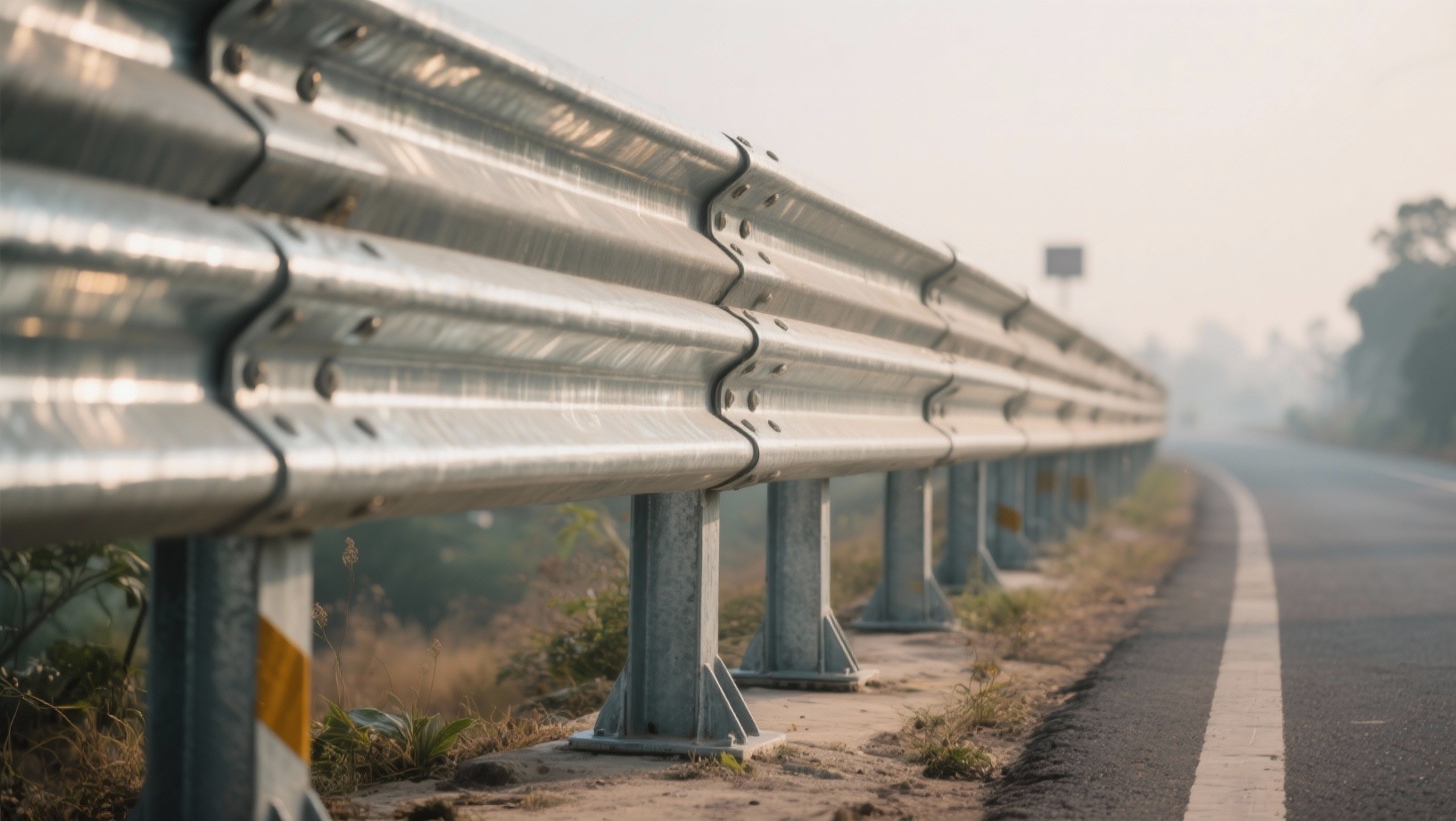
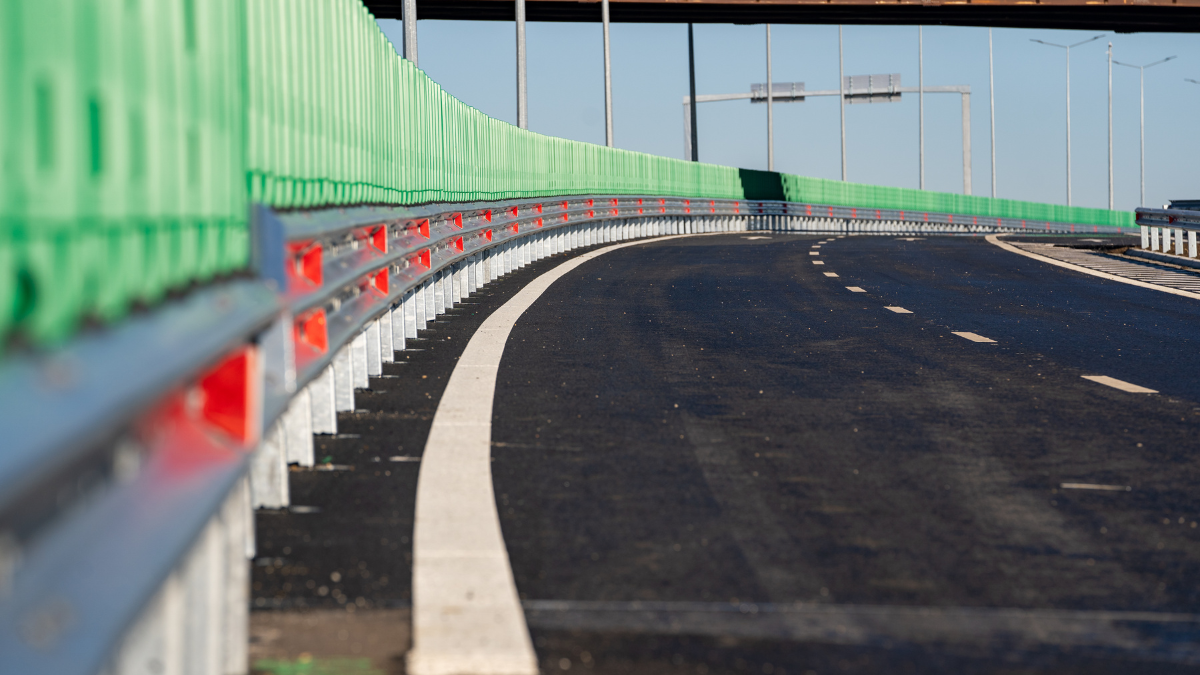
- Guardrails—They prevent the drivers from falling of the road and are usually installed on highways, bridges, etc.
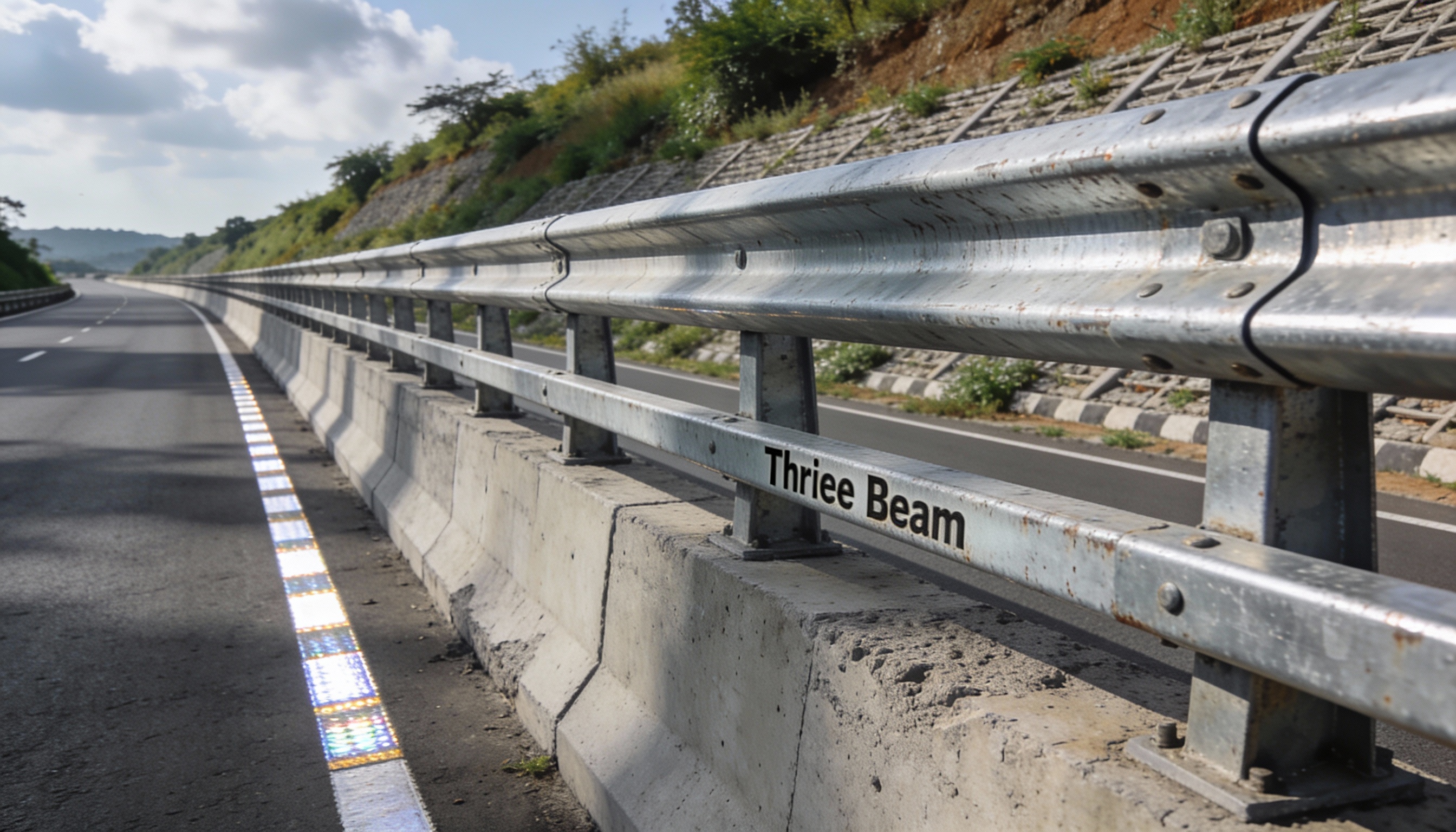
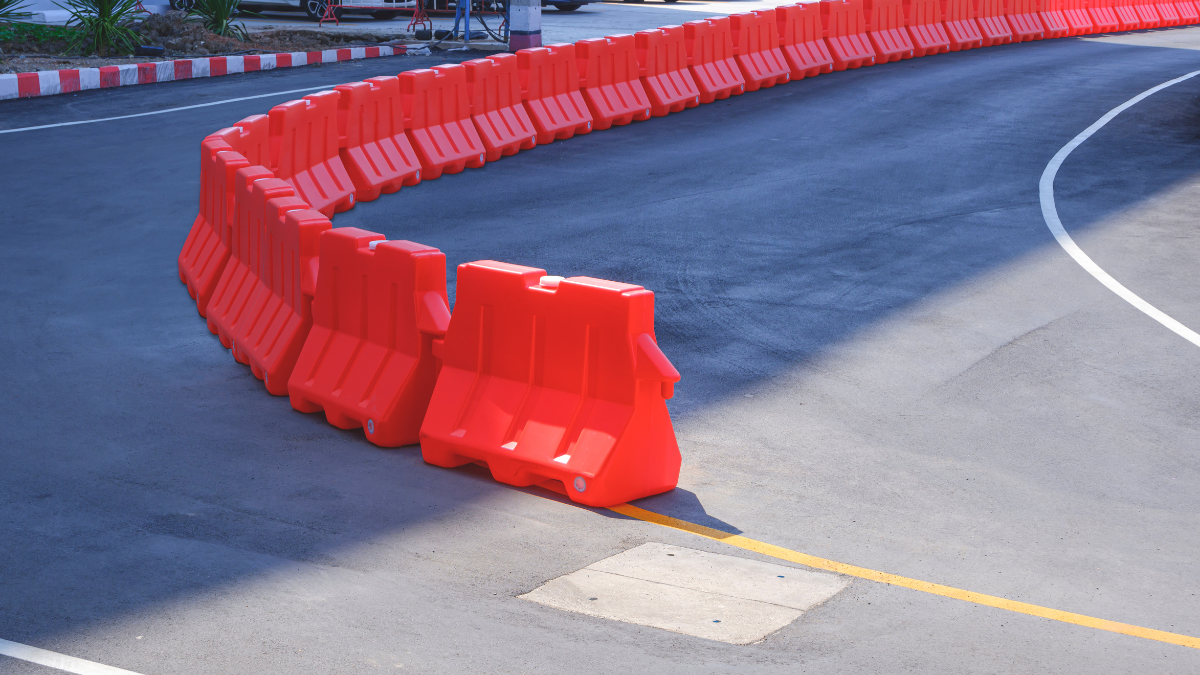
- Crash Barriers: Metal crash barriers form physical barriers in the absence of adequate anti-skid equipment.
Ready to Procure High-Quality Road Safety Equipment?
India is moving towards a $5 trillion economy. Our roads should be a live example of our growth. If you are going to partner with road marking paint manufacturers. You should ensure that you choose the right platform. Treadsafe Steel is one such platform. It understands that the importance of saving even one life is far more than anything else. The brand offers premium quality crash barriers, guardrails, thermoplastic paints, reflective road marking paints, etc., at amazing prices. Contact them today for more details.
FAQs
1. How long does thermoplastic road marking paint actually last?
On average, high-quality thermoplastic road paint lasts between 3 to 5 years, depending on traffic volume and weather conditions. This is significantly longer than traditional cold-applied paints, which often fade or peel within 3 to 6 months. Because the thermoplastic bond is thermal (melted into the road), it resists chipping even under heavy truck traffic.
2. Is the thermoplastic road marking paint price higher than regular paint?
Initially, yes. The upfront thermoplastic road marking paint price is higher because of the specialized raw materials (synthetic resins and glass beads) and the heavy machinery required for application. However, because it lasts 10 times longer than regular paint, the life-cycle cost is much lower, saving money on frequent repainting and labor.
3. Can thermoplastic markings be applied during the monsoon?
No. For a successful application, the road surface must be completely dry and clean. If there is moisture trapped in the asphalt, the molten paint (applied at 180°C+) will cause the water to turn into steam, creating bubbles and preventing a solid bond. This is why "monsoon proofing" must be completed in the dry months leading up to the rains.
4. What makes these markings visible at night?
The secret lies in the intermix and drop-on glass beads. These microscopic spheres are mixed into the paint and also sprayed on top while it’s still hot. They act as retro-reflectors, bouncing the light from a vehicle's headlights directly back to the driver. As the top layer of paint wears down over time, new beads are exposed, maintaining high-visibility markings for years.
6. How soon can traffic move after the paint is applied?
One of the biggest advantages of a thermoplastic road is the fast "track-free" time. Because the material hardens as it cools (rather than waiting for a solvent to evaporate), the road can usually be opened to traffic within 2 to 5 minutes of application. This minimizes traffic jams and construction delays.
7. Where can I get good-quality reflective markings and thermoplastic paints from? I have a limited budget and am searching for cost-effective solutions.
You can get premium quality reflective markings, paints, signage, guard rails, and more from Treadsafe. The platform has been serving businesses for a long time and has gained respect due to the sturdy and durable products that it offers at competitive prices.
- MARCH 03, 2026
- By Admin
- MARCH 03, 2026
- By Admin
- MARCH 03, 2026
- By Admin
- MARCH 03, 2026
- By Admin
- MARCH 03, 2026
- By Admin
- MARCH 03, 2026
- By Admin
- MARCH 03, 2026
- By Admin
- MARCH 03, 2026
- By Admin
- MARCH 03, 2026
- By Admin
- MARCH 03, 2026
- By Admin
- MARCH 03, 2026
- By Admin
- MARCH 03, 2026
- By Admin
- MARCH 03, 2026
- By Admin

- MARCH 03, 2026
- By Admin
- MARCH 03, 2026
- By Admin
- MARCH 03, 2026
- By Admin
- MARCH 03, 2026
- By Admin
- MARCH 03, 2026
- By Admin
- MARCH 03, 2026
- By Admin
- MARCH 03, 2026
- By Admin
- MARCH 03, 2026
- By Admin
- MARCH 03, 2026
- By Admin
- MARCH 03, 2026
- By Admin
- MARCH 03, 2026
- By Admin