

Types of Guardrails: W-Beam and Thrie-Beam Explained
- FEBRUARY 24, 2026
- By Admin
Safety of roads constitutes one of the important features of modern road systems. With the increasing volume of traffic and development of infrastructure, the installation of safety features on road surfaces, as well as bridges, assumes critical importance. Among the important safety devices, the role of road guardrails is significant, as they protect against accidents or damage to vehicles.
Within this blog, we will look at two commonly used guard rail systems: the W-beam rail and the Thrie-beam system. We will discuss the use of these systems and their selection process as well.
Why Do Guardrails Matter?
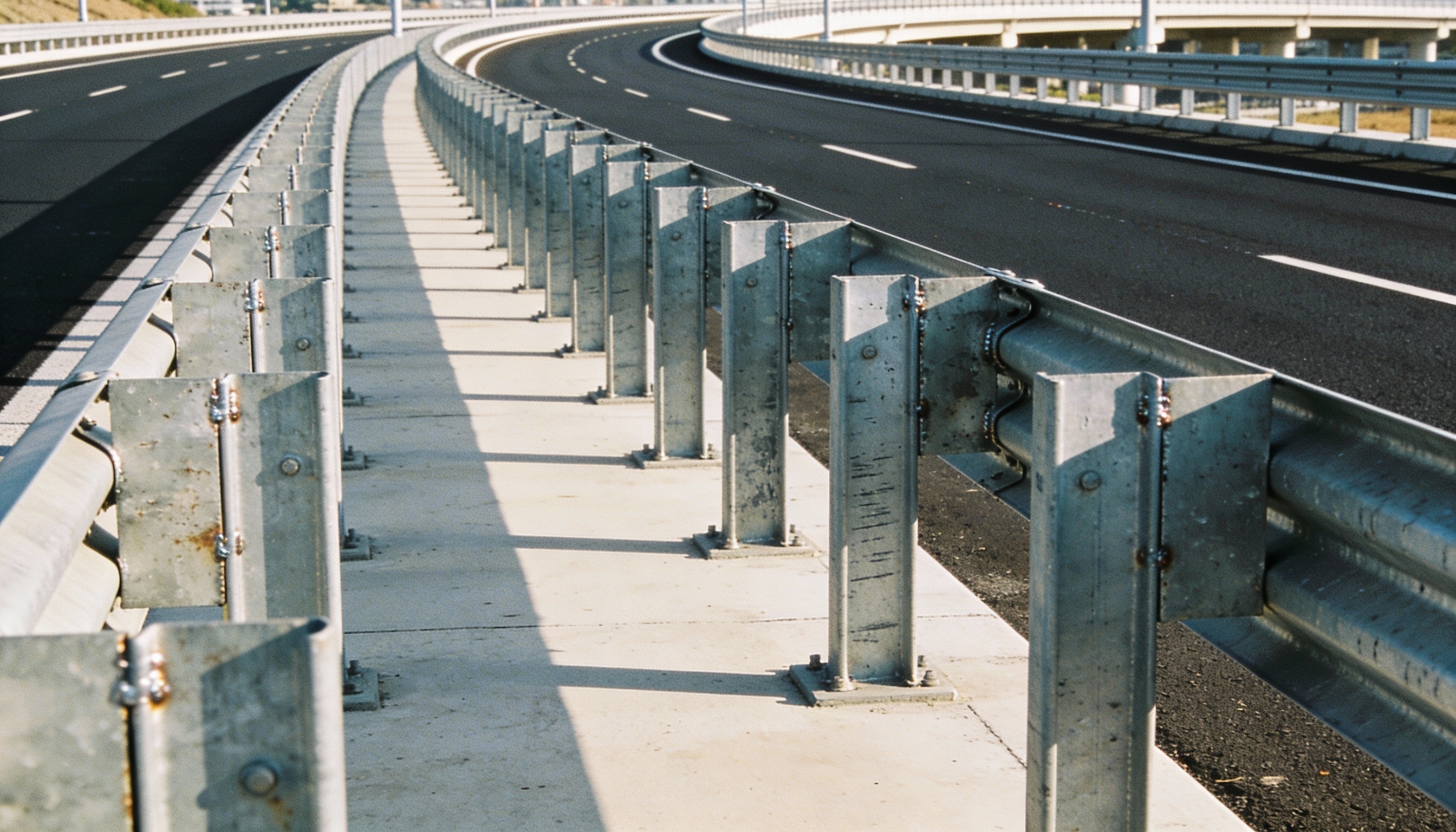
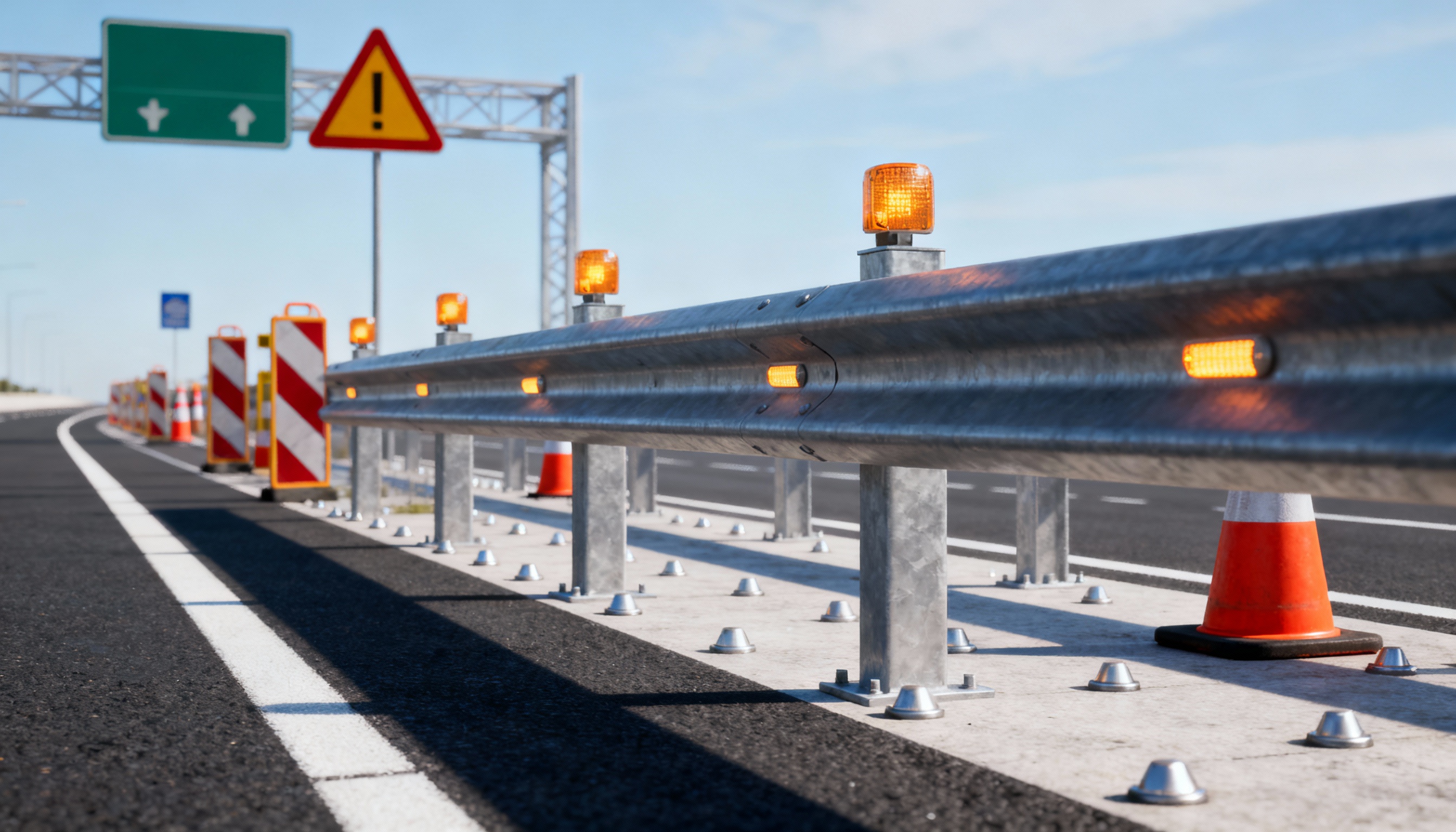
Guard Rails include barriers found on roadside areas, medians, bridges, and elevated surfaces. The main aim of guard rails is to redirect vehicles to the road while decreasing accidents.
Some of the key advantages of guardrails are:
- They Secure vehicles from leaving the roadway
- They reduce impact force during a crash.
- They protect the walker and surrounding infrastructure
- They Improve Overall Traffic Safety
- They Boost driver self-confidence
These systems are developed using strong metals and thereafter tested in the natural environment.
Understanding W-Beam Guard Rails
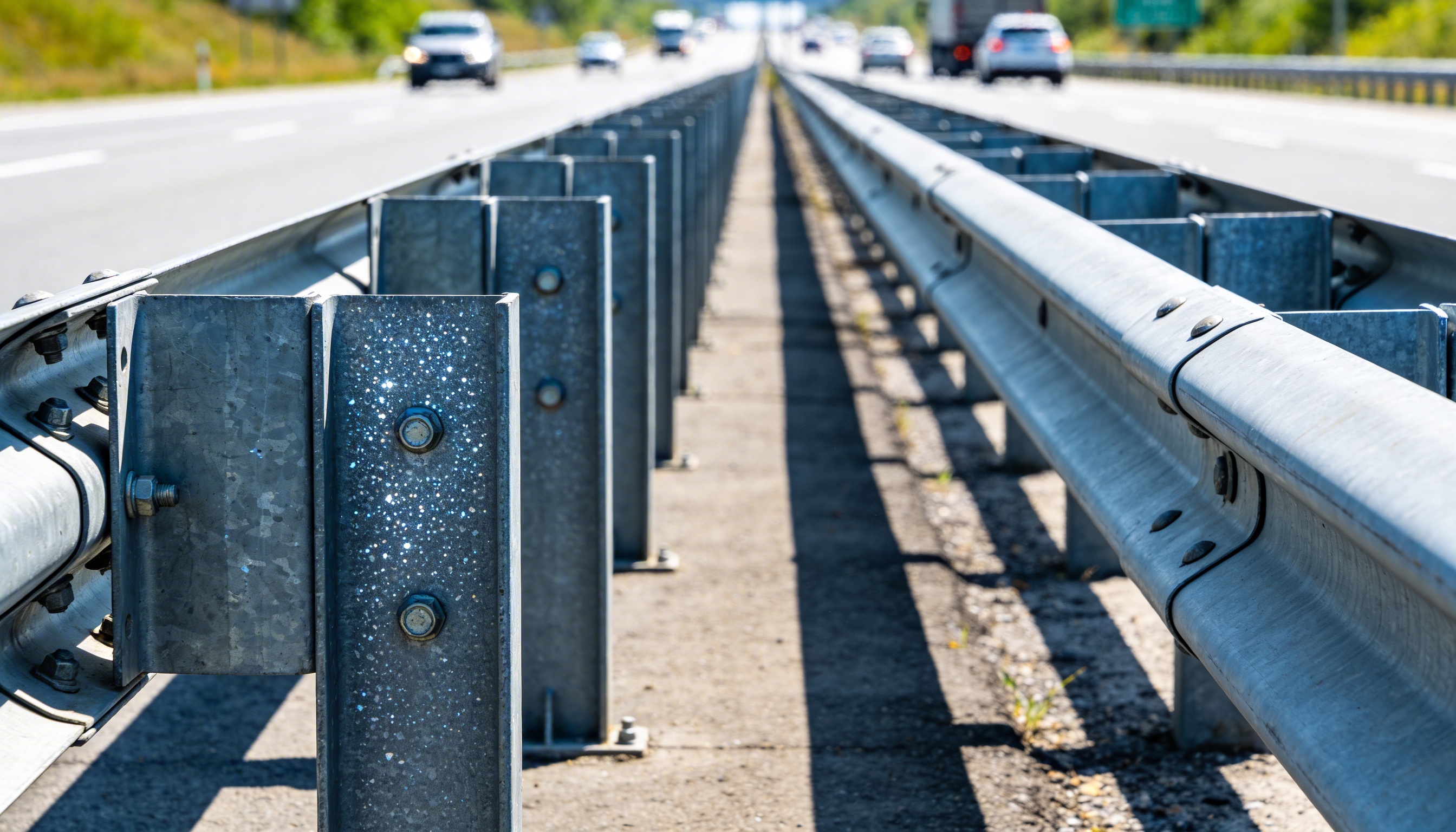
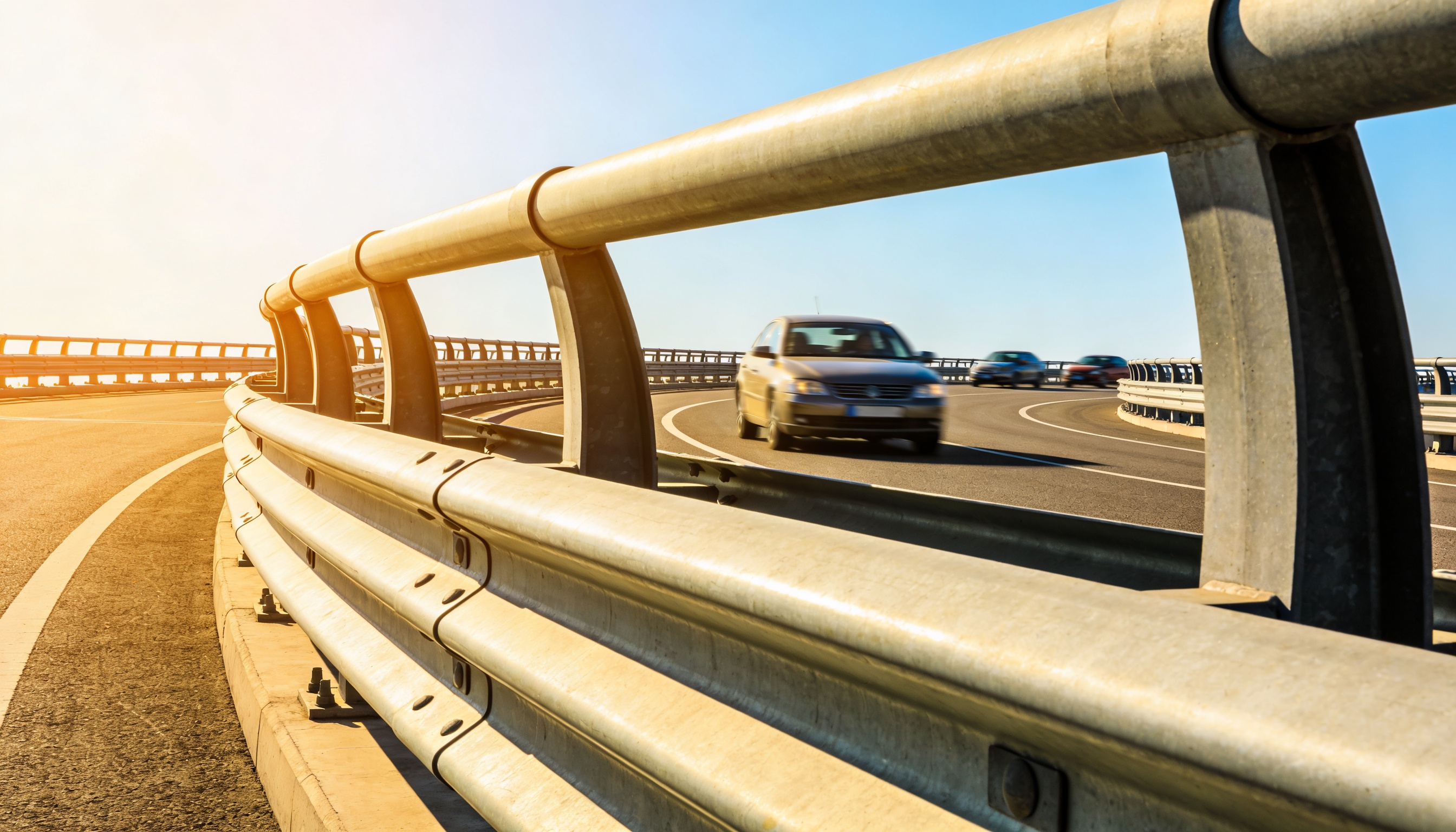
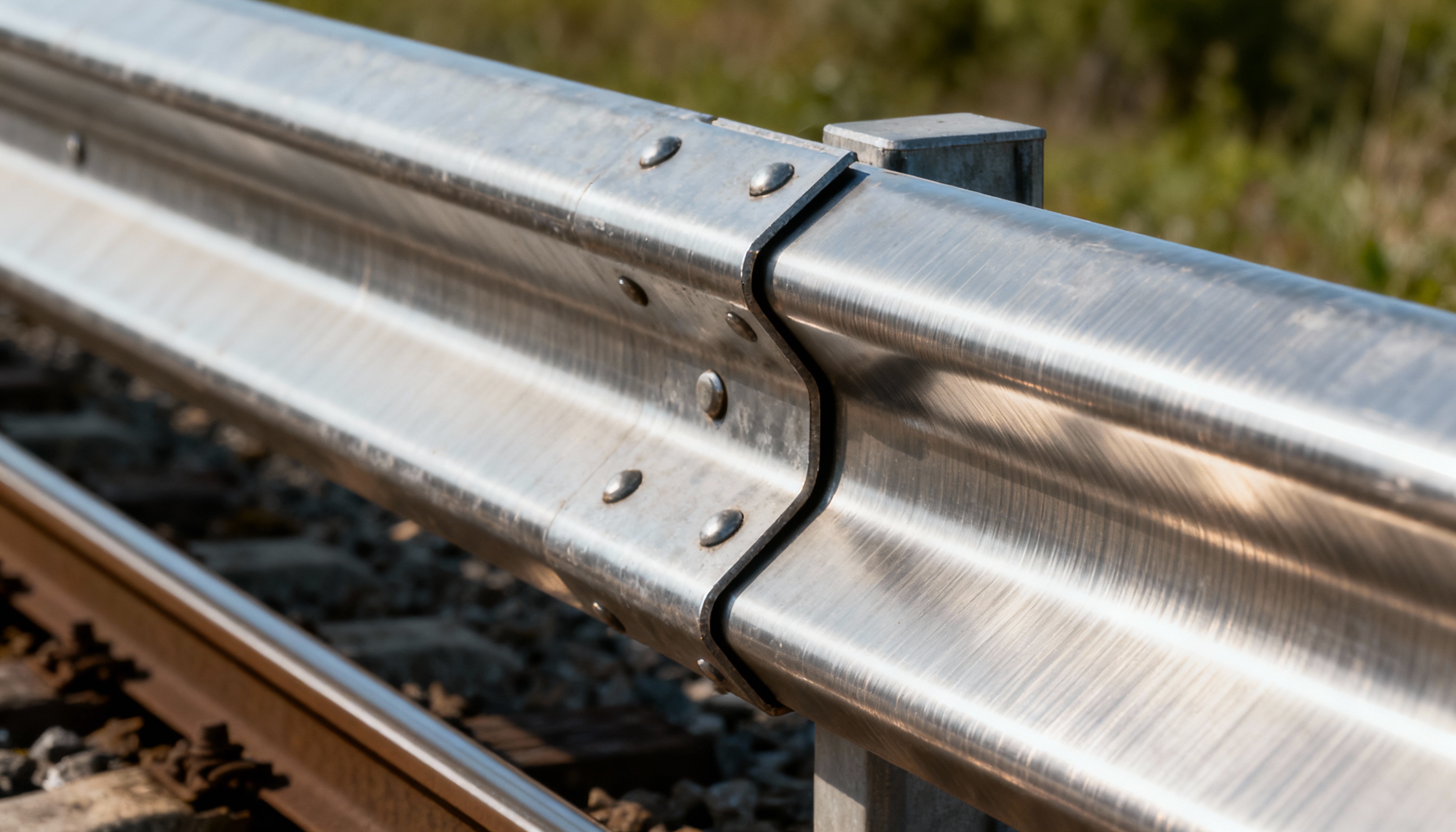
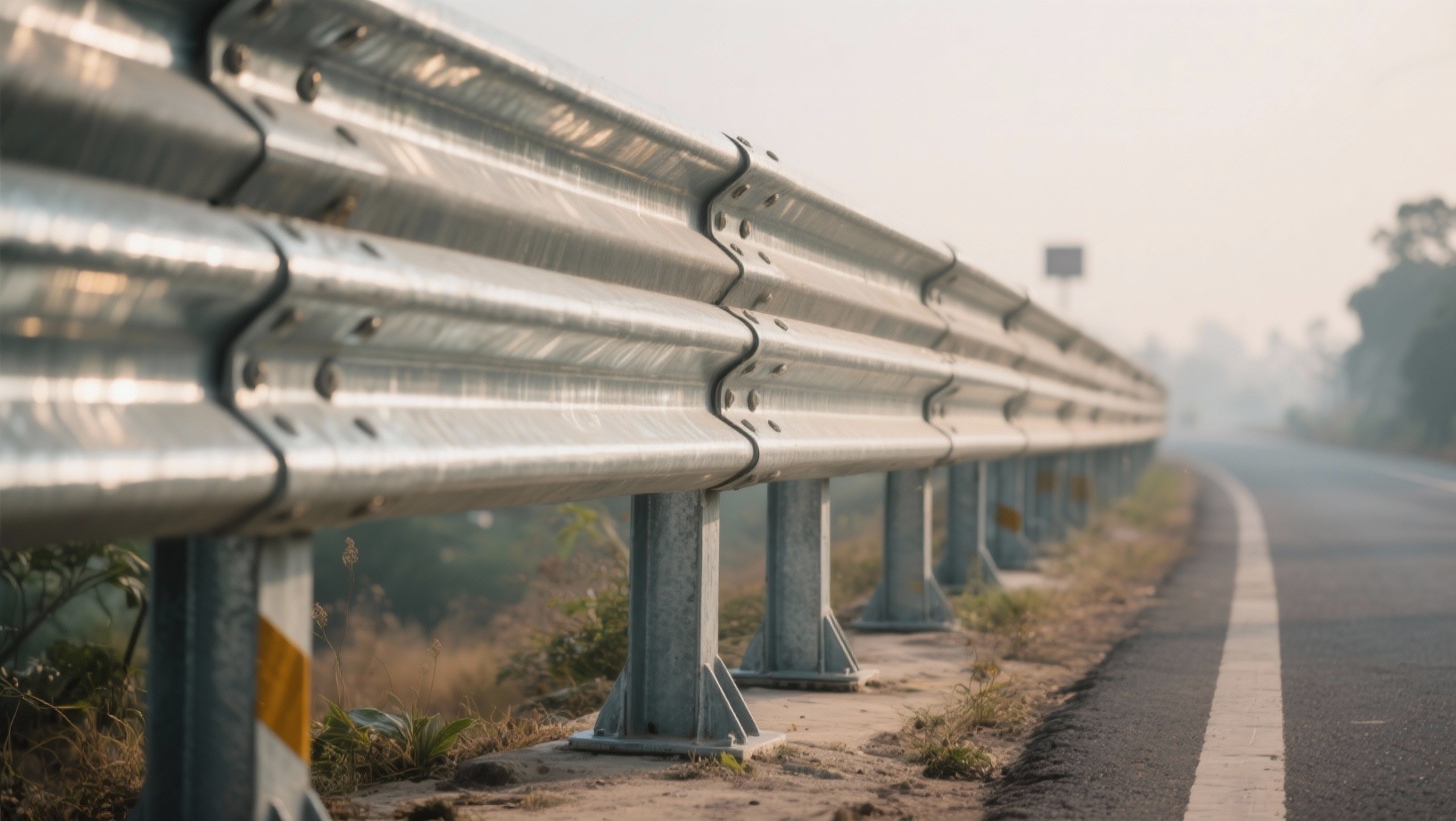
The W-beam guard rails are named for their cross-section in the form of a “W.” Most of the highways and especially the rural roads use these barrier systems more than anything else.
Applications of W-Beam Guard Rails
- They are made with galvanized steel.
- There are flexible and impact-absorbing features.
- Fastened to steel or wooden posts
- Lower the cost of simplification
- Easy to install and maintain
Due to the flexibility of W-beam rails, they can absorb collision energy and bring down the vehicle slowly on impact to reduce injury risks. They find application in medium-speed and moderate-volume roads.
Understanding Thrie-Beam Guard Rails
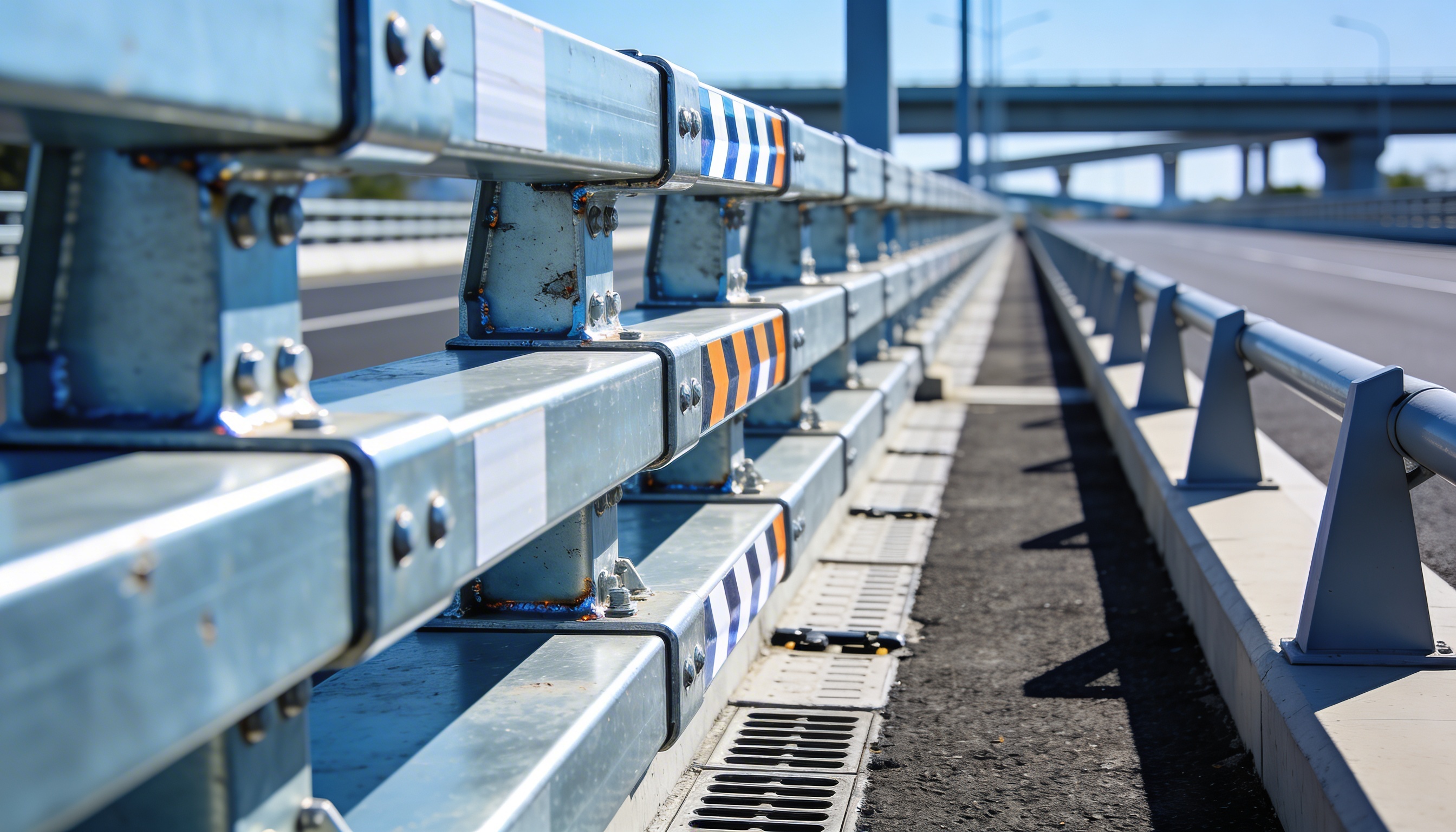
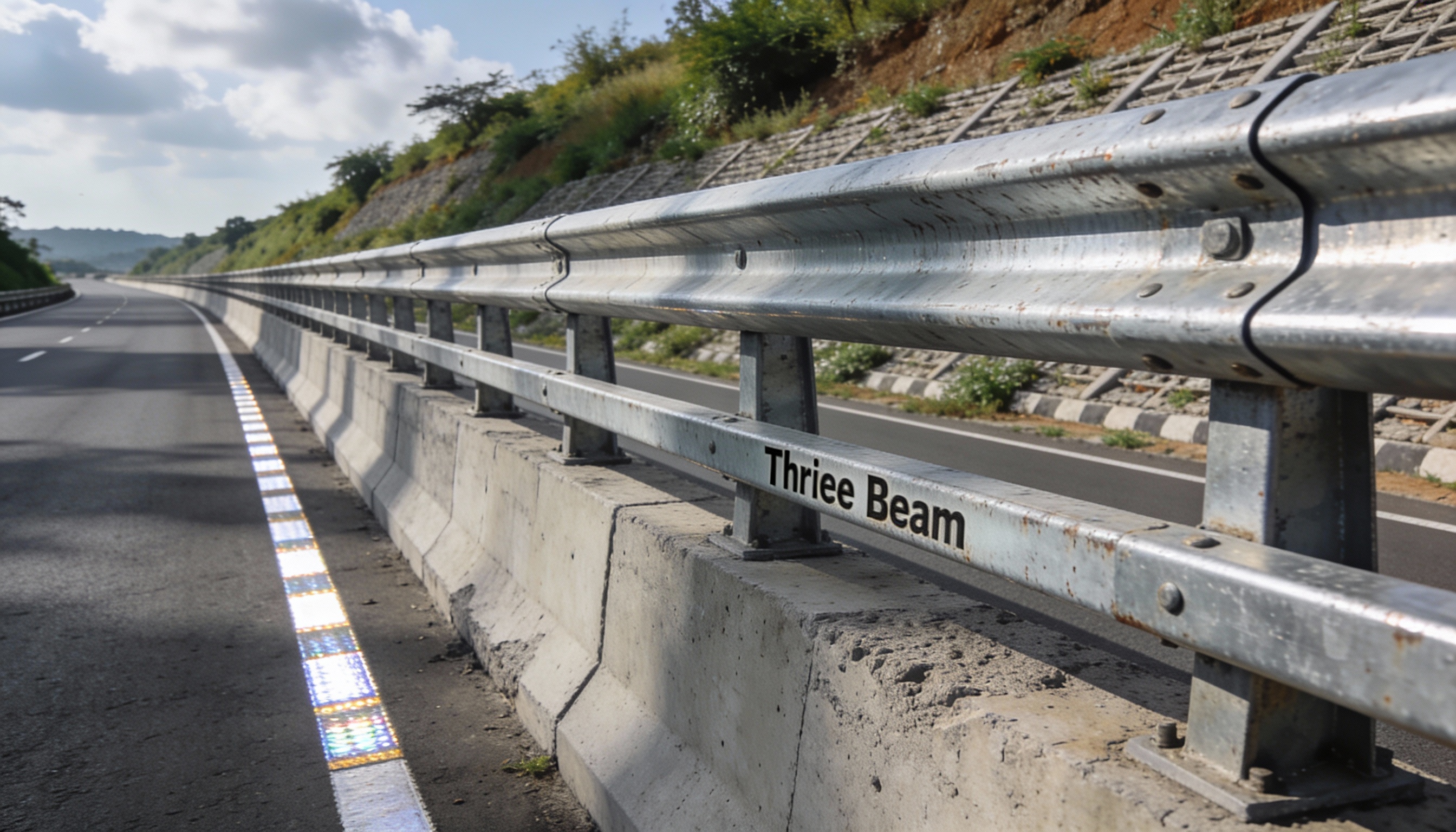
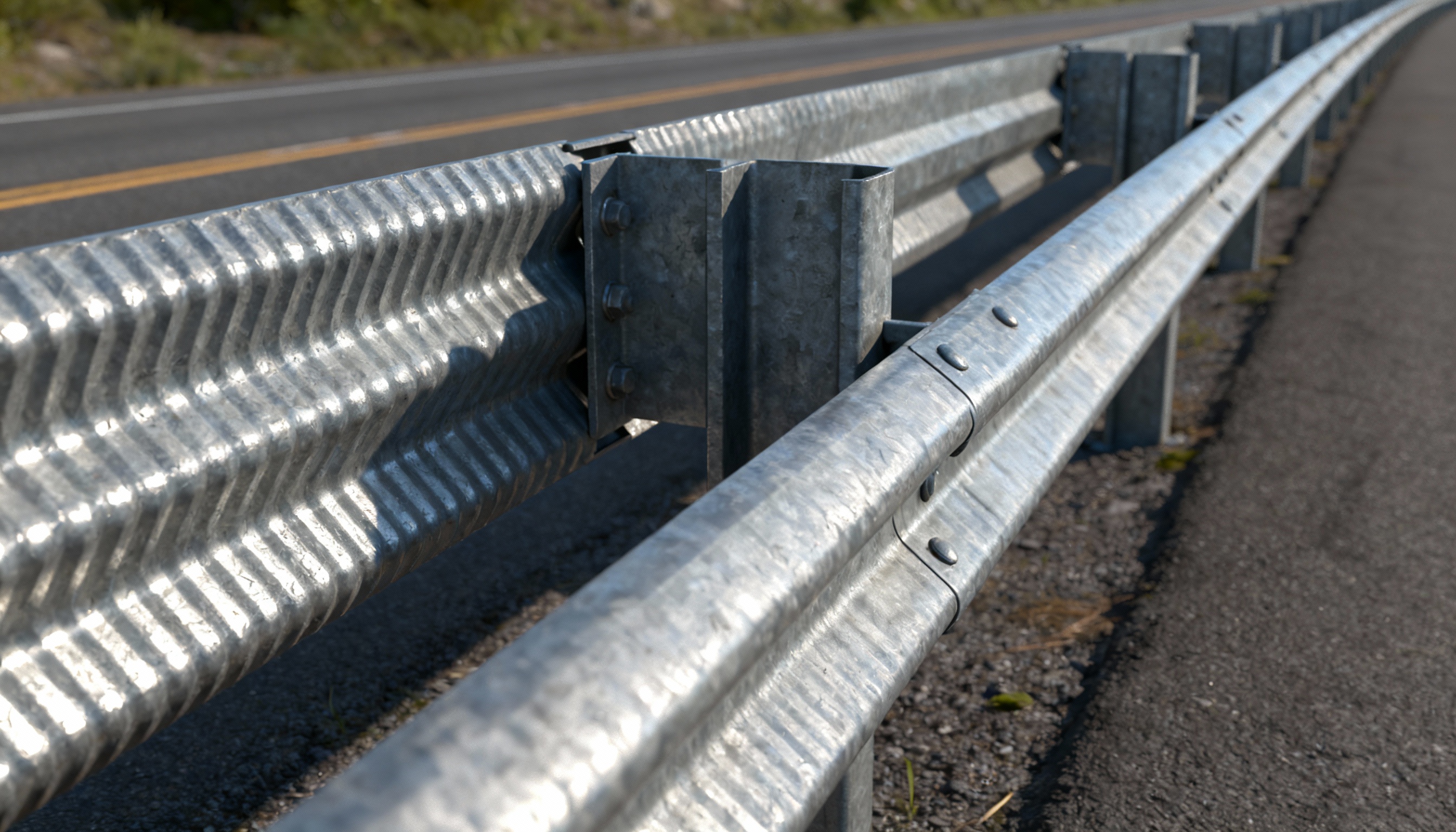
Thrie-beams are upgraded versions of the W-beam type of guard rails. They are strengthened with more wrinkles to make them stronger and more rigid.
Key points of Thrie-Beam Guard Rails
- They have a high impact resistance
- They have a greater load-bearing capacity
- They have a longer service life
- Convenient for extreme-risk zones
Comparison Between W-Beam and Thrie-Beam
While comparing these two systems, there are several factors at play:
- Strength: Thrie-beam has higher structural strength.
- Flexibility: W-beam is more flexible and absorbs shock gradually.
- Cost: W-beam is less costly.
- Usage: Thrie-beam suits high-speed corridors.
- Maintenance: Both Need Periodic Inspections.
With projects involving guard rails, there has been a preference for choosing between the two systems depending on traffic load, terrain, and requirements for safety.
Applications in Modern Infrastructure
Both W-Beam and Thrie-beam systems are majorly used in different industries:
- National highways and expressways
- Urban flyovers and bridges
- Industrial roads and logistics parks
- Mountain roads and sharp curves
Government authorities and private developers regularly consult with the best guardrail manufacturers to secure compliance with safety standards and long-term reliability.
Choosing the Right Guard Rail System
Different guardrails are selected based on various technical and environmental factors.
- Traffic status and vehicle type
- Curves and road corners
- Installation area: bridge, slope, median
- Budget and cost
- Maintenance needs
This is especially true in large projects, and so consulting Guard Rail Manufacturers in India ensures certified products with expert technical support.
Comparison Table: W-Beam vs Thrie-Beam
Difference table between W-beam guardrail and thrie-beam guardrail.
| Feature | W-Beam Guard Rail | Thrie-Beam Guard Rail |
|---|---|---|
| Cross-Section Shape | W-shaped | Three-ribbed profile |
| Strength Level | Medium | High |
| Impact Resistance | Moderate | Excellent |
| Cost | Lower | Higher |
| Flexibility | More Flexible | More Rigid |
| Best Used For | Rural & Urban Roads | Expressways & Bridges |
| Installation | Simple | Moderate |
| Maintenance | Easy | Easy |
Accident Statistics Linked to the Absence of Guardrails
The impact of the incorrect road guardrail on road safety is high, according to a source. In India, 4.8 lakh road accidents were reported in 2023. which led to more than 1.72 lakh casualties, which retranslates to 474 deaths per day on average. The larger percentage of such types of road accidents are on highway roads or open roads where the vehicle goes off-road, especially on curves or when the vehicle is in uplift.
Studies indicate that parts that lack these protective barriers experience a high rate of critical crashes. Properly fitted safety mechanisms can potentially reduce fatalities and injury crashes up to 44-52 percent, bringing in the element of proper roadside security.
Conclusion
W-Beam and Thrie-beam guard rails are the important components of the safety system on roads. W-Beam is more adaptable and efficient, but the Thrie-Beam provides extra safety to the high-speed areas on roads. The choice of guard rails depends on the traffic flow and budget.
Thus, with investment in effective road guardrails, the severity of accidents can be reduced, thereby ensuring the confidence of users as well. Guardrails and guardrails in construction projects help ensure a longer service life as well.
If you are searching for reliable partners among the best guard rails manufacturers or trusted guardrail rail manufacturers in India, selecting an experienced and certified supplier makes a major difference in project success.
If you're looking for Guardrails, crash barriers, road safety equipment, highway guardrails, etc., you're at the right place with Treadsafe Steel. Not only have we earned the reputation of being the best in the business, but we also offer an unmatched commitment to quality, reliability, and safety standards.
Frequently Asked Questions (FAQs)
1. What is the main difference between W-beam and Thrie-beam guardrails in terms of structure and performance?
W-beam guardrails are designed to be flexible and cost-effective, making them suitable for many standard road applications. Thrie-beam guardrails have an additional corrugation, which increases their strength and impact resistance. This makes Thrie-beam systems more suitable for high-speed and high-risk road areas.
2. Which type of guardrail is considered the best option for highways and expressways?
Thrie-beam guardrails are generally preferred for highways and expressways. Their enhanced structural strength provides better vehicle containment during high-speed collisions. This added protection makes them ideal for roads with heavy and fast-moving traffic.
3. What is the average lifespan of galvanized steel guard rails under normal conditions?
Galvanized steel guard rails typically last between 15 to 25 years. Their lifespan depends on environmental factors such as moisture, pollution, and coastal exposure. Regular inspection and maintenance can further extend their durability.
4. Can W-beam and Thrie-beam guard rails be customized according to project requirements?
Yes, guard rails can be customized to suit specific project needs. Manufacturers can adjust length, thickness, protective coatings, and installation methods. This flexibility ensures the guardrail system matches site conditions and safety standards.
5. Why is professional installation of guard rails important for road safety?
Professional installation ensures proper alignment and secure anchoring of the guardrail system. Correct installation improves the guardrail’s ability to absorb and redirect impact forces. This significantly enhances overall road safety during accidents.
Additional resources:
Here is a list of our other blogs that you might be interested in:
- FEBRUARY 24, 2026
- By Admin
- FEBRUARY 24, 2026
- By Admin
- FEBRUARY 24, 2026
- By Admin
- FEBRUARY 24, 2026
- By Admin
- FEBRUARY 24, 2026
- By Admin
- FEBRUARY 24, 2026
- By Admin
- FEBRUARY 24, 2026
- By Admin
- FEBRUARY 24, 2026
- By Admin
- FEBRUARY 24, 2026
- By Admin
- FEBRUARY 24, 2026
- By Admin

- FEBRUARY 24, 2026
- By Admin
- FEBRUARY 24, 2026
- By Admin
- FEBRUARY 24, 2026
- By Admin

- FEBRUARY 24, 2026
- By Admin

- FEBRUARY 24, 2026
- By Admin
- FEBRUARY 24, 2026
- By Admin
- FEBRUARY 24, 2026
- By Admin
- FEBRUARY 24, 2026
- By Admin
- FEBRUARY 24, 2026
- By Admin
- FEBRUARY 24, 2026
- By Admin

- FEBRUARY 24, 2026
- By Admin
- FEBRUARY 24, 2026
- By Admin
- FEBRUARY 24, 2026
- By Admin

- FEBRUARY 24, 2026
- By Admin