

What Is the Difference Between Crash Barriers and Guard Rails?
- FEBRUARY 12, 2026
- By Admin
Infrastructure of road safety is an essential component in the decrease of accidents and the preservation of lives. Among the various safety measures employed on roads, bridges, and highways, two of the most significant ones are crash barriers and guard rails. While these two terms are often considered to be the same thing, they are actually employed for two different purposes and are meant for two different sets of conditions.
Understanding Crash Barriers
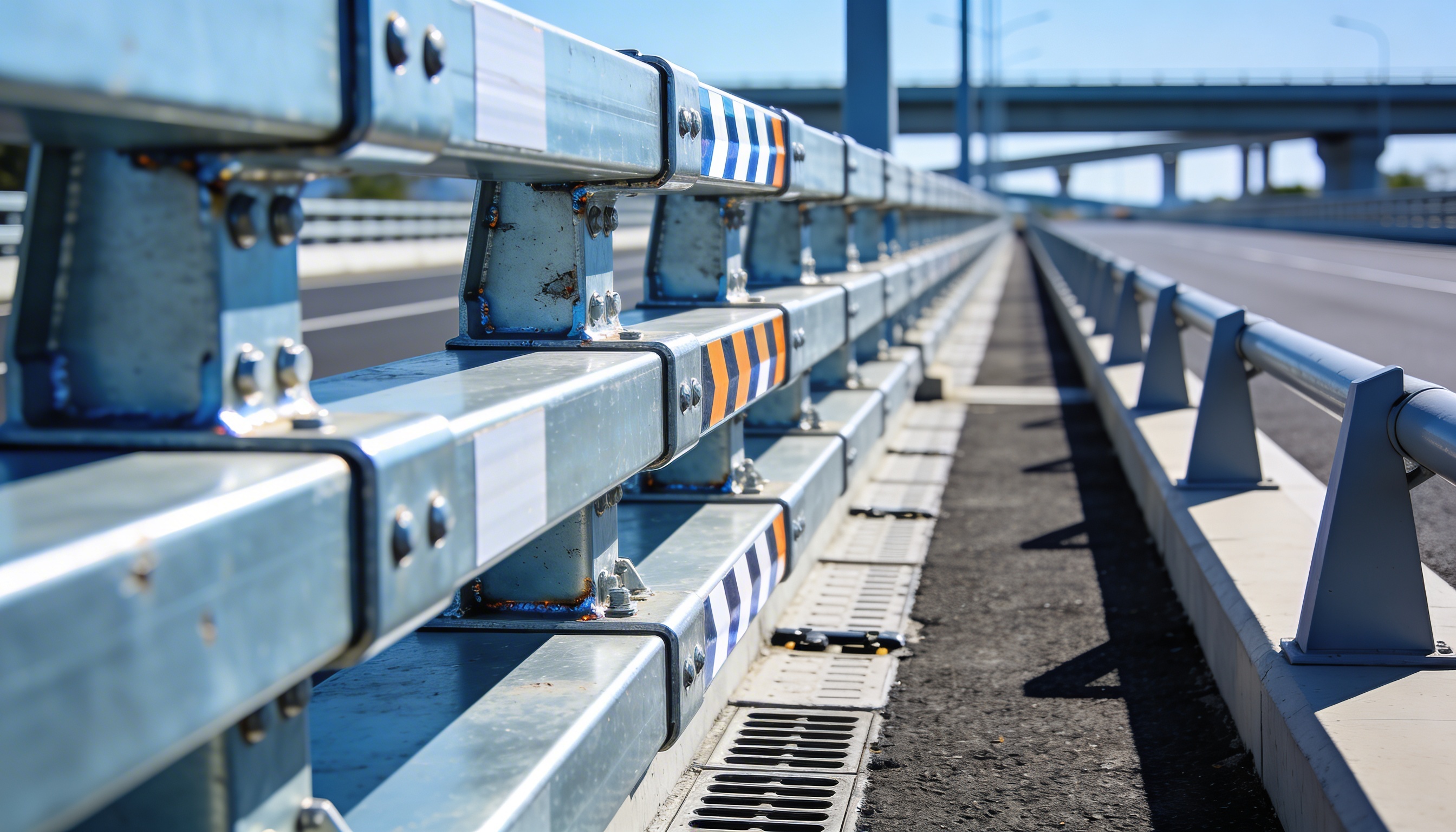
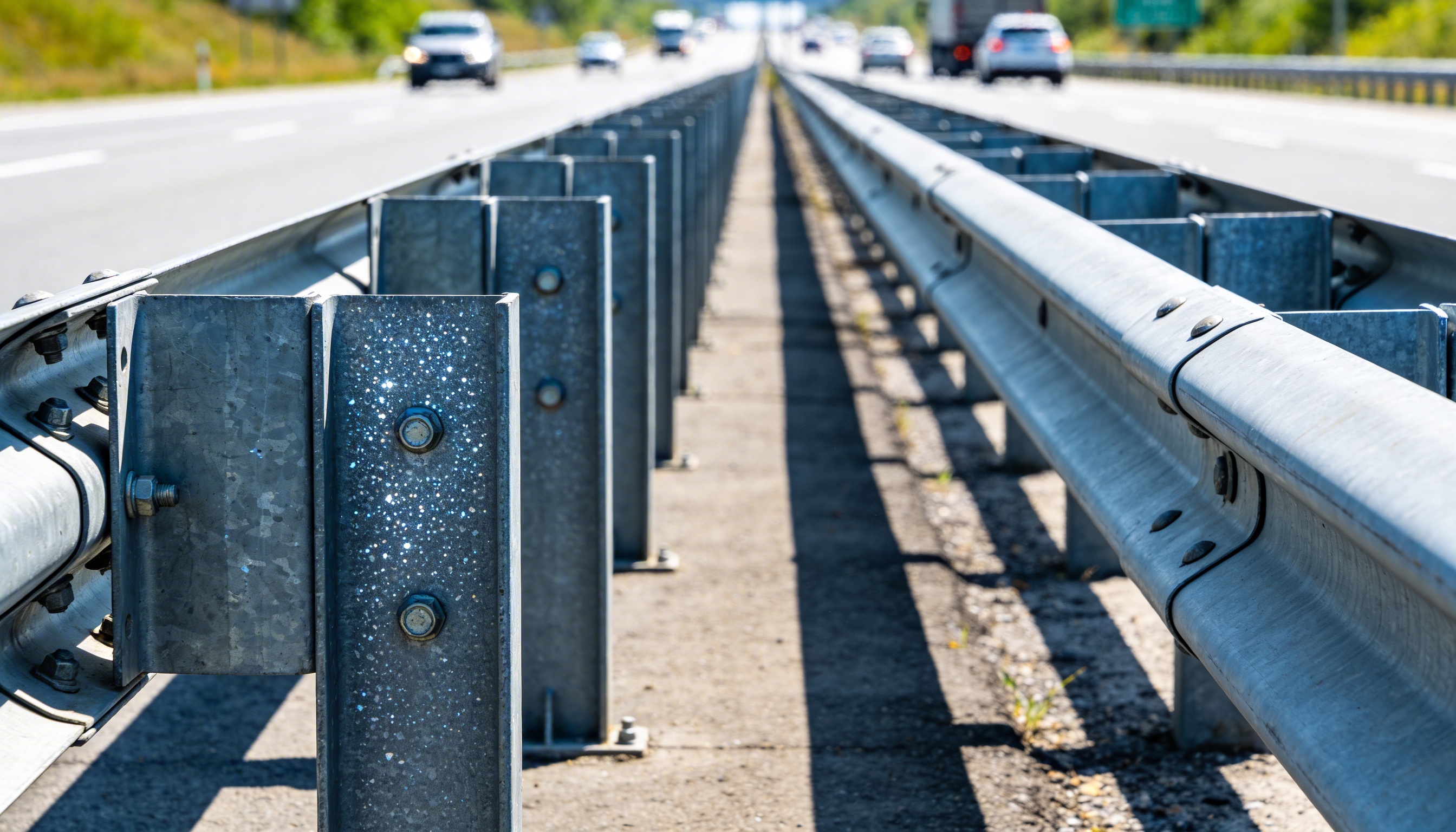
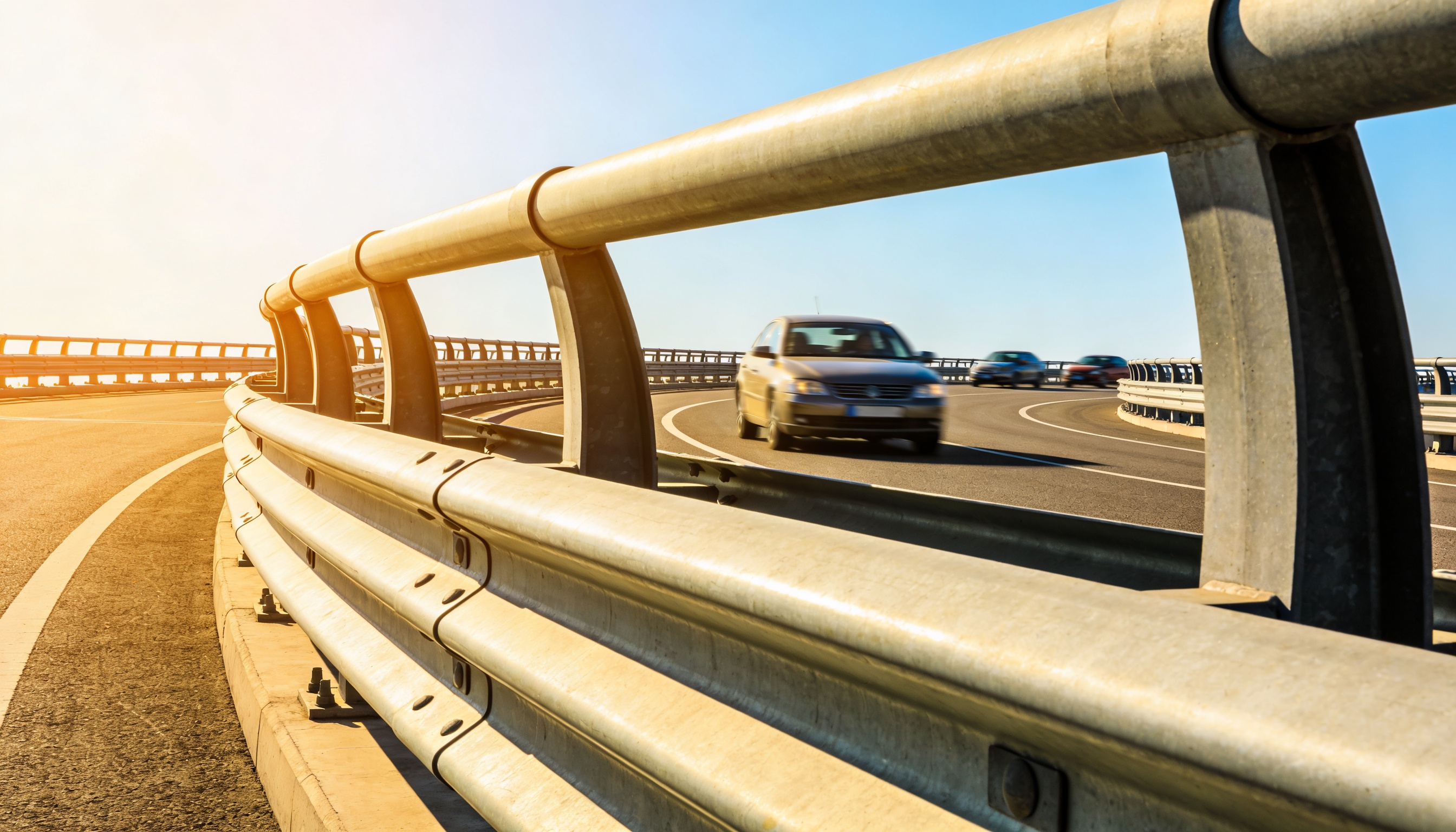
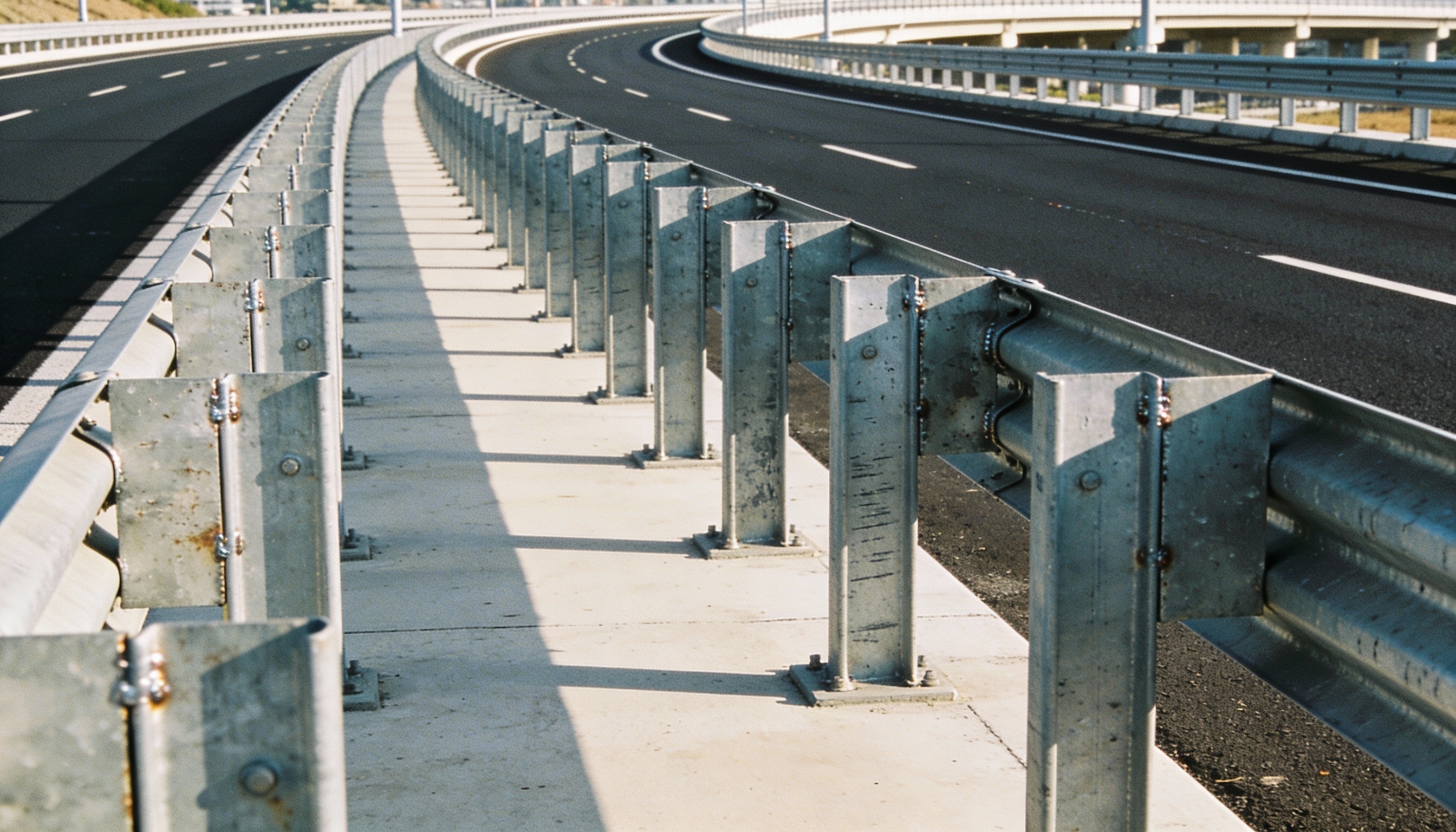
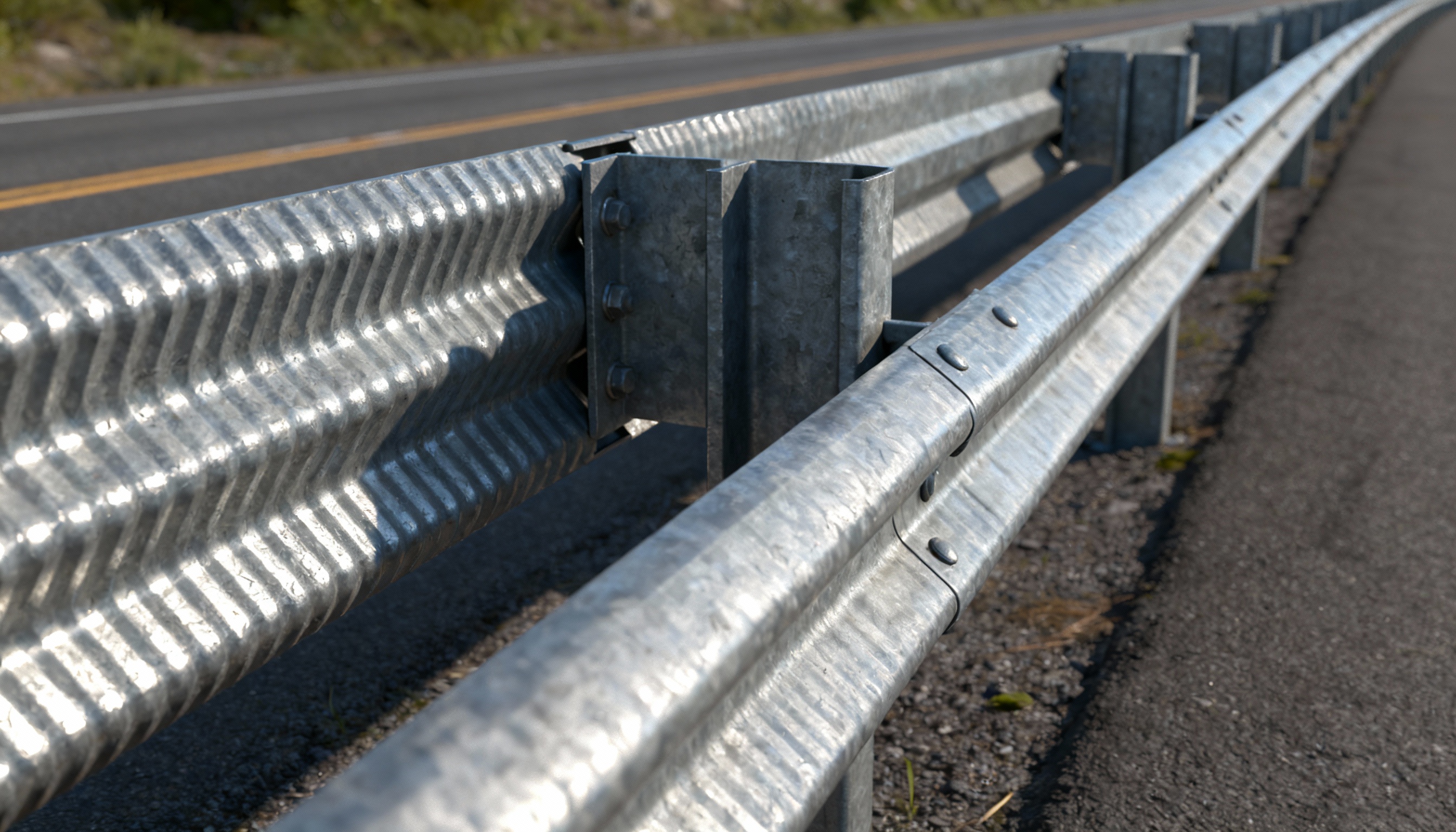
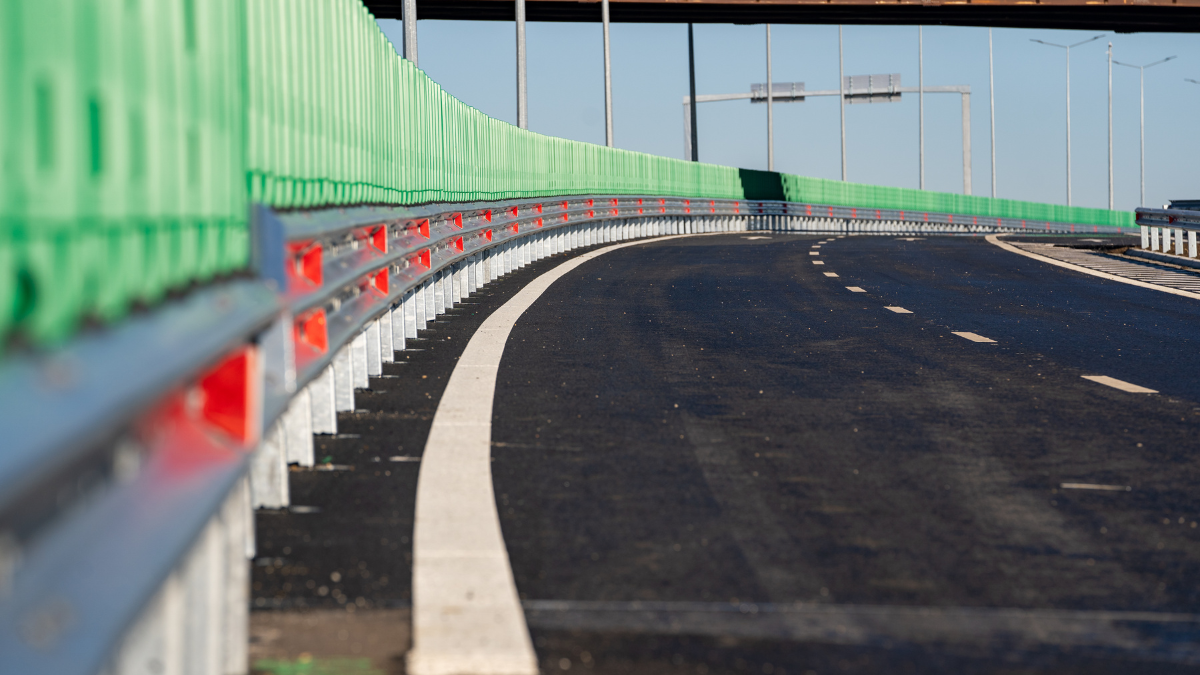
Crash barriers are heavy-duty safety structures that are designed to absorb and deflect the force of impact of vehicles during a crash. One such example is the crash barrier on a bridge, which safeguards vehicles from plunging into rivers, valleys, and traffic below. Crash barriers are designed to resist the impact of high-speed crashes and are normally established in high-risk zones such as flyovers, expressways, and curves. The main purpose of crash barriers is not only to halt a vehicle but also to guide its movement after the crash. Crash barriers greatly reduce the risk of fatalities in accidents.
Role of Manufacturers in Safety Systems
The quality of any safety barrier is an important factor in its effectiveness. Well-known manufacturers of crash barriers strictly adhere to engineering principles. They invest heavily in research and development to enhance the rate of energy consumption and make the installation process simpler. The crash barrier manufacturers also make sure that the barrier is more desirable in terms of traffic flow, speed, and environmental factors.
Their effectiveness ensures that the final product can withstand actual conditions like heavy traffic, environmental factors, and aging.
What Are Guard Rails?
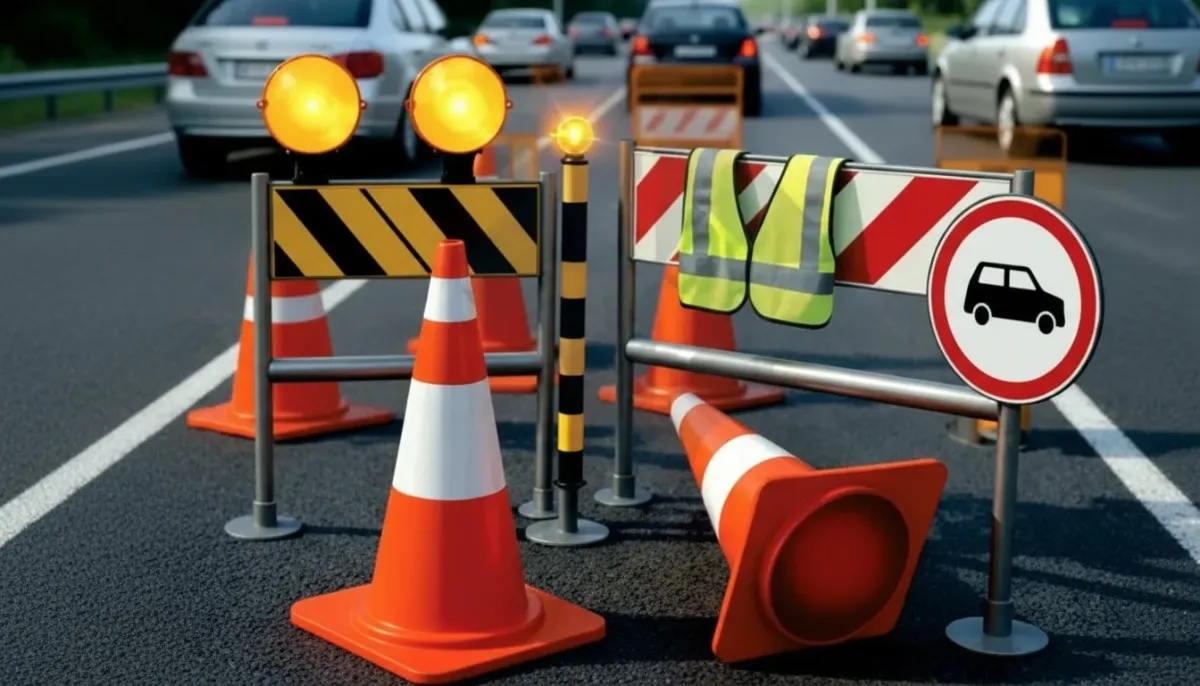
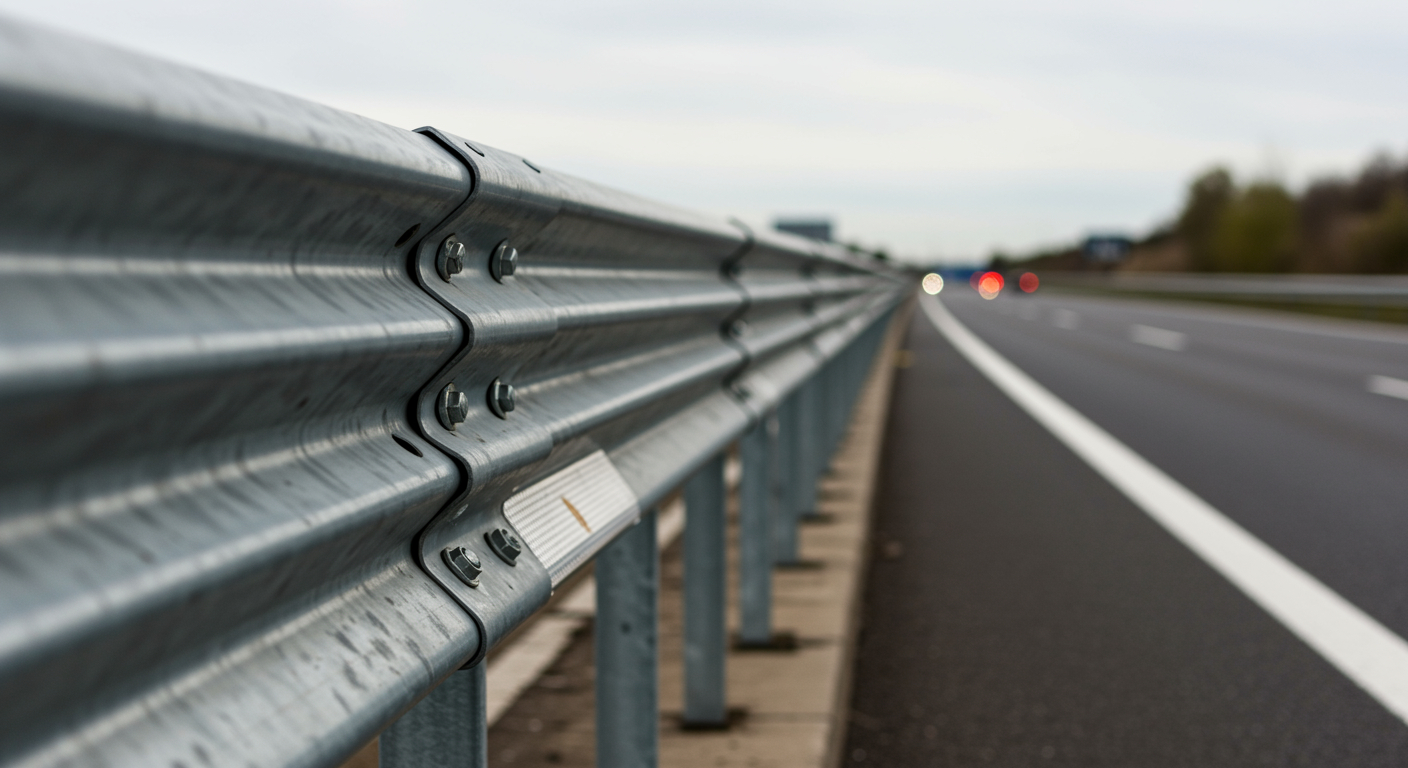
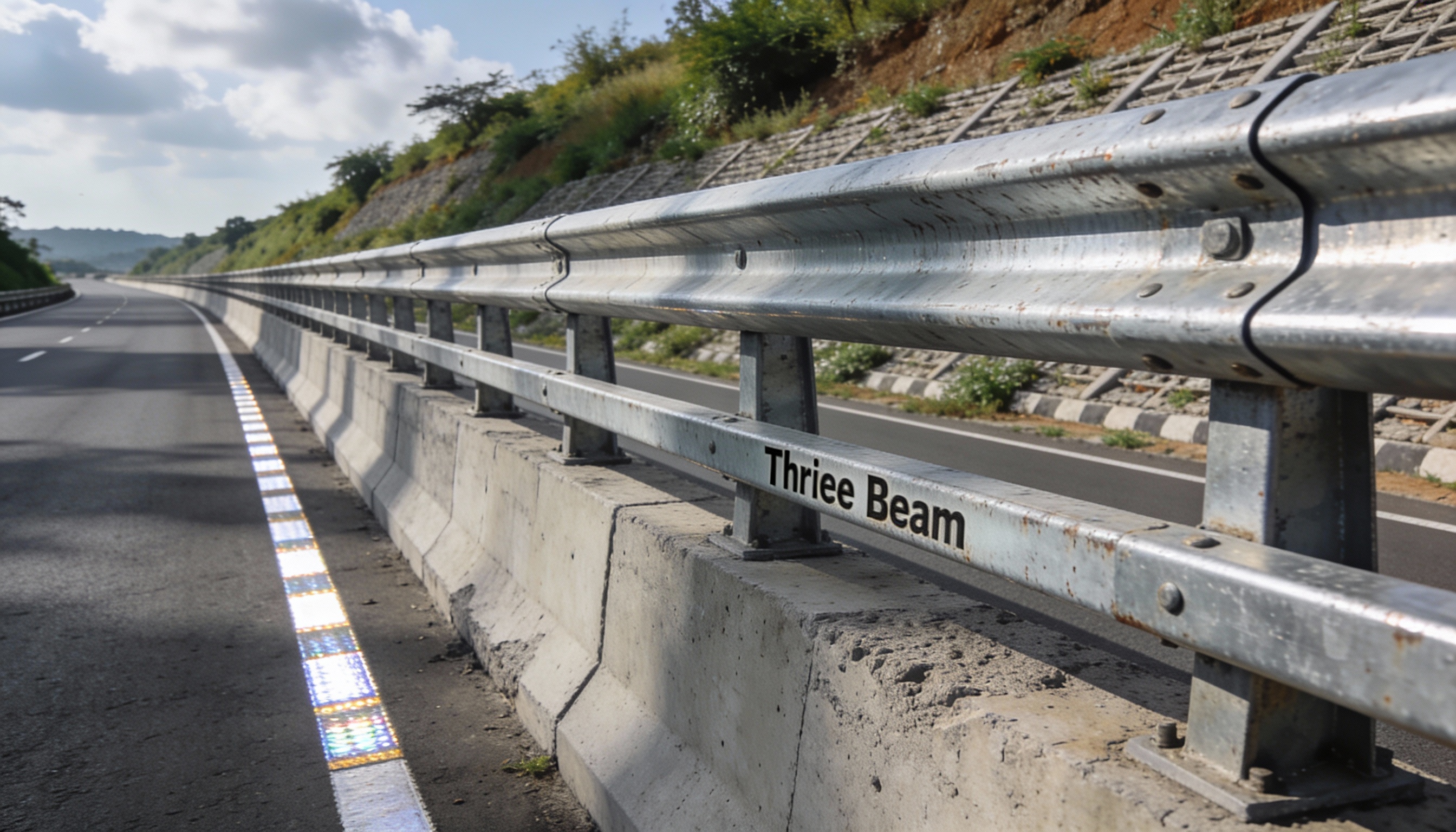
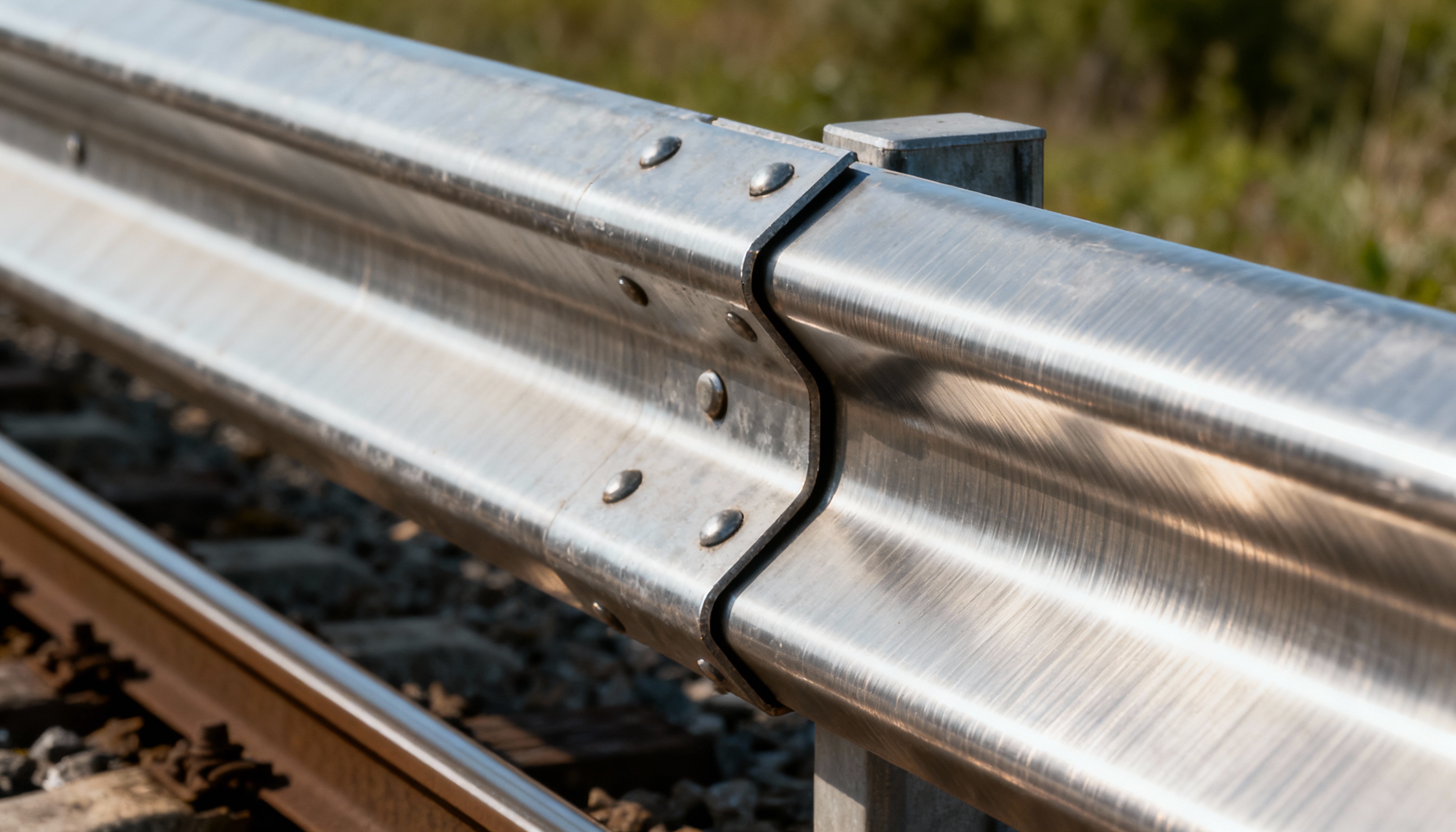
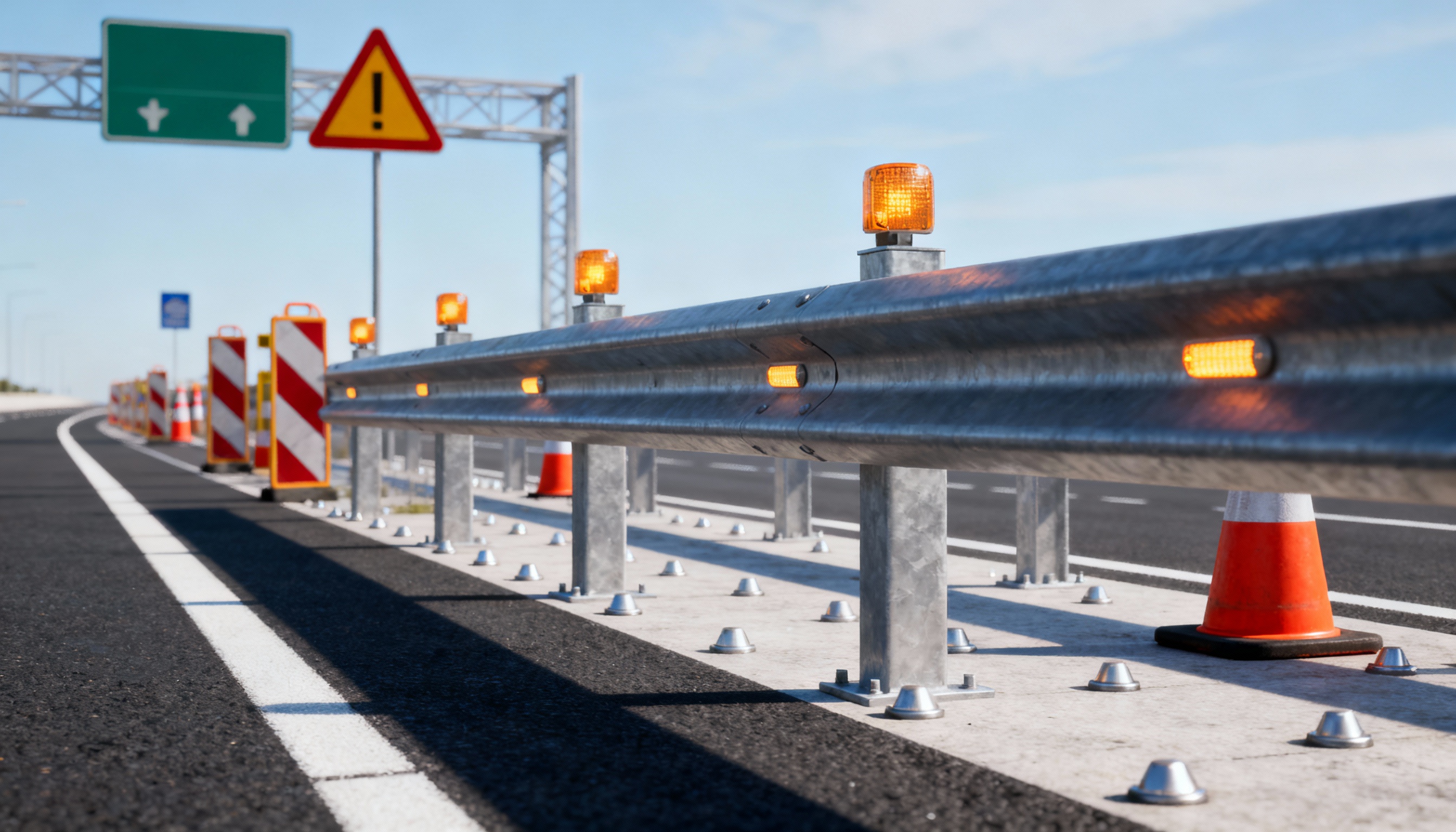
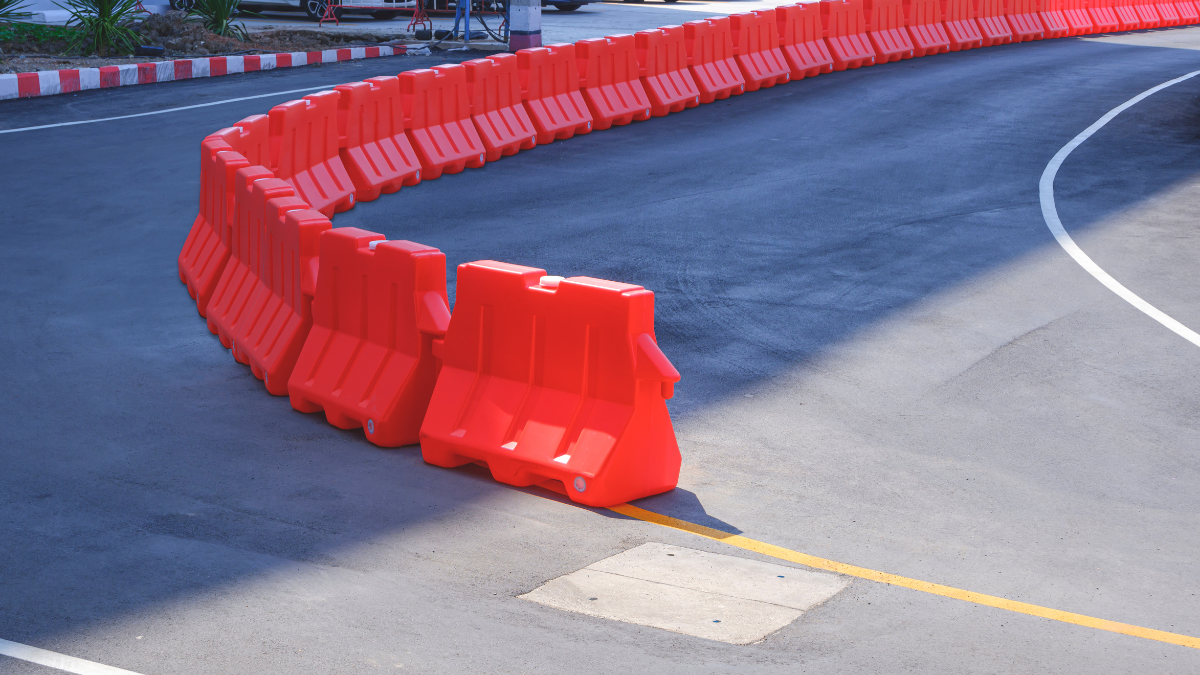
Guard rails are safety railings established along the sides of roads, slopes, and construction sites. The use of guardrails in the construction industry can be linked to temporary or permanent safety barriers that prevent vehicles and pedestrians from accessing dangerous areas.
These rails differ from crash barriers in that guard rails are normally designed to be lighter. The primary function of guard rails is to deflect vehicles and serve as warning barriers. Guard rails in the construction environment assist in managing traffic flow and embalm construction workers from approaching vehicles.
Road Safety and Traffic Management Systems
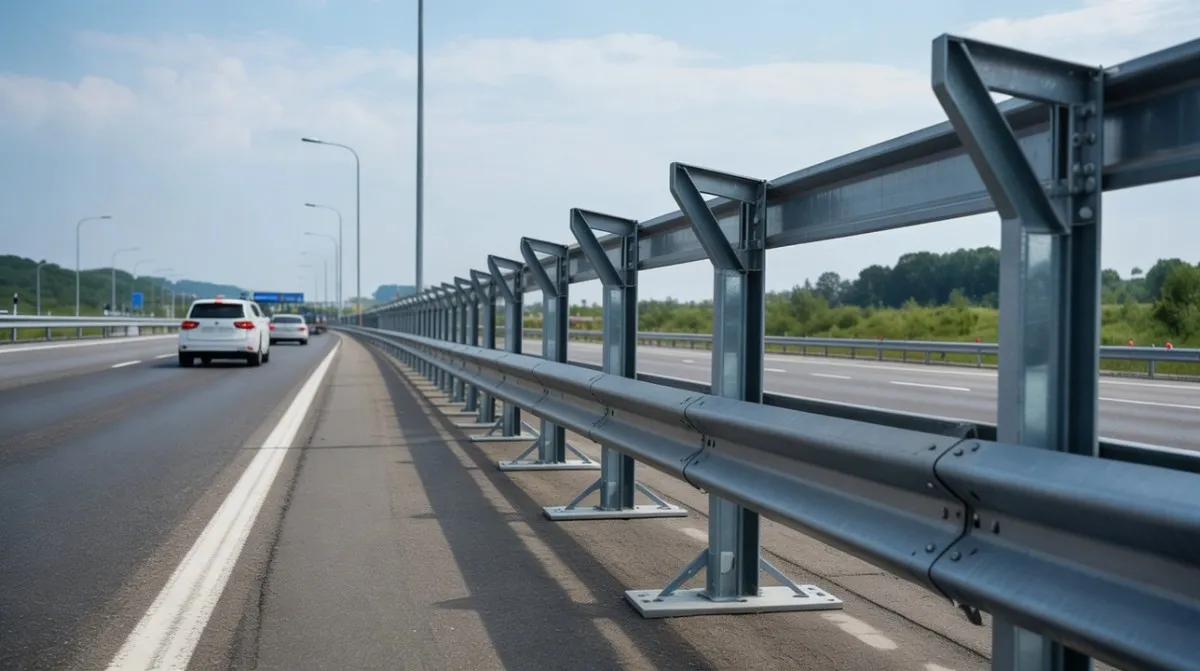
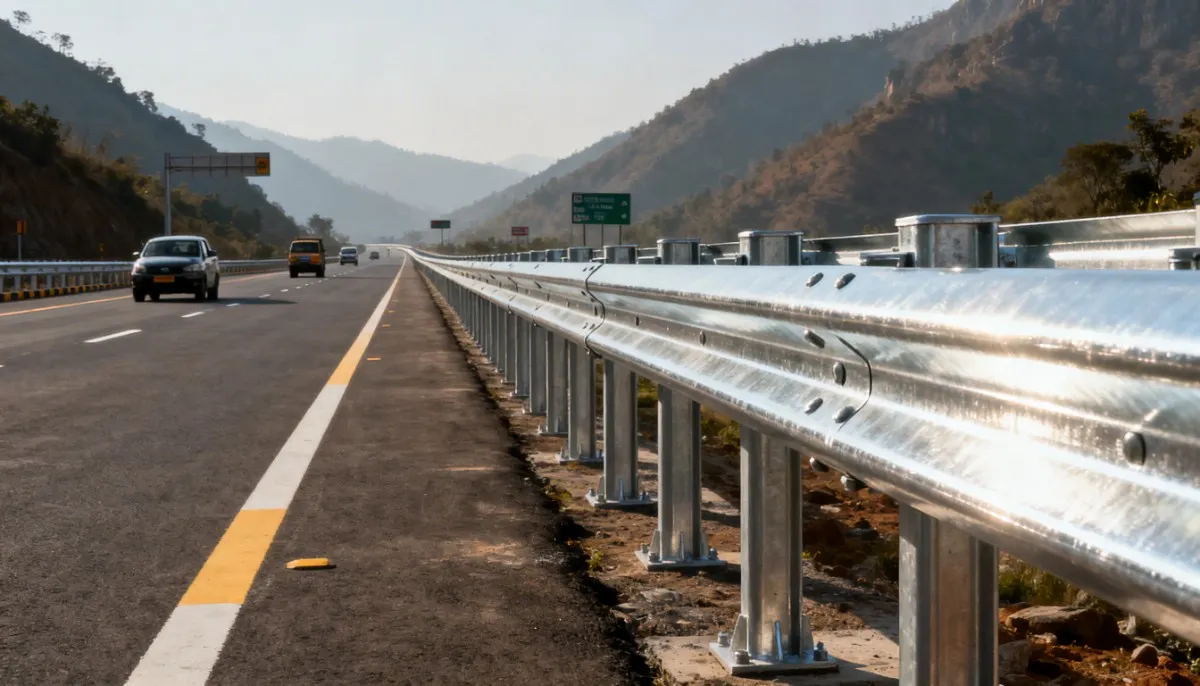
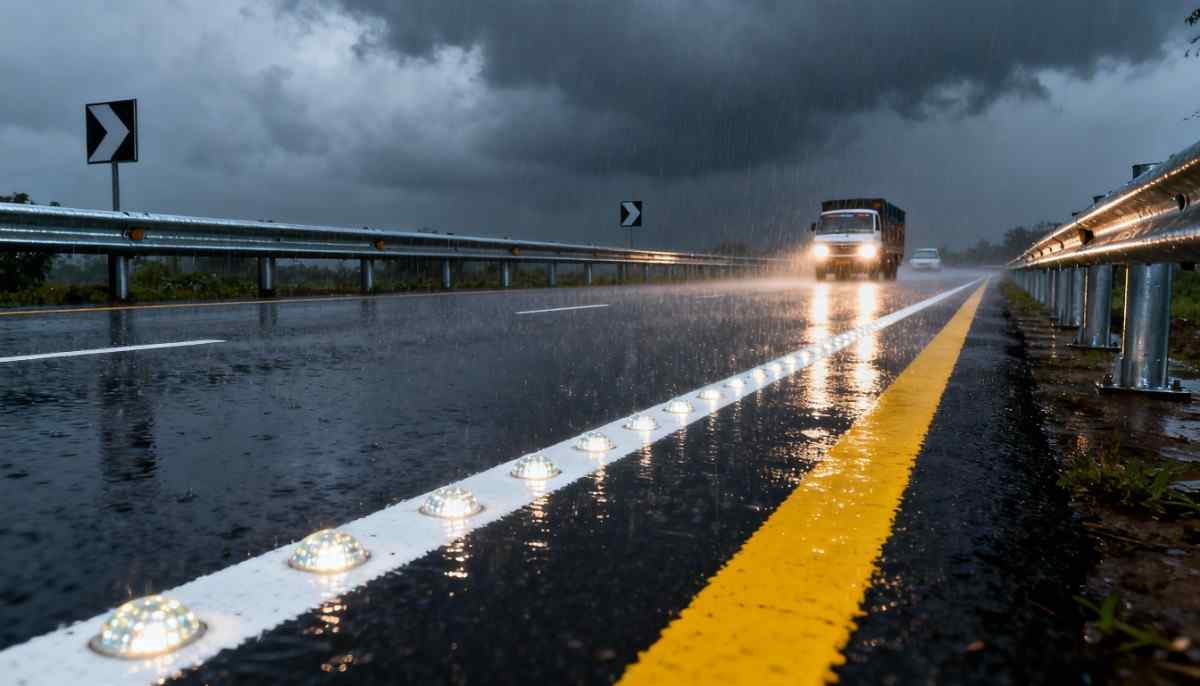
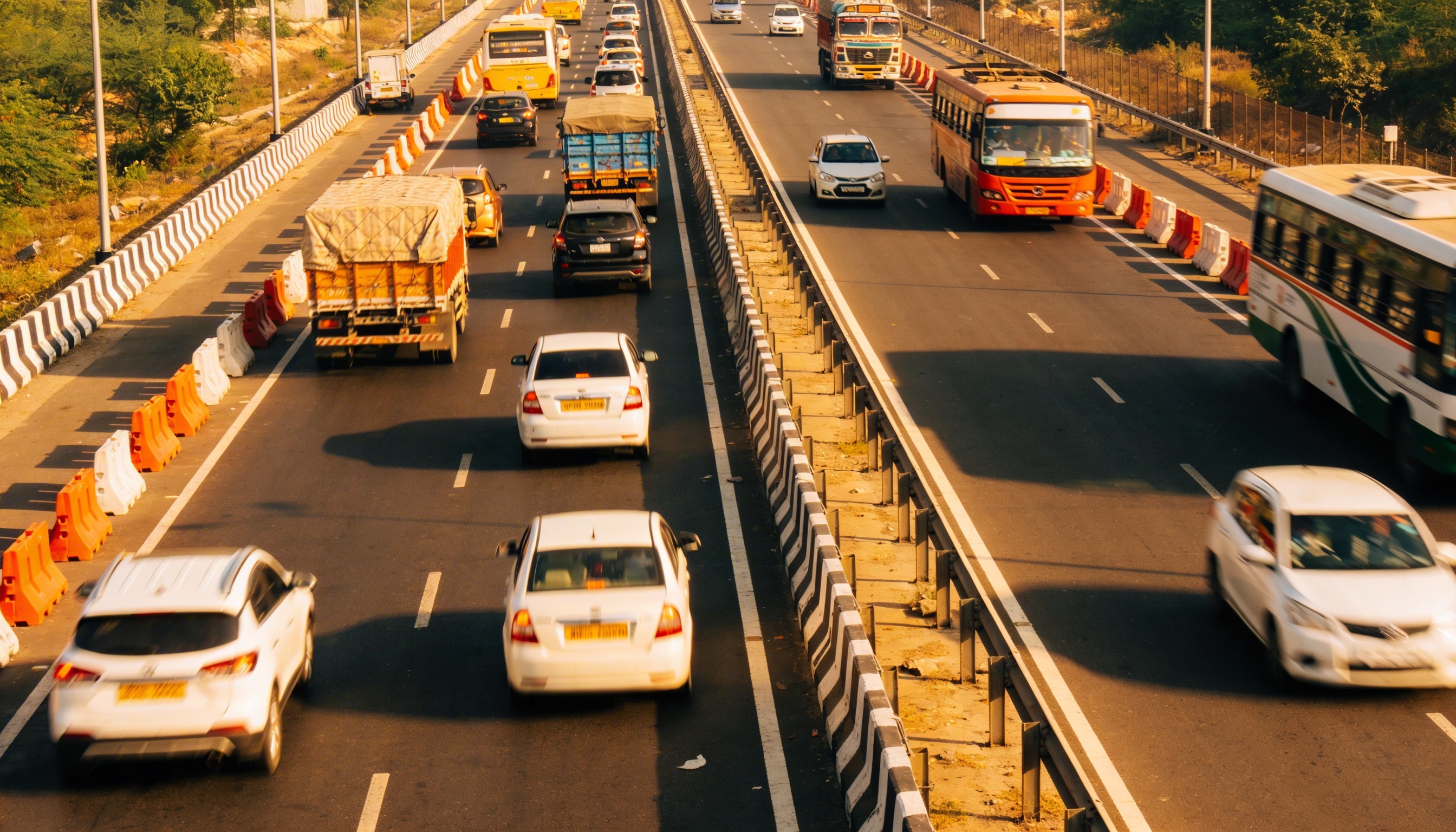
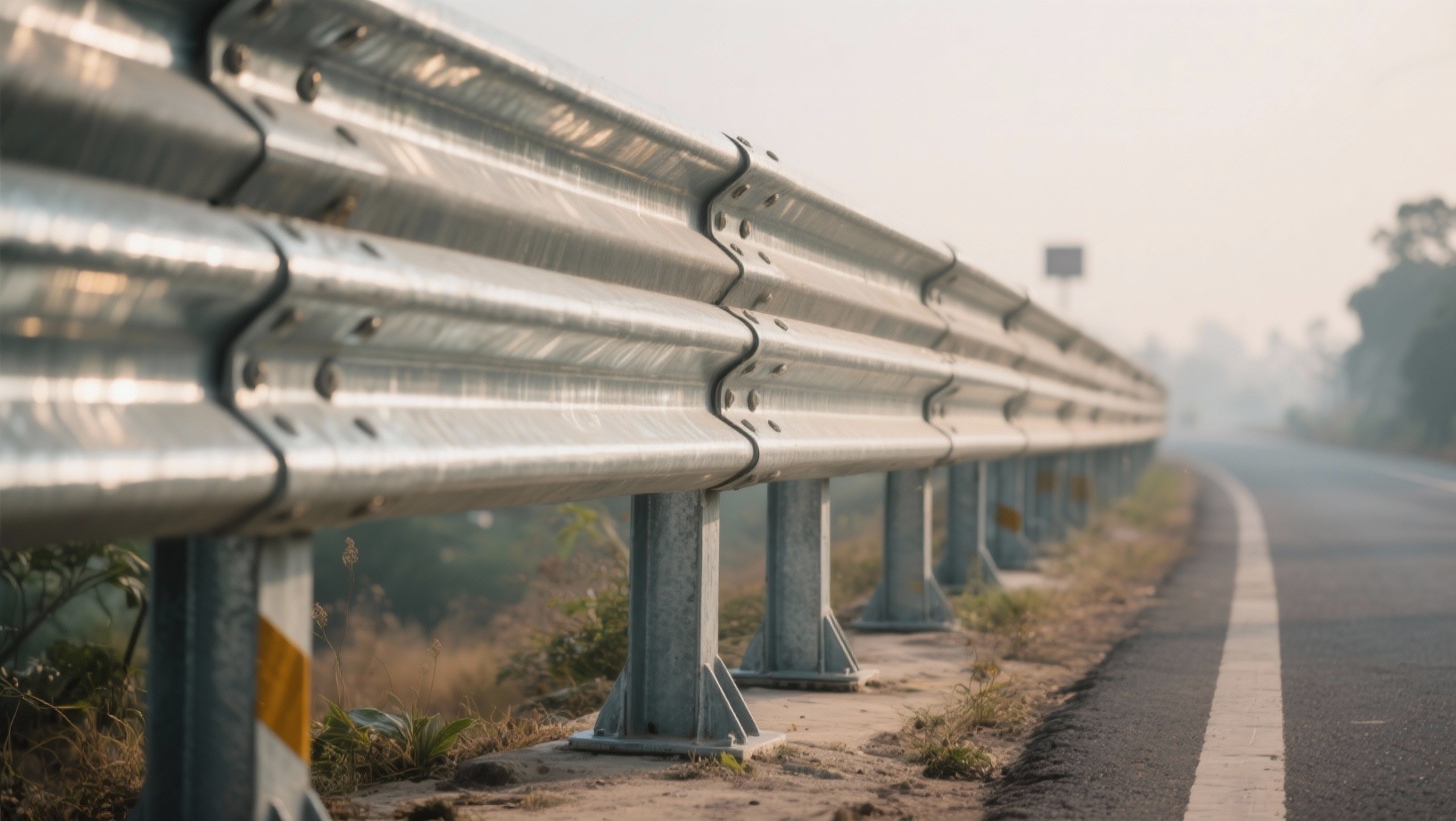
In highways and rural roads, Road Guard Rails are essential in creating order and avoiding accidents. These road guards are normally installed at curves, piers, and sharp turns where vehicles tend to lose control.
The road guard rails form the first line of defense, especially in areas where the speed is moderate. They assist in ensuring that vehicles stay within the necessary limits as they move.
Key Differences Between Crash Barriers and Guard Rails
The basic difference between crash barriers and guard rails is based on their application and strength. Crash barriers are designed to withstand high-impact crashes and are applied in critical areas. Guard rails, on the other hand, give more importance to guidance and basic protection.
Crash barriers are designed to absorb energy during an accident, whereas guard rails are designed to divert vehicles. Crash barriers are also costlier compared to guard rails.
Materials and Structural Design in Modern Safety Engineering
Material choice is very important in safety systems. A good design of a crash barrier on a bridge will employ the use of reinforced steel, concrete, or composite materials that are strong enough to resist tremendous force. This is because of the strength and ability of the material to support weight. The design of the structure is also important in determining the effectiveness of the barrier.
Standards, Testing, and Quality Control
Safety barriers are tested for their capabilities before being sent out for deployment. Top manufacturers of crash barriers perform impact tests, corrosion resistance tests, and load tests
to ensure that their products meet the required standards, such as IRC, EN, or AASHTO. Quality control measures are also in place to ensure that the barriers are installed properly.
Maintenance and Longevity for Better Performance
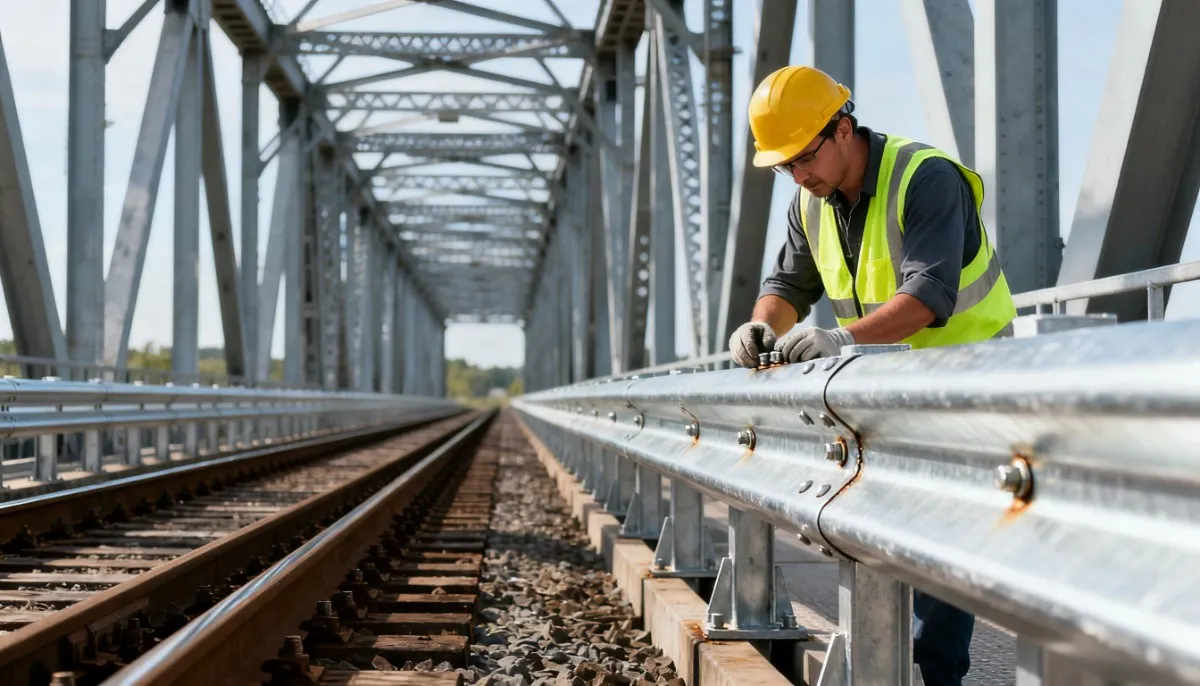
Maintenance is required for the longevity of safety systems. Guard rails on roads should be checked sometimes for rust, bending, or joints. The damaged parts of guard rails should be replaced as soon as possible. Crash barriers should also be checked after an accident to make sure that they are in good condition.
Crash Barriers vs Guard Rails
| Feature | Crash Barriers | Guard Rails |
|---|---|---|
| Primary Purpose | Absorb and control high-impact crashes | Guide vehicles and provide a boundary |
| Strength Level | High | Moderate |
| Common Locations | Bridges, highways, flyovers | Roadsides, construction areas |
| Material Used | Steel, concrete, composites | Steel, aluminum, sometimes plastic |
| Impact Resistance | Very high | Limited to moderate |
Frequently Asked Questions (FAQs)
1. Are crash barriers and guard rails the same?
Ans. No, crash barriers are designed for high-impact protection, while guard rails mainly guide and restrict vehicle movement.
2. Where are crash barriers usually installed?
Ans. They are commonly found on bridges, expressways, sharp curves, and elevated roads.
3. Can guard rails stop heavy vehicles?
Ans. Guard rails offer limited resistance and may not stop heavy vehicles at high speeds.
4. How often should safety barriers be inspected?
Ans. Ideally, they should be inspected every 6–12 months and after major accidents.
5. Who decides which barrier to use?
Ans. Traffic engineers and infrastructure planners select barriers based on road design, traffic volume, and risk factors.
Conclusion
Crash barriers and guard rails are both important in ensuring road safety. However, they are intended for different levels of safety. Crash barriers are intended for severe crashes in high-risk areas, while guard rails are intended for guiding traffic and providing moderate safety and also help guard rails in construction. With this information, one is able to make the right decisions in order to improve transport safety. For more info contact us. We are the best Crash Barrier Manufacturers.
- FEBRUARY 12, 2026
- By Admin
- FEBRUARY 12, 2026
- By Admin
- FEBRUARY 12, 2026
- By Admin
- FEBRUARY 12, 2026
- By Admin
- FEBRUARY 12, 2026
- By Admin
- FEBRUARY 12, 2026
- By Admin
- FEBRUARY 12, 2026
- By Admin
- FEBRUARY 12, 2026
- By Admin
- FEBRUARY 12, 2026
- By Admin
- FEBRUARY 12, 2026
- By Admin

- FEBRUARY 12, 2026
- By Admin
- FEBRUARY 12, 2026
- By Admin
- FEBRUARY 12, 2026
- By Admin

- FEBRUARY 12, 2026
- By Admin

- FEBRUARY 12, 2026
- By Admin
- FEBRUARY 12, 2026
- By Admin
- FEBRUARY 12, 2026
- By Admin
- FEBRUARY 12, 2026
- By Admin
- FEBRUARY 12, 2026
- By Admin
- FEBRUARY 12, 2026
- By Admin

- FEBRUARY 12, 2026
- By Admin
- FEBRUARY 12, 2026
- By Admin
- FEBRUARY 12, 2026
- By Admin

- FEBRUARY 12, 2026
- By Admin