

Importance of Crash Barriers on Highways
- FEBRUARY 21, 2026
- By Admin
The highways are the most important part of today’s transport system, connecting cities, industries, and communities. Every day, thousands of vehicles rush on these highways at extremely fast speeds. While safety is the primary concern, among various safety systems on the highways, the role of crash barriers is vital in avoiding major road accidents and saving lives.
In this blog, we will explore the importance of crash barriers on highways, the different kinds of crash barriers, their advantages, and ultimately how they can enhance road safety.
Introduction to Crash Barriers
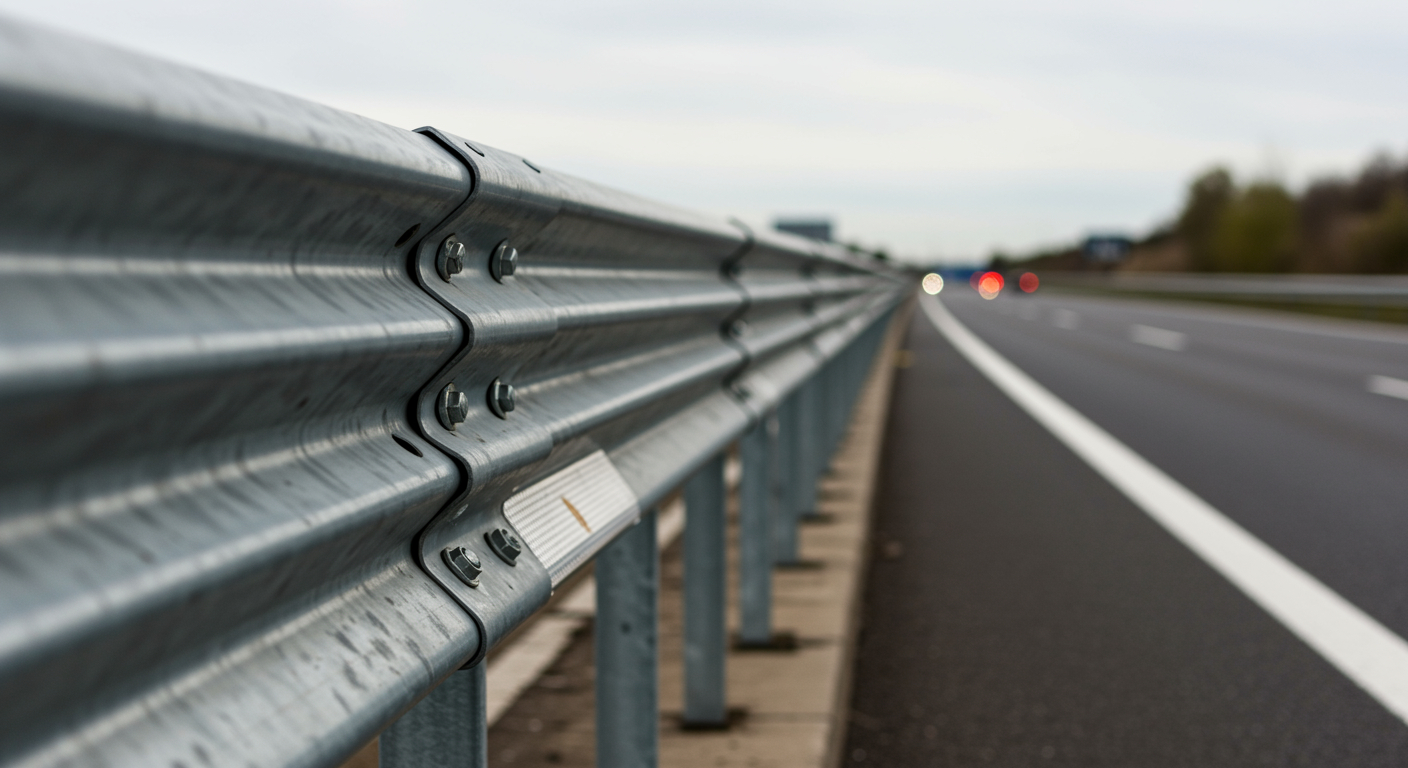
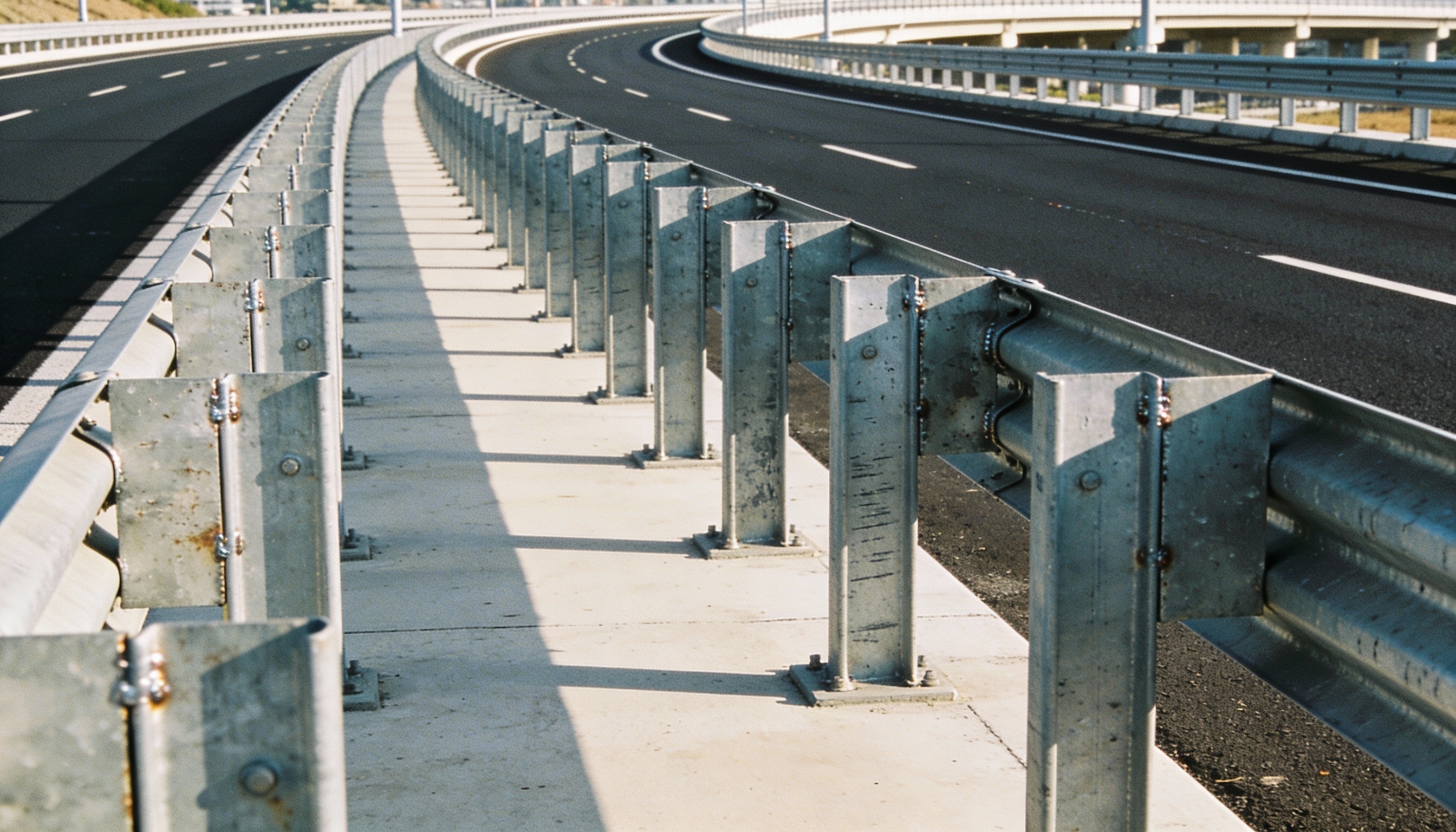
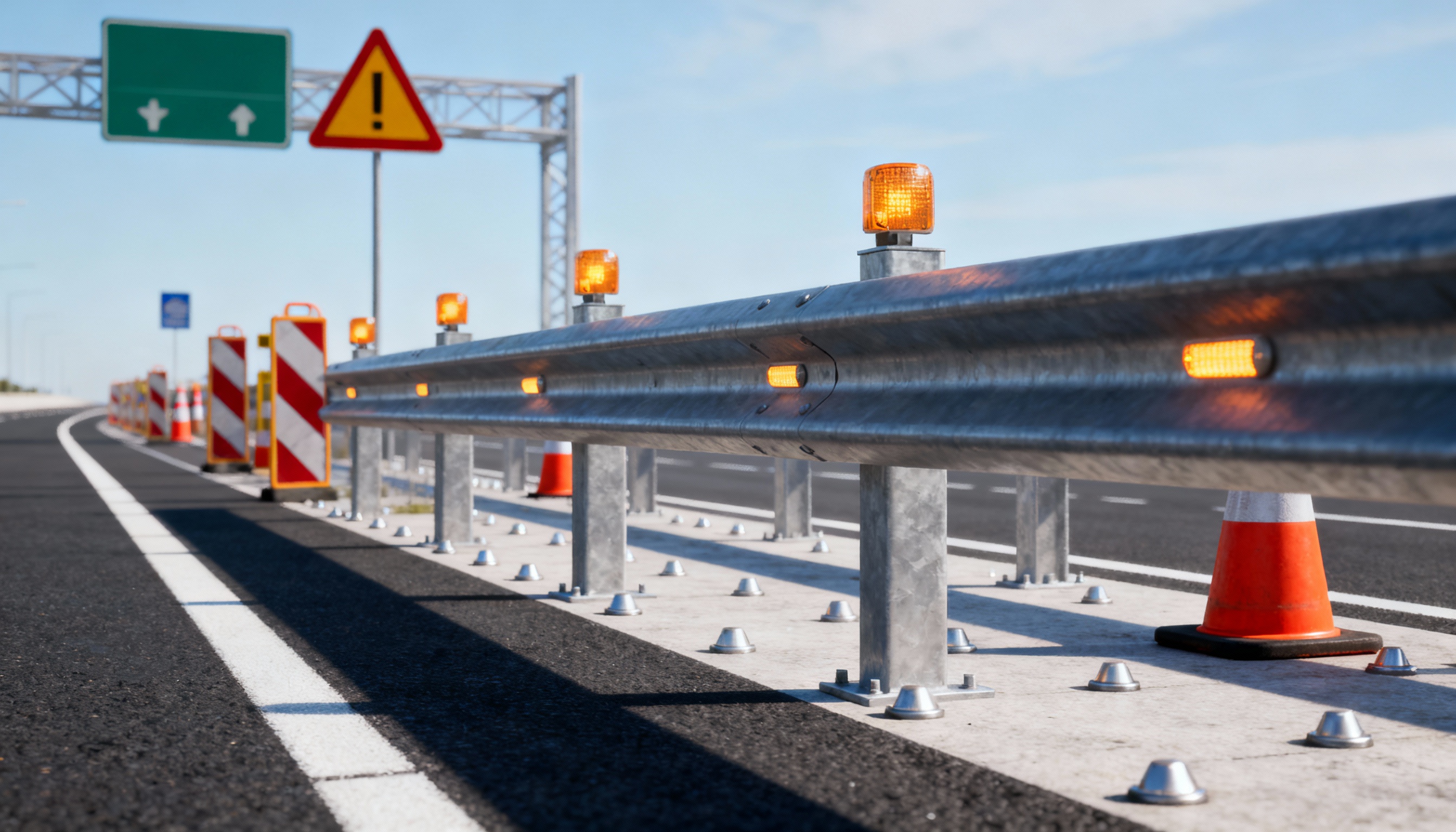
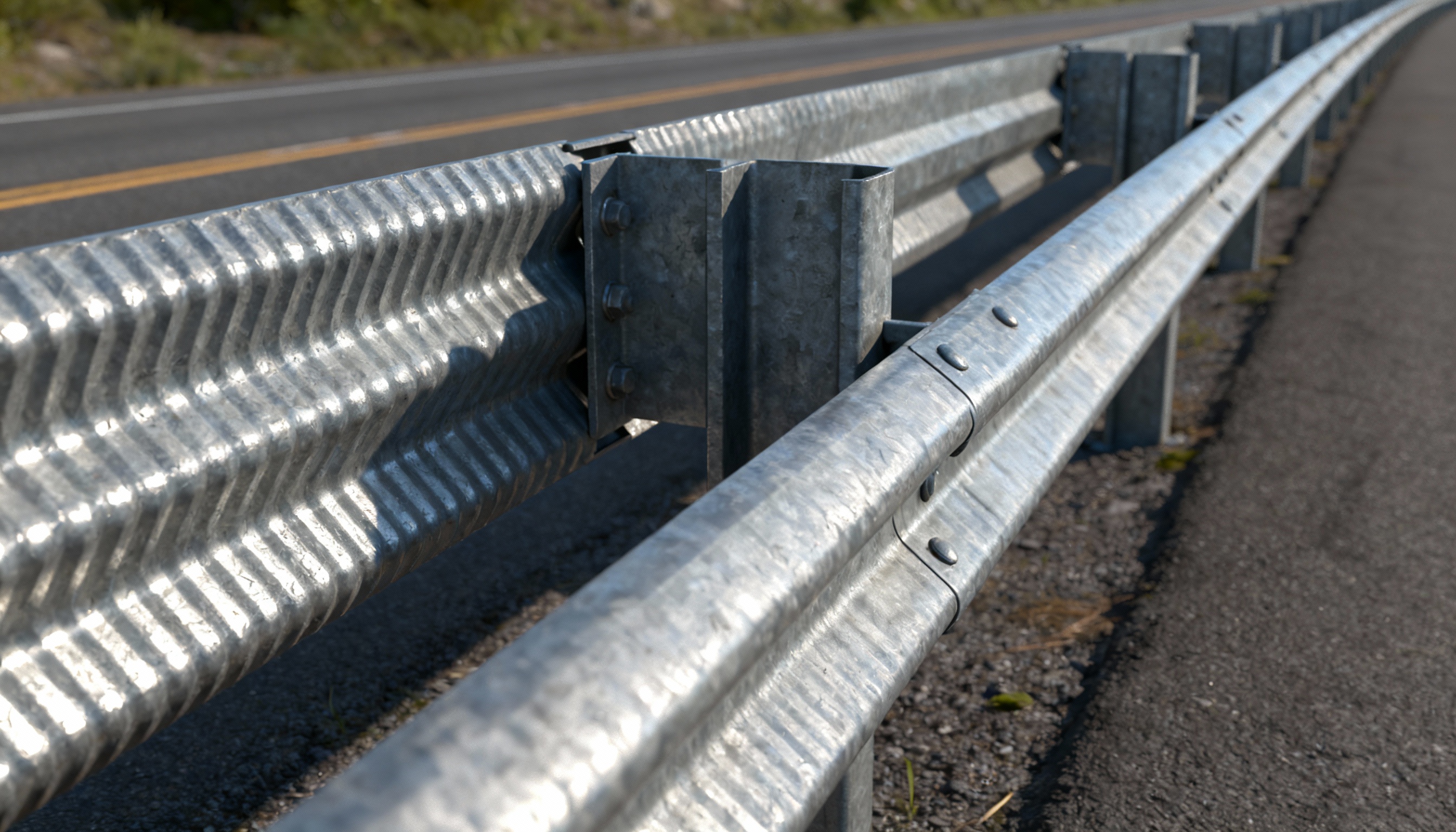
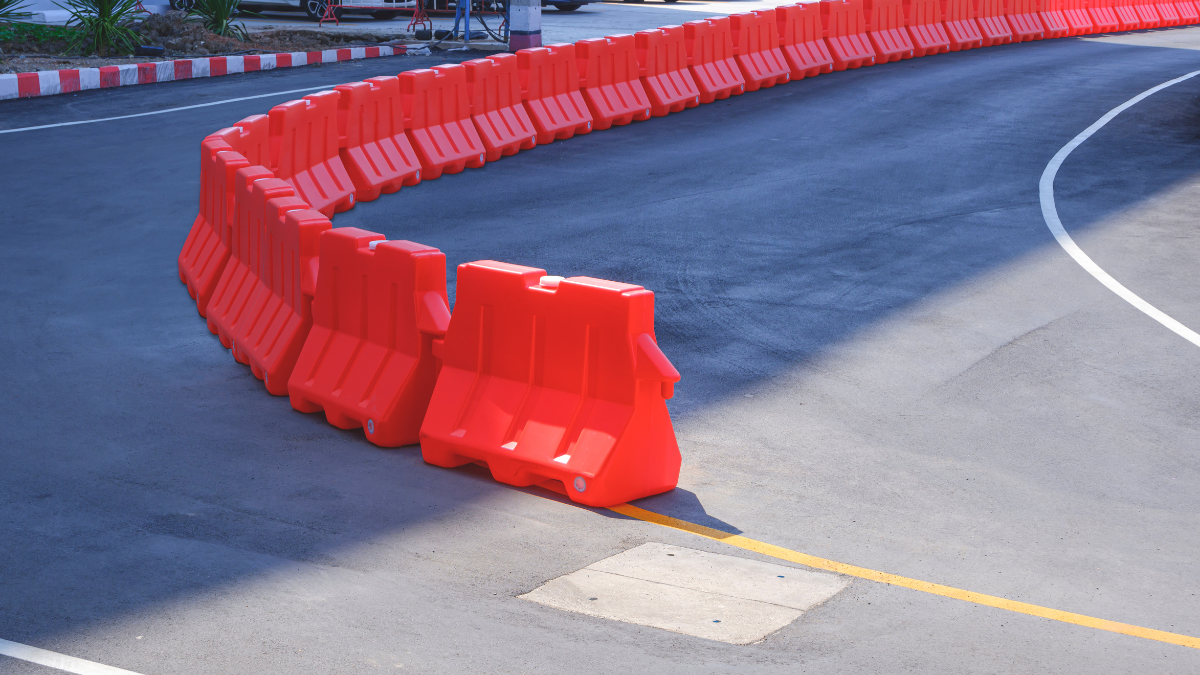
Crash Barriers are like shields on the side of the road, which are designed to stretch along the shoulders, medians, bridges, and curves of the road in order to prevent the vehicle from skidding off course. Their main purpose is to absorb crash energy and steer the vehicle safely onto the road.
Designed to withstand high-speed crashes, they minimize the damage to drivers and travelers alike, and they help shackle vehicles to the highways of today in spins, twists, and turns, including going over bridges.
How Can Crash Barriers Contribute to Highway Safety?
Safety measures are vital on highways as they remain busy with traffic at all hours. Crash barriers help to save driver safety in the following ways:
- Damping the blow when collisions happen
- Shielding pedestrians and infrastructure
- Providing drivers with a sense of security
- Cutting down on property damage
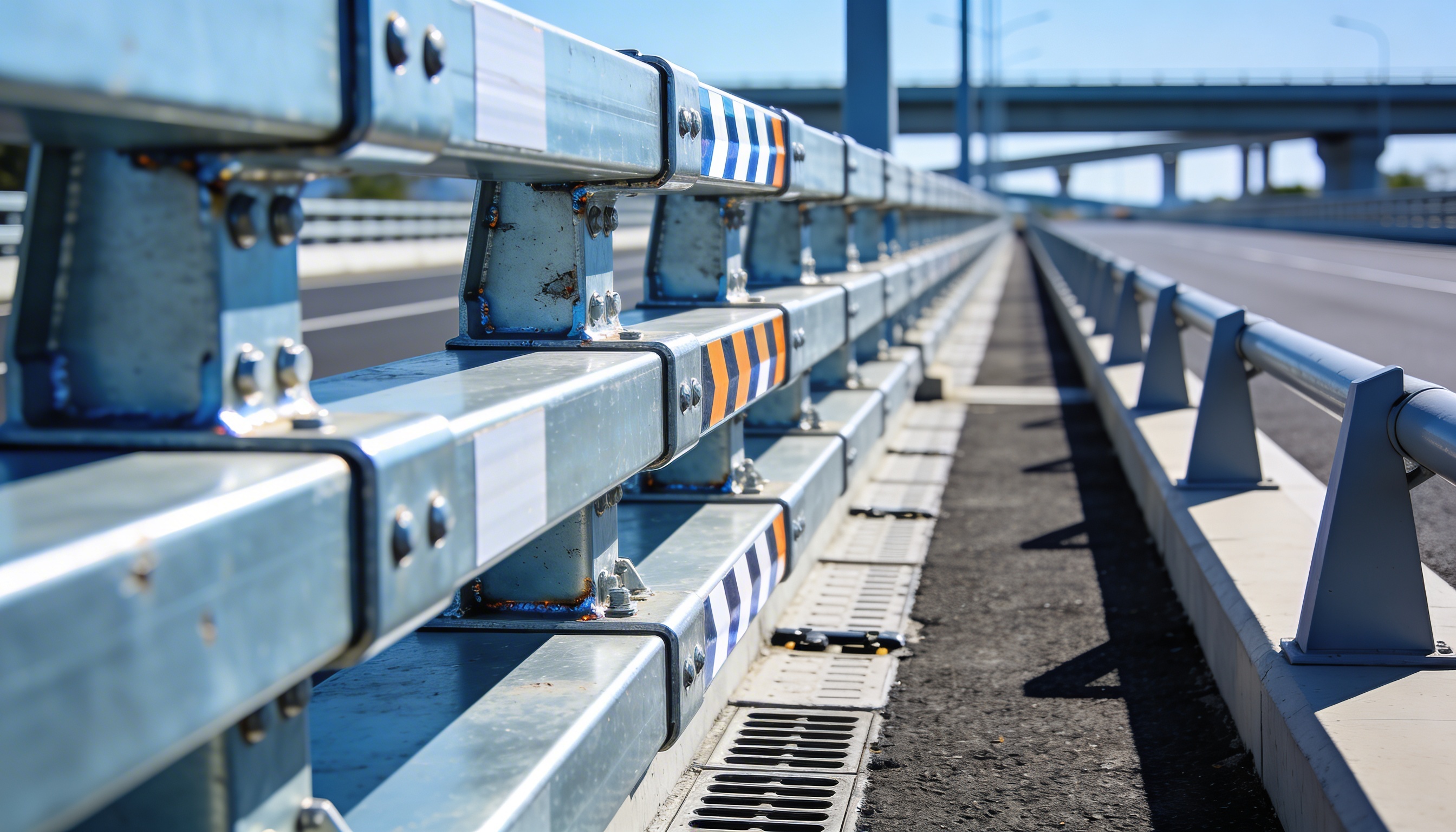
In areas such as flyovers and river bridges, the role of the bridge crash barrier is important. It ensures that vehicles do not swerve off the edge and keeps humans safe around the clock.
Role of Crash Barriers in Bridges and Elevated Roads
Bridges and raised expressways are invariably high above ground, a place where wind, altitude, and space combine in a negligible mistake with serious consequences. An ideal crash barrier in bridge provides assurance, as it must serve several functions:
- Absorbs the impact forces from a collision
- It prevents vehicles from slipping over the edge
- It guides vehicles back toward the roadway
- It reinforces the whole structural safety of the span
Which Materials Is Used in Crash Barriers?
In practice, crash barriers apply from low to high traffic flow and road design, considering the natural environment of the place. Materials usually used include steel, concrete, aluminum, and a hybrid system.
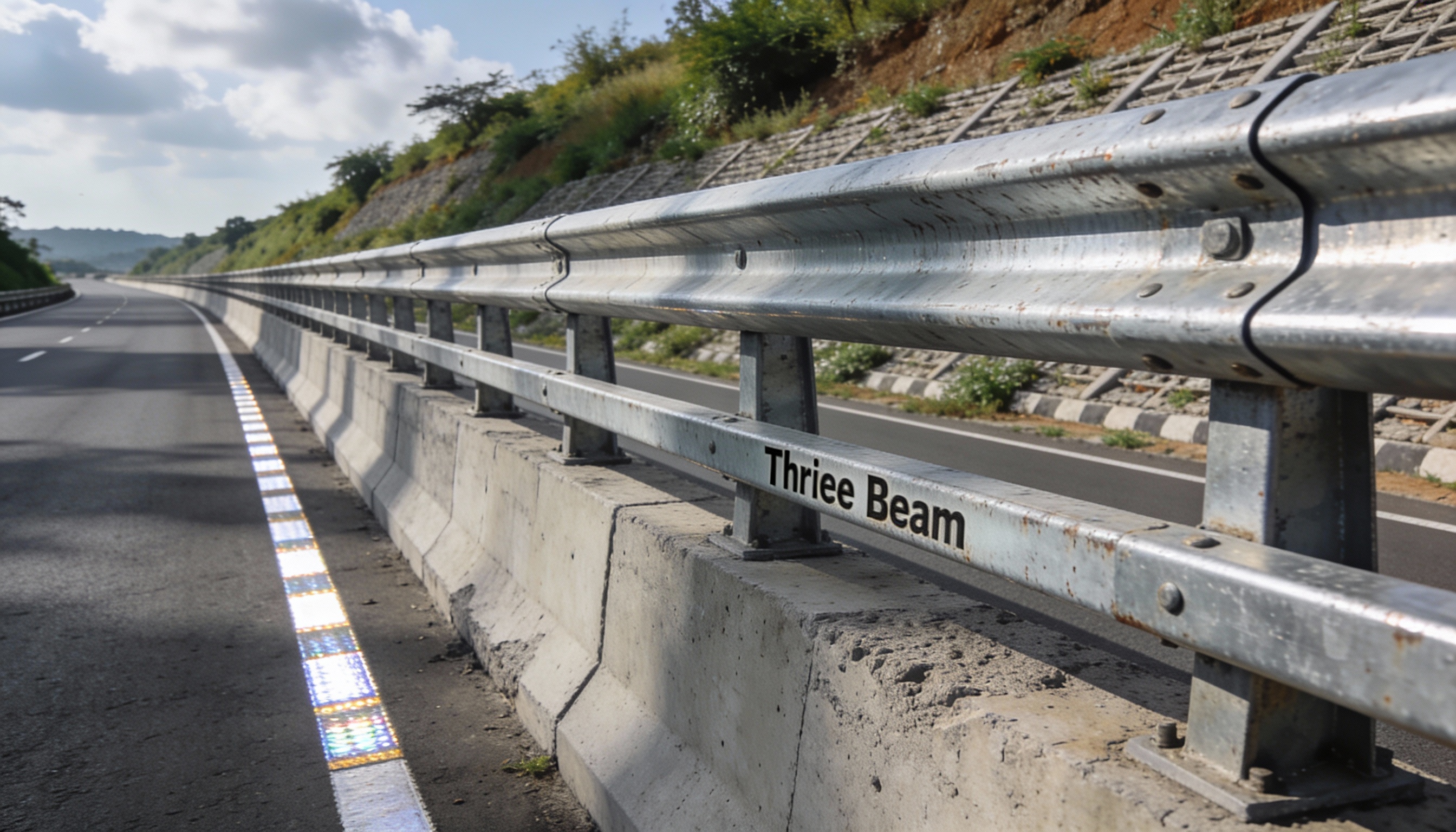
Of those, Crash Barrier Concrete has gained a reputation for strength and durability. It is commonly used in heavy-traffic flow, high-speed traffic highways. Additionally, its resistance to weather, corrosion, and long-term wear reduces the maintenance cost, hence becoming feasible for both government and private projects.
Crash Barriers Installation Benefits on Highways
Installing crash barriers offers multiple benefits for road users and the system.
Some of the key advantages of installing crash barriers:
Safety Benefits
- Reduces fatal and serious injuries
- Controls vehicle movement during accidents
- Prevents secondary collisions
Economic Benefits
- Lowered accident-related expenses
- Reduces vehicle damage
- Minimizes road repair expenses
Operational Benefits
- Improves traffic flow
- Enhances road discipline
- Supports better highway management
Overall, crash barriers are the best investment in long-term safety and system development.
Comparison Table of Crash Barrier Types
|
Type of Crash Barrier |
Material Used |
Best Suitable For |
Durability |
Maintenance |
|
Steel Barrier |
Galvanized Steel |
Highways, Curves |
High |
Medium |
|
Concrete Barrier |
Reinforced Concrete |
Medians, Bridges |
Very High |
Low |
|
Cable Barrier |
Steel Cables |
Rural Highways |
Medium |
High |
|
Hybrid Barrier |
Steel + Concrete |
Urban Roads |
High |
Medium |
How to Choose the Right Crash Barriers?
Selecting the right crash barrier depends on various factors. Before planning to buy crash barrier, various considerations need to go specifically into how much movement occurs on the road, as well as the speed limit.
- Traffic volume
- Vehicle speed
- Road geometry
- Accident history
- Budget availability
Important points to remember:
- always Choose certified products
- check compliance with safety standards
- Check installation guidelines
- Verify manufacturer credibility
When you buy a crash barrier from a reliable supplier, always check durability and long-term performance.
About Crash Barrier Maintenance and Durability
The crash barriers should be checked or maintained all the time, as the one-time accident or mishappening can decrease their strength.
Well-maintained barriers continue to provide protection and reduce accidents for many years.
Conclusion
Crash barriers are an important part of highway safety systems. They save drivers, passengers, and infrastructure from deep damage. Whether it is on straight roads, curves, or bridges, these barriers play an important role in reducing accident risks.
In recent times, with the help of engineering technology, crash barriers are good, more reliable, and more efficient than ever before. Investing money in safety systems is not foolish; the great work we can do with it not only prevents tragedies but also helps in the sustainable development of transportation systems.
Therefore, if you’re looking to buy crash barriers of premium quality, guardrails, and other safety systems, look no further. We are your reliable partner, offering you quality-tested, quality-approved, and value-for-money safety products conforming to industry standards.
Frequently Asked Questions (FAQs)
1. What is the main purpose of crash barriers?
Ans: Crash barriers are designed to prevent vehicles from leaving the roadway and to reduce the impact of accidents, thereby saving lives and minimizing damage.
2. Where are crash barriers usually installed?
Ans: They are commonly installed on medians, curves, bridges, flyovers, sharp turns, and road edges with high accident risk.
3. Which type of crash barrier is most durable?
Ans: Crash barriers concrete are considered the most durable due to their high strength and resistance to weather and impact.
4. How often should crash barriers be inspected?
Ans: Crash barriers should be inspected at least once every six months and immediately after major accidents.
5. Can damaged crash barriers be repaired?
Ans: Minor damage can be repaired, but severely damaged sections should be replaced to maintain safety standards.

- FEBRUARY 21, 2026
- By Admin

- FEBRUARY 21, 2026
- By Admin
- FEBRUARY 21, 2026
- By Admin
- FEBRUARY 21, 2026
- By Admin

- FEBRUARY 21, 2026
- By Admin
- FEBRUARY 21, 2026
- By Admin
- FEBRUARY 21, 2026
- By Admin

- FEBRUARY 21, 2026
- By Admin
- FEBRUARY 21, 2026
- By Admin

- FEBRUARY 21, 2026
- By Admin

- FEBRUARY 21, 2026
- By Admin
- FEBRUARY 21, 2026
- By Admin
- FEBRUARY 21, 2026
- By Admin

- FEBRUARY 21, 2026
- By Admin

- FEBRUARY 21, 2026
- By Admin
- FEBRUARY 21, 2026
- By Admin
- FEBRUARY 21, 2026
- By Admin
- FEBRUARY 21, 2026
- By Admin

- FEBRUARY 21, 2026
- By Admin
- FEBRUARY 21, 2026
- By Admin

- FEBRUARY 21, 2026
- By Admin

- FEBRUARY 21, 2026
- By Admin
- FEBRUARY 21, 2026
- By Admin

- FEBRUARY 21, 2026
- By Admin