

Road Guardrails Explained: Everything You Need to Know About Safety Barriers
- FEBRUARY 09, 2026
- By Admin
The morning of 28th January saw the sad demise of the deputy CM of Maharashtra—Mr. Ajeet Pawar. He was in a plane crash that killed him and 5 others present on the plane. Unfortunately, the crash in the air could not be avoided, but if you are looking for world-class quality guardrails that could prevent accidents on the road, this blog is for you.
With India’s increasing population, GDP and growth, the number of vehicles on the road and the number of pedestrians continue to rise. With such a rise in every aspect, the number of safety measures introduced by the government and private platforms is increasing too. One of the most effective of all is the road guardrail. This safety barrier controls the movement of vehicles, reducing accidents and saving pedestrians on the road. Apart from being used almost everywhere, they are especially beneficial on highways, expressways, and areas with high traffic. The following guide should, by the time it reaches the end, persuade you to invest in quality guard rails.
Understanding the Definition and Working of Road Guardrails
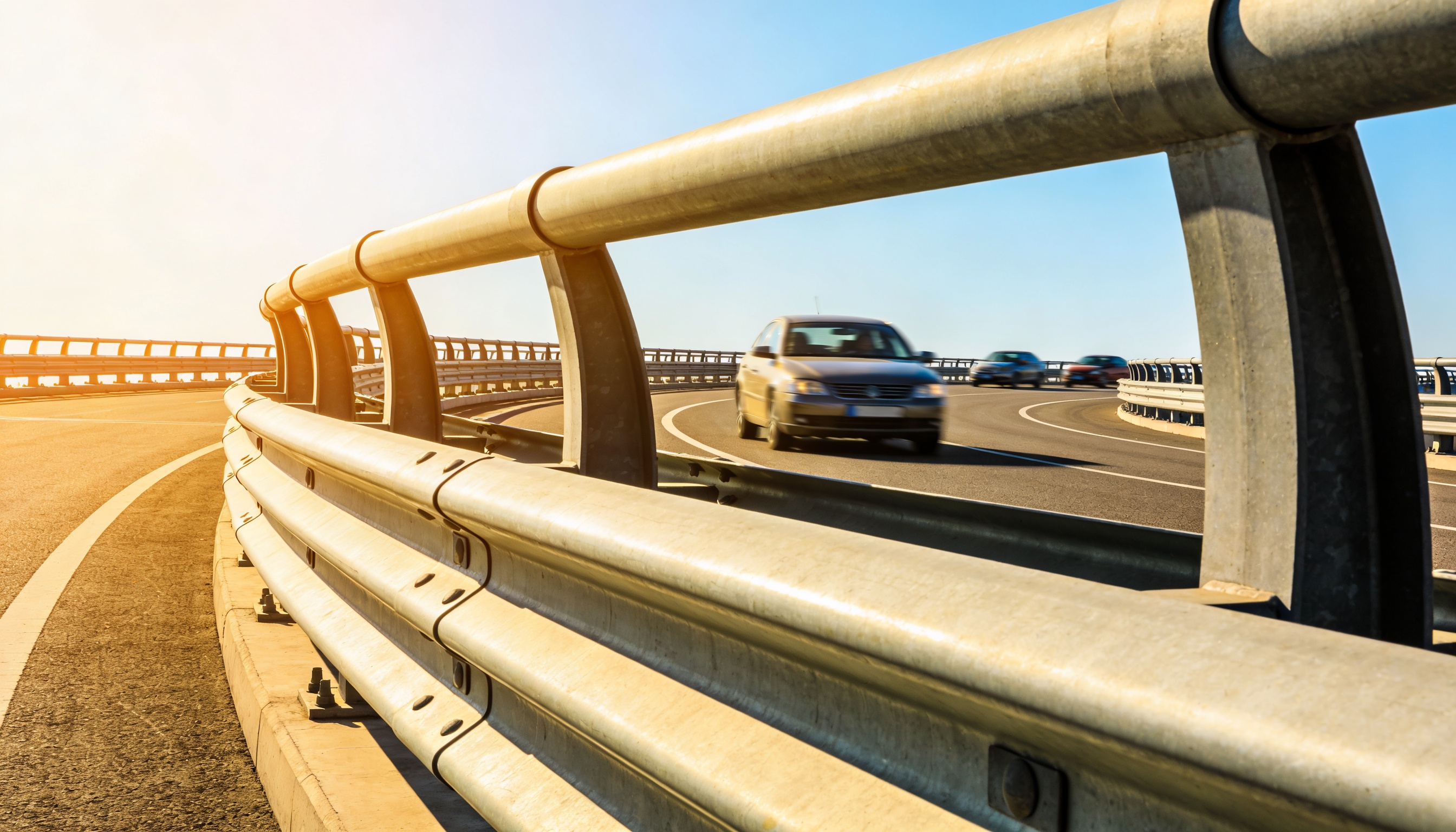
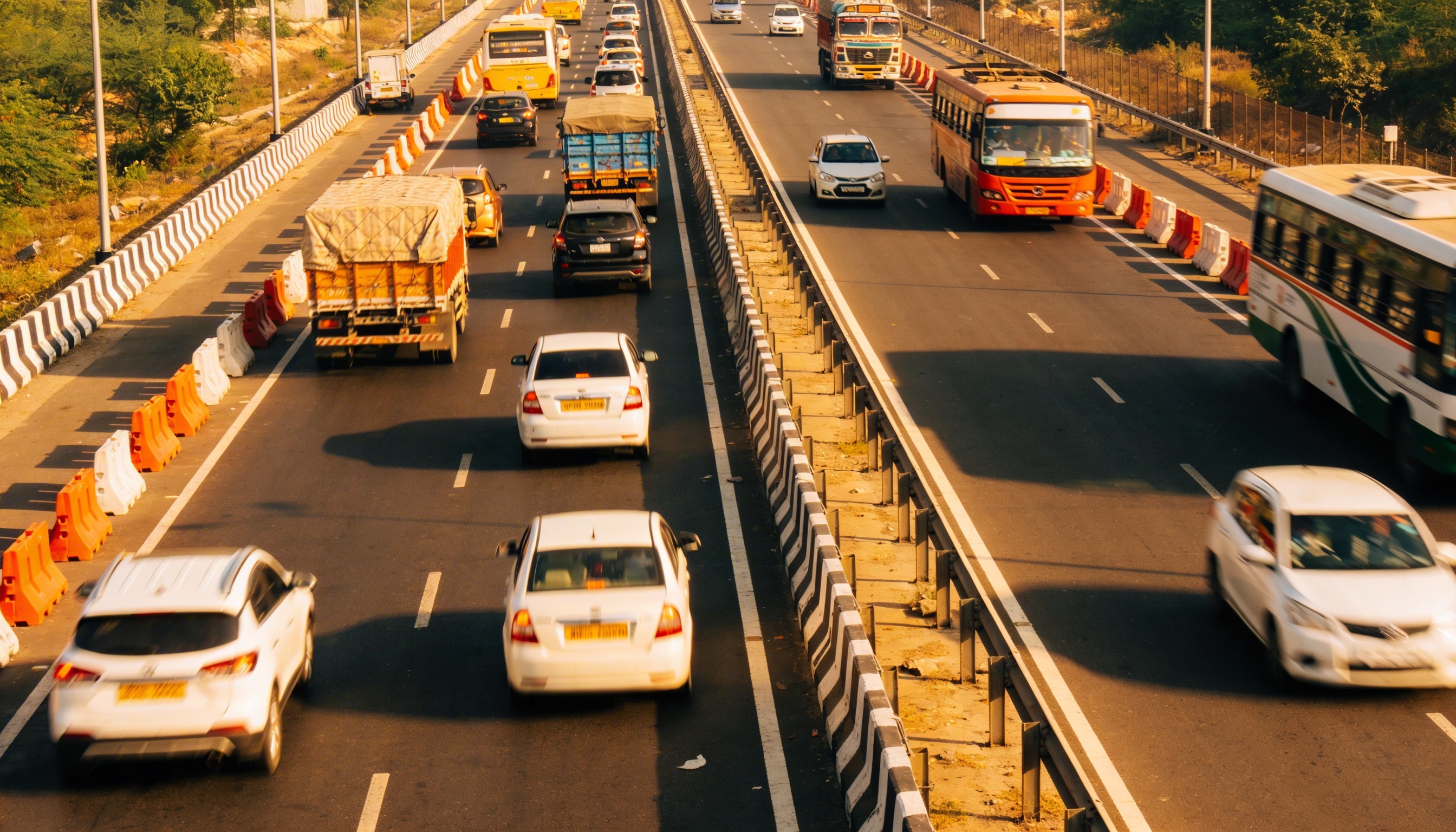
Road Guardrails come under the wider category of safety barrier systems. Often, while travelling for trips or commuting to the workplace on roads, bridges, and flyovers, you must have come across the physical barriers that let the vehicles stay in their lanes.
On collision, this barrier absorbs the impact and lowers the kinetic force while at the same time diverting the vehicle back on the road. This is especially true with the modern guardrail systems. They are sturdier and deform in a much more controlled manner. They also lower the impact of the accident on the commuters sitting inside the vehicle.
How effective a road guardrail is depends on the following:
- Material selection can save the day by leaps and bounds. Decide before on what type of guardrail you invest in.
- The installation height is another important factor. Some areas, like residential ones near highways, can work well with shorter heights, whereas guard rails on highways and bridges should have taller installation heights.
- Another important factor, or if I may say, the most important factor, is the speed of the traffic on the road. Vehicles just zoom with the speed of light on expressways and related areas. Such areas should have sturdier road rails with proper post spacing between them.
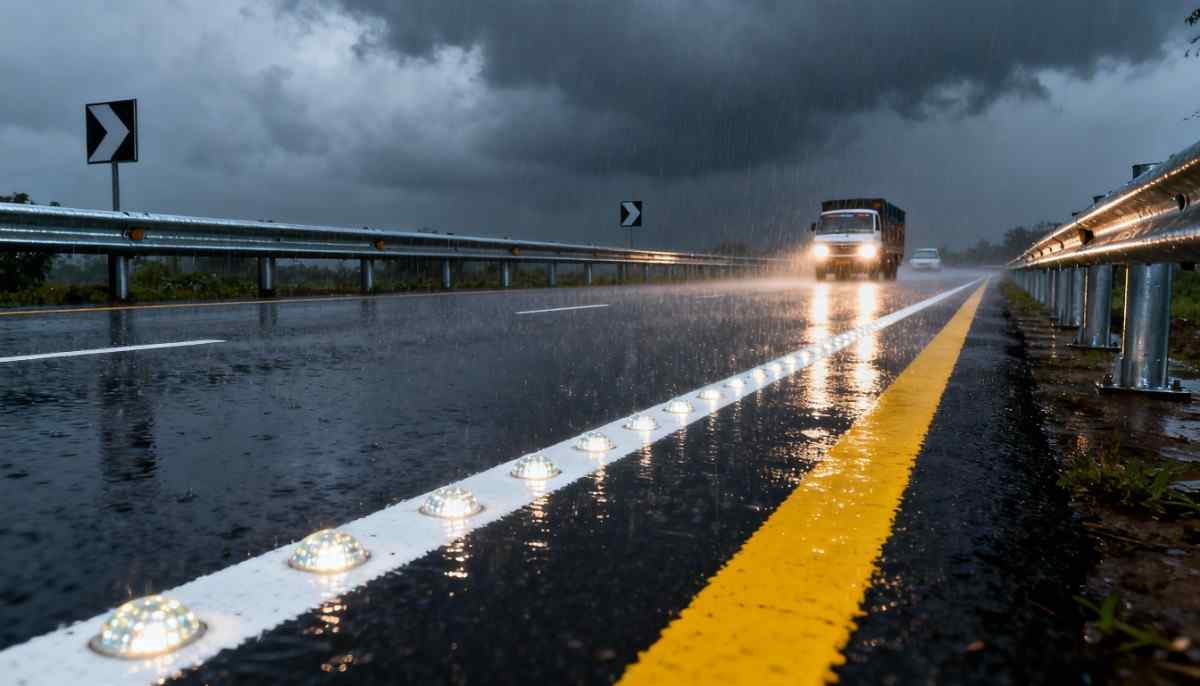
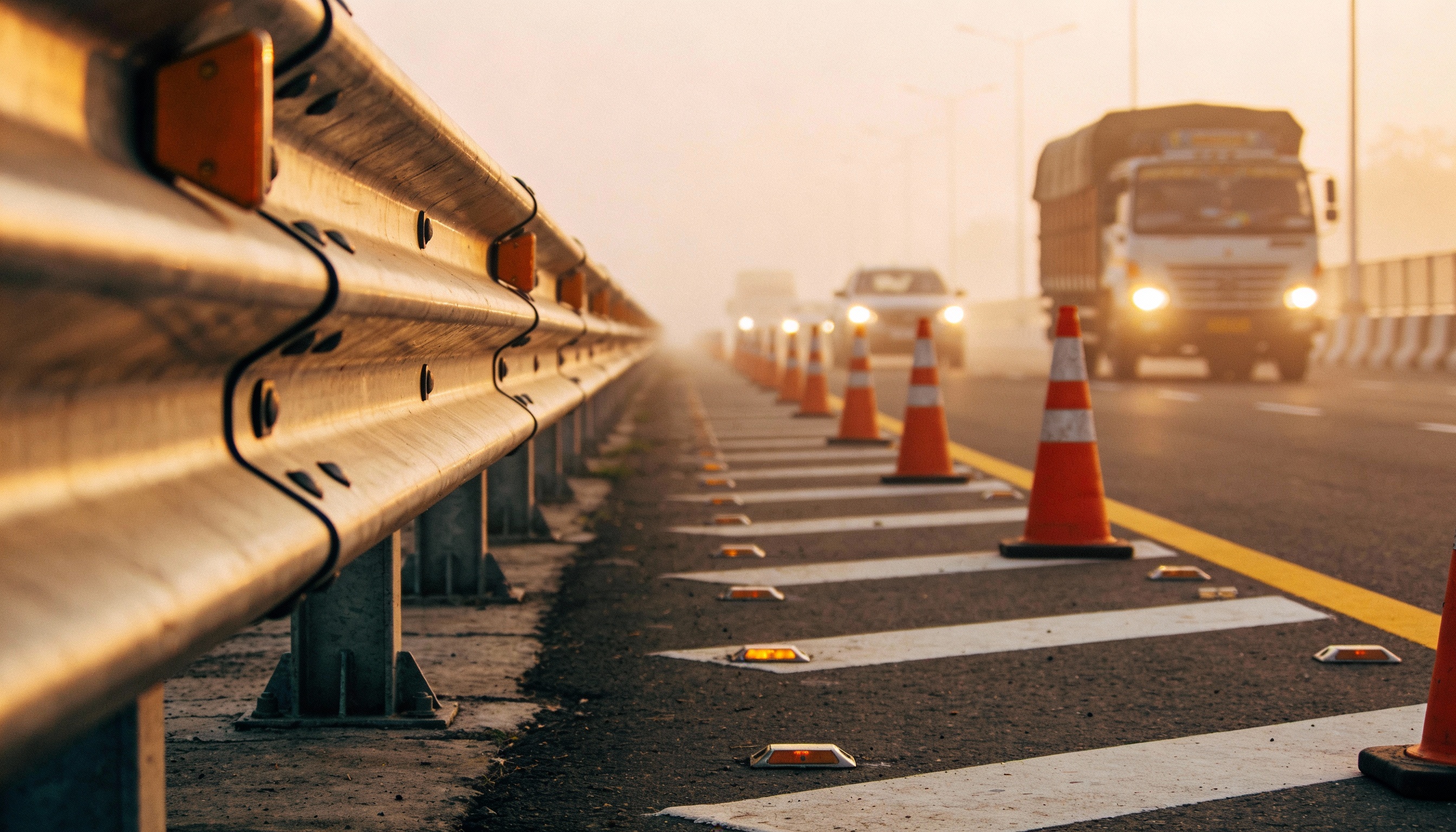
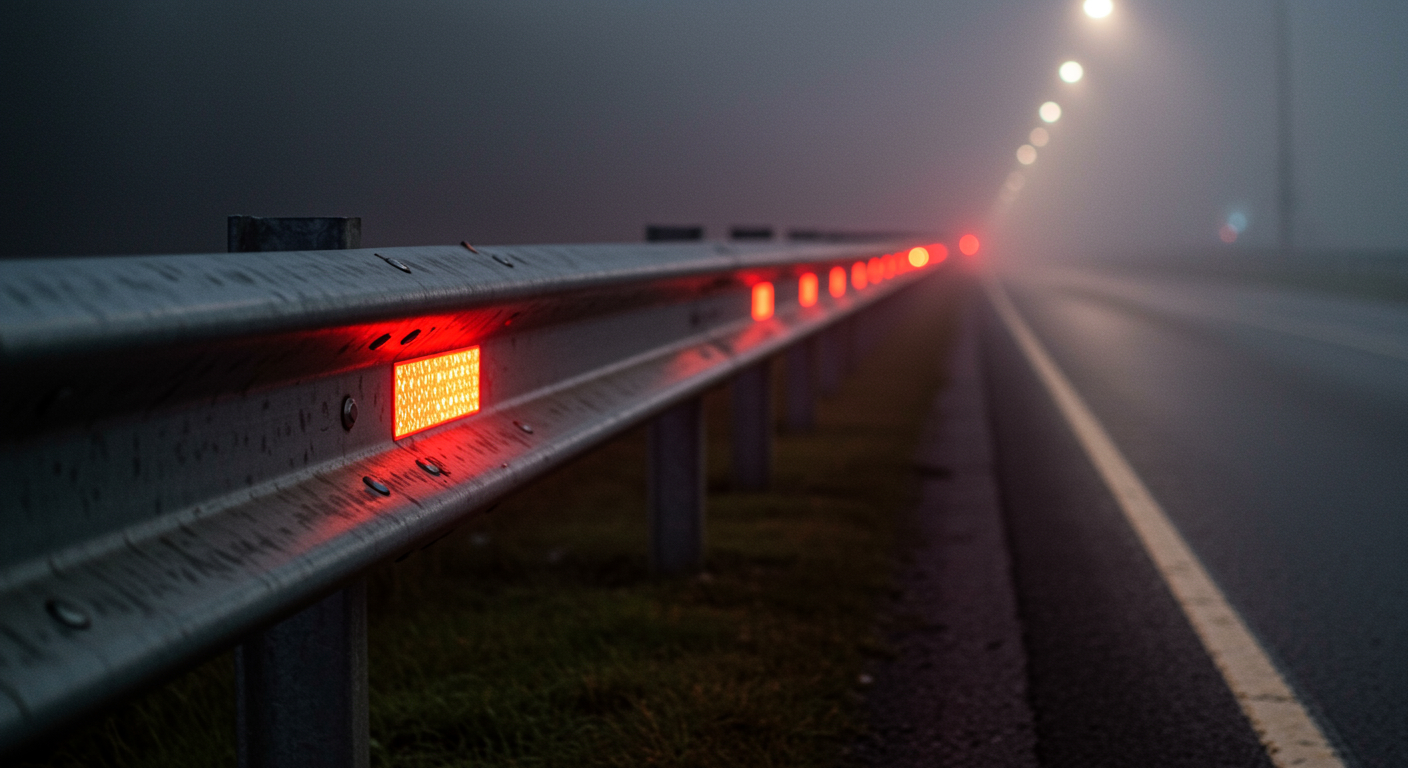
- Areas that remain engulfed by fog are more prone to accidents due to the lack of visibility. Such areas, being at a higher risk, require barriers that are effective and do their job.
Always remember, well-strategized and well-designed guardrails do not just stop the speeding vehicle. In fact, they absorb the impact, thereby reducing the number of accidents.
Why Are Guardrail Systems Essential for Road Safety?
Guardrails are an essential part of road safety. World data related to accidents on the road are clear proof of the fact that guardrails that are properly installed significantly reduce the number of fatalities and serious injuries.
Key Parameters of Guardrails on How They Work!
- They prevent the traffic from going off course and falling into drains and water bodies.
- They deteriorate the chances of head-on collisions as they divide the lanes, saving pedestrians, drivers, and riders.
- They also reduce the potential damage to infrastructure, including buildings and poles.
- They give a sense of psychological relaxation to the drivers, adding to their confidence.
The areas that are prone to accidents often get the benefits of rail guards, as an effective road barrier can considerably reduce the intensity of a collision if not completely avoid it.
What Types of Guardrail Systems Are Used in Road Infrastructure?
With a wide number of road environments, one must choose guardrails based on the roads. Let us read on and know about various types of guardrails.
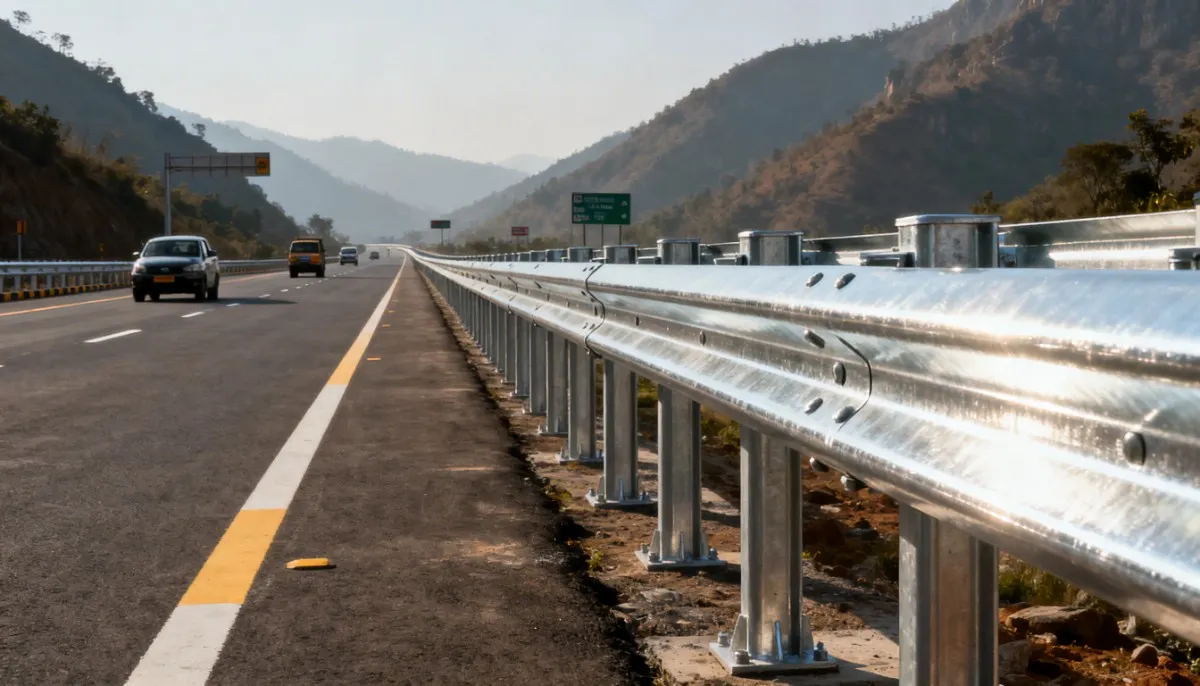
Highway Guardrails for High-Speed Roads
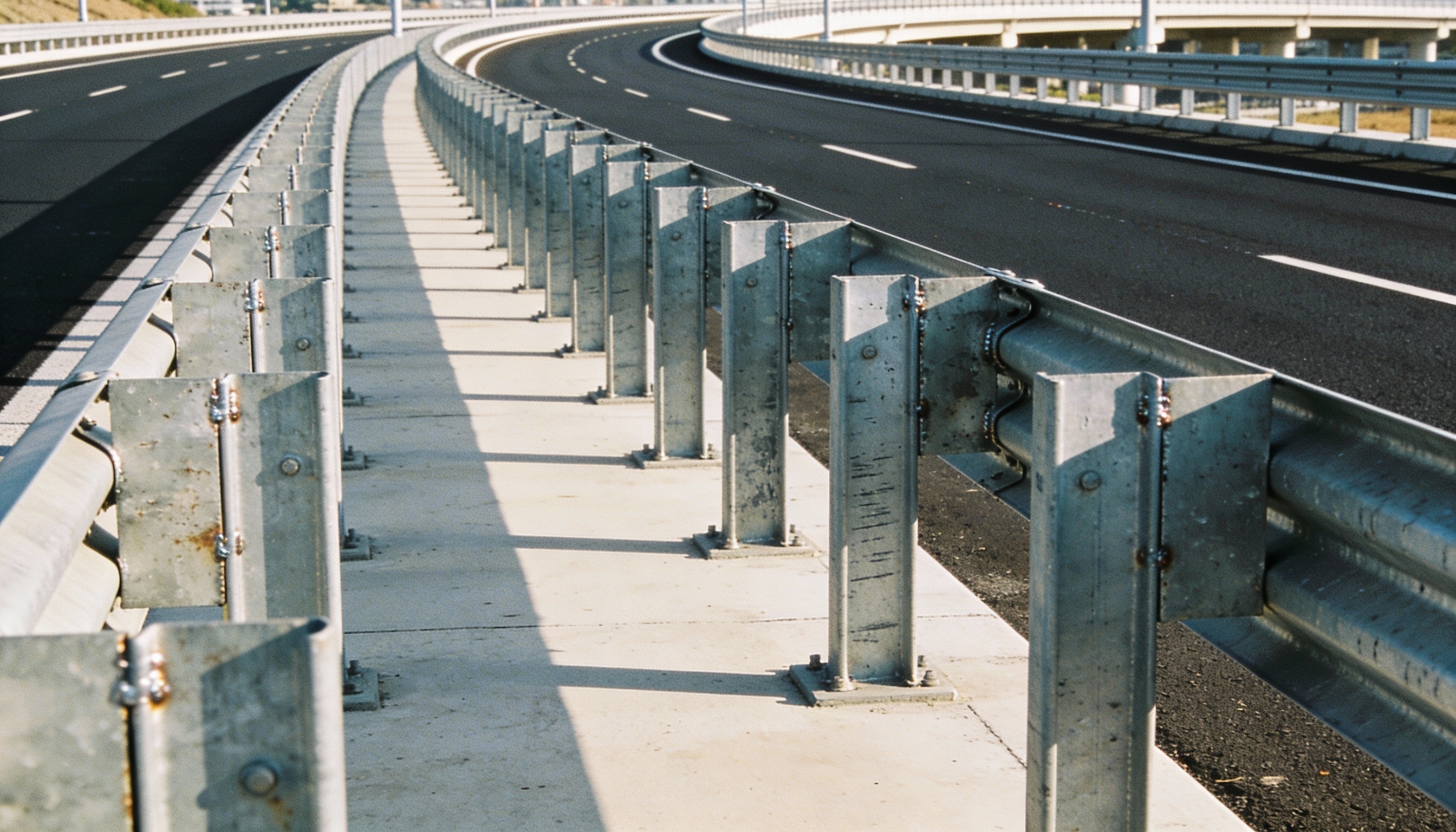
Specifically designed for areas with heavy traffic, highway guardrails are installed along
- National highways
- Expressways
- Flyovers
- Road medians
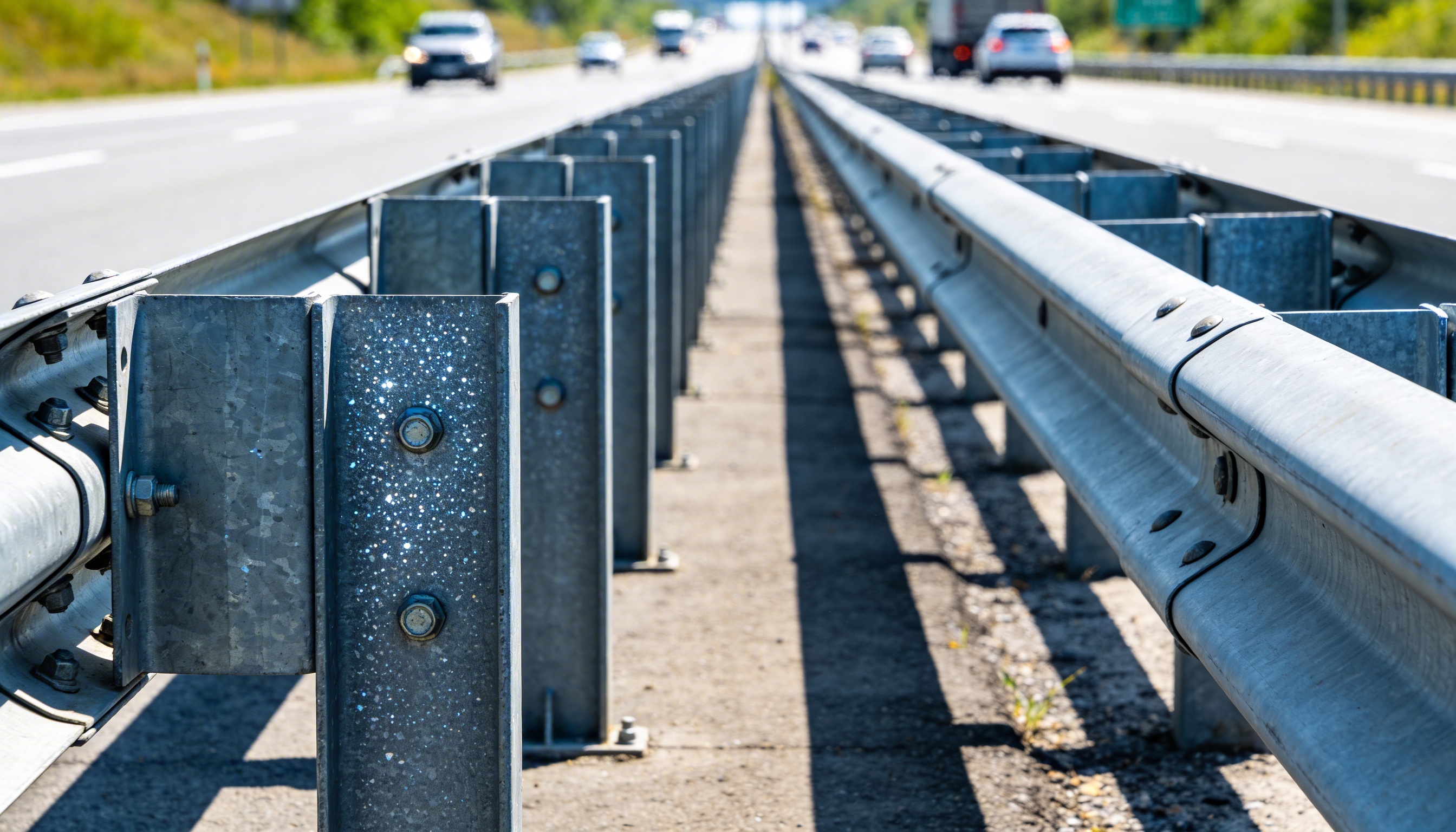
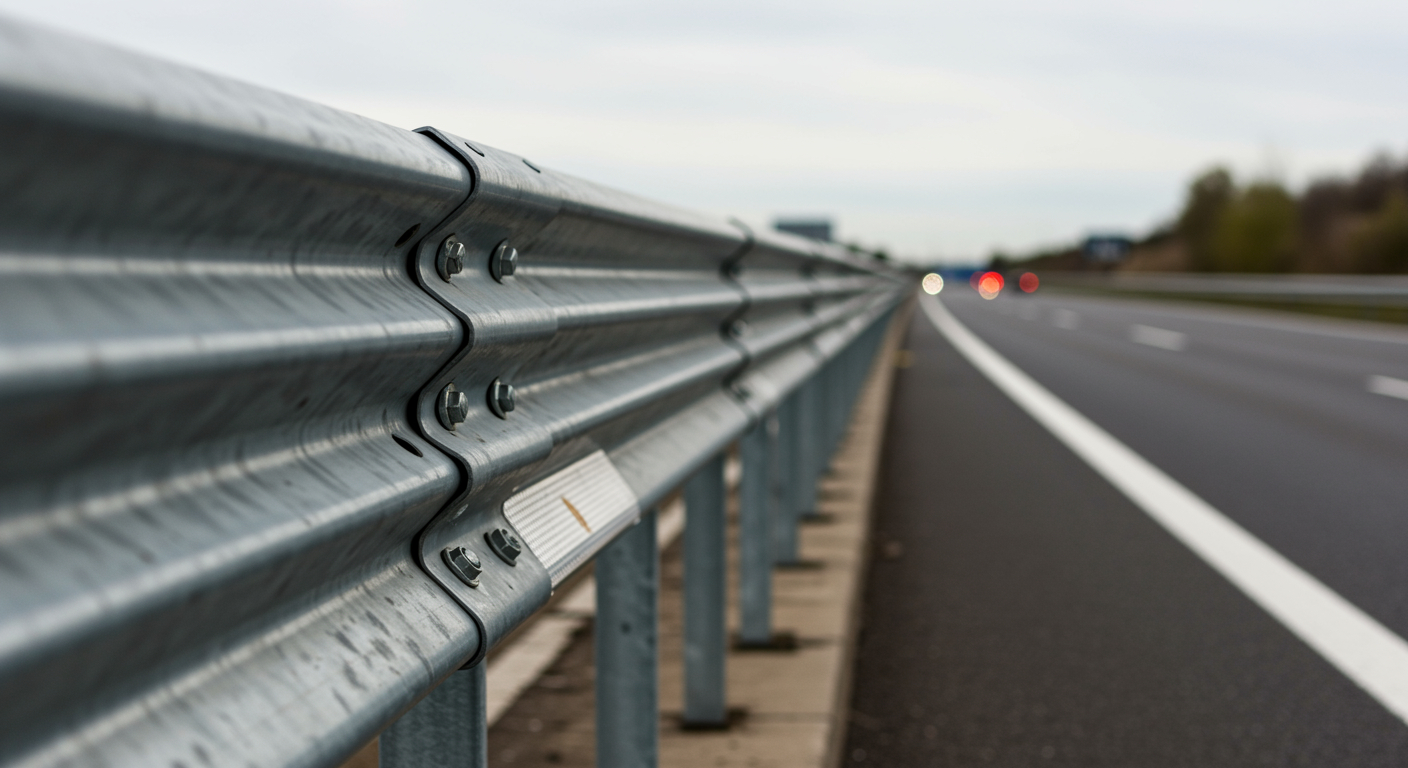
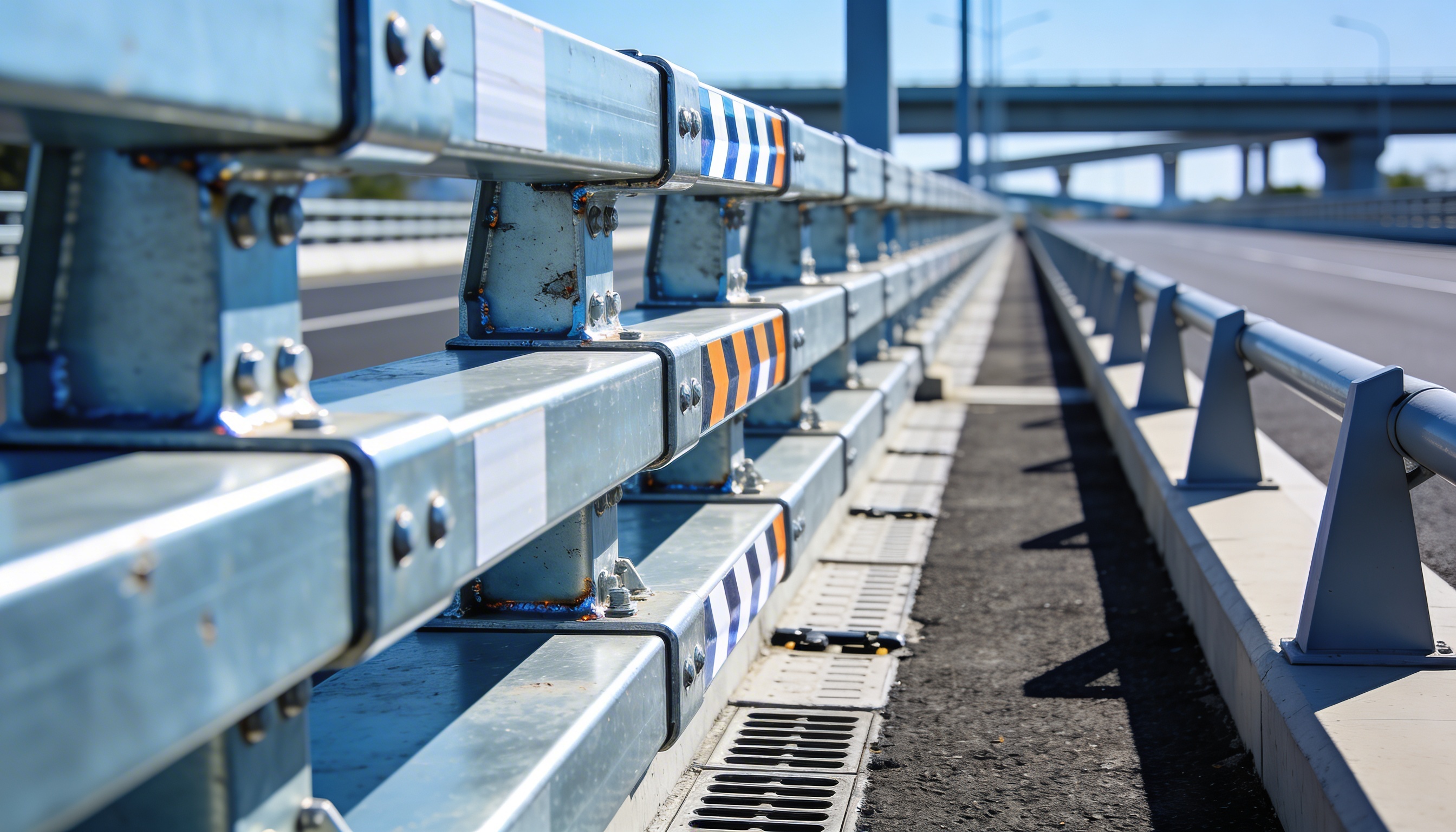
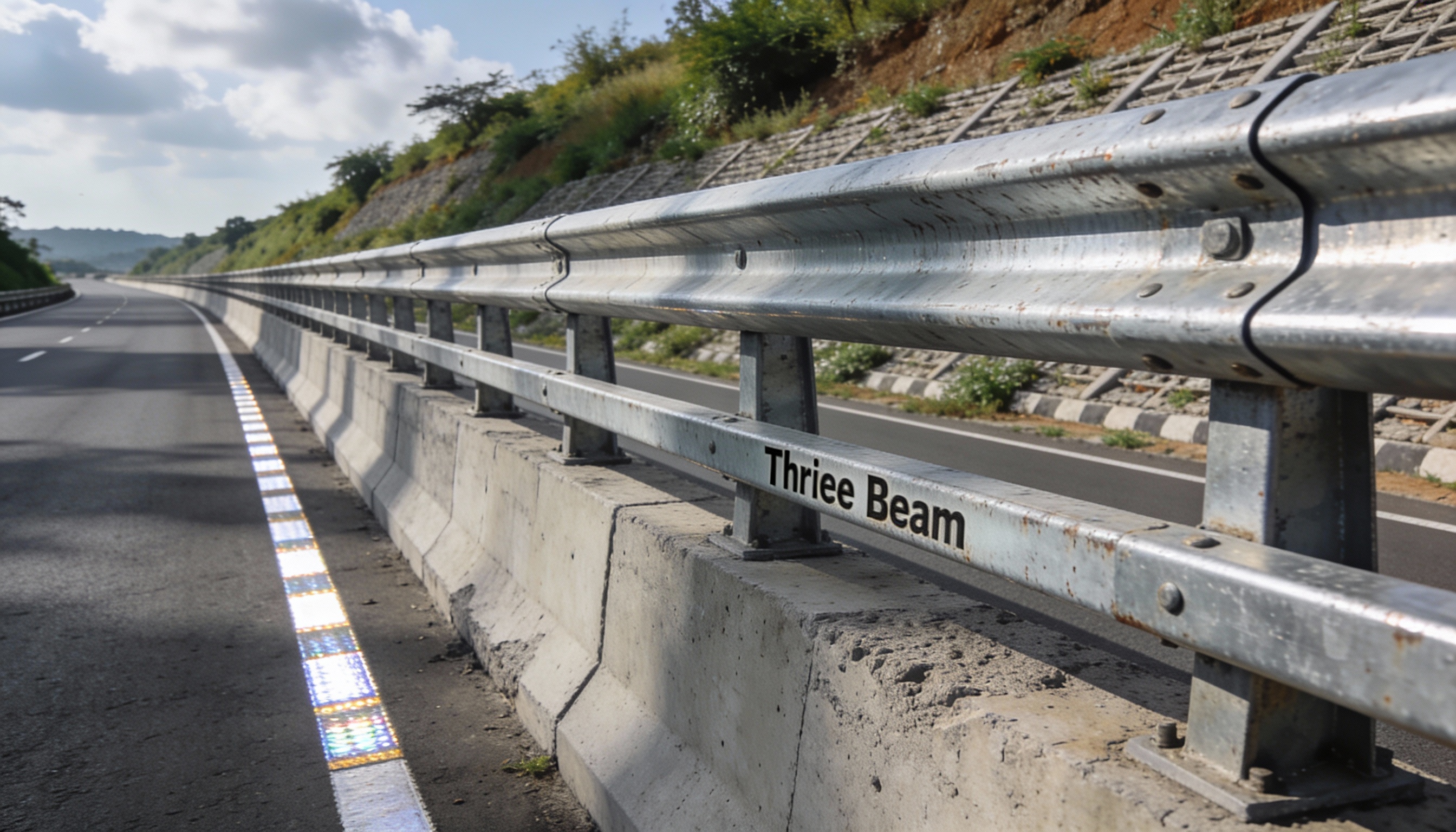
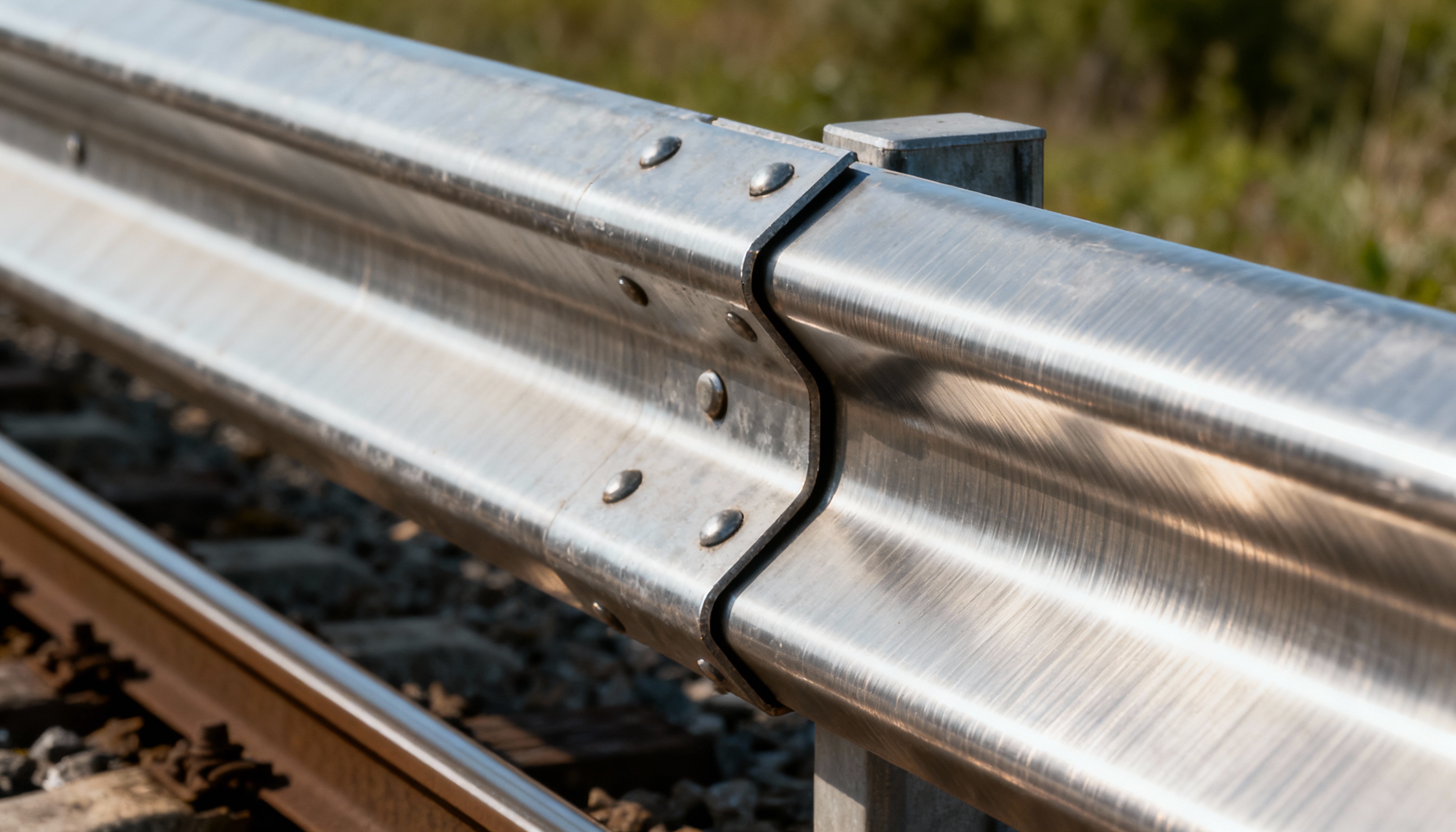
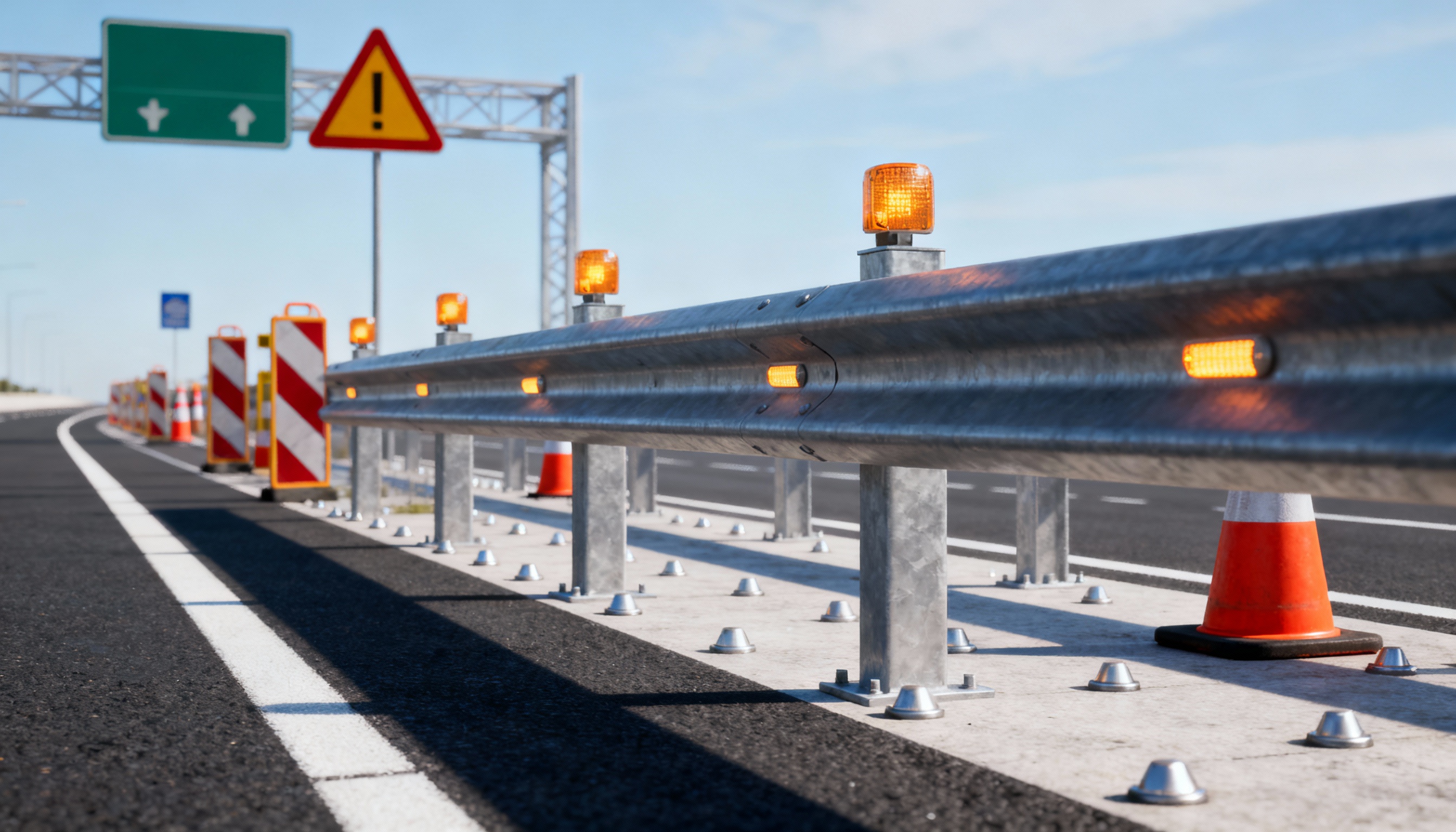
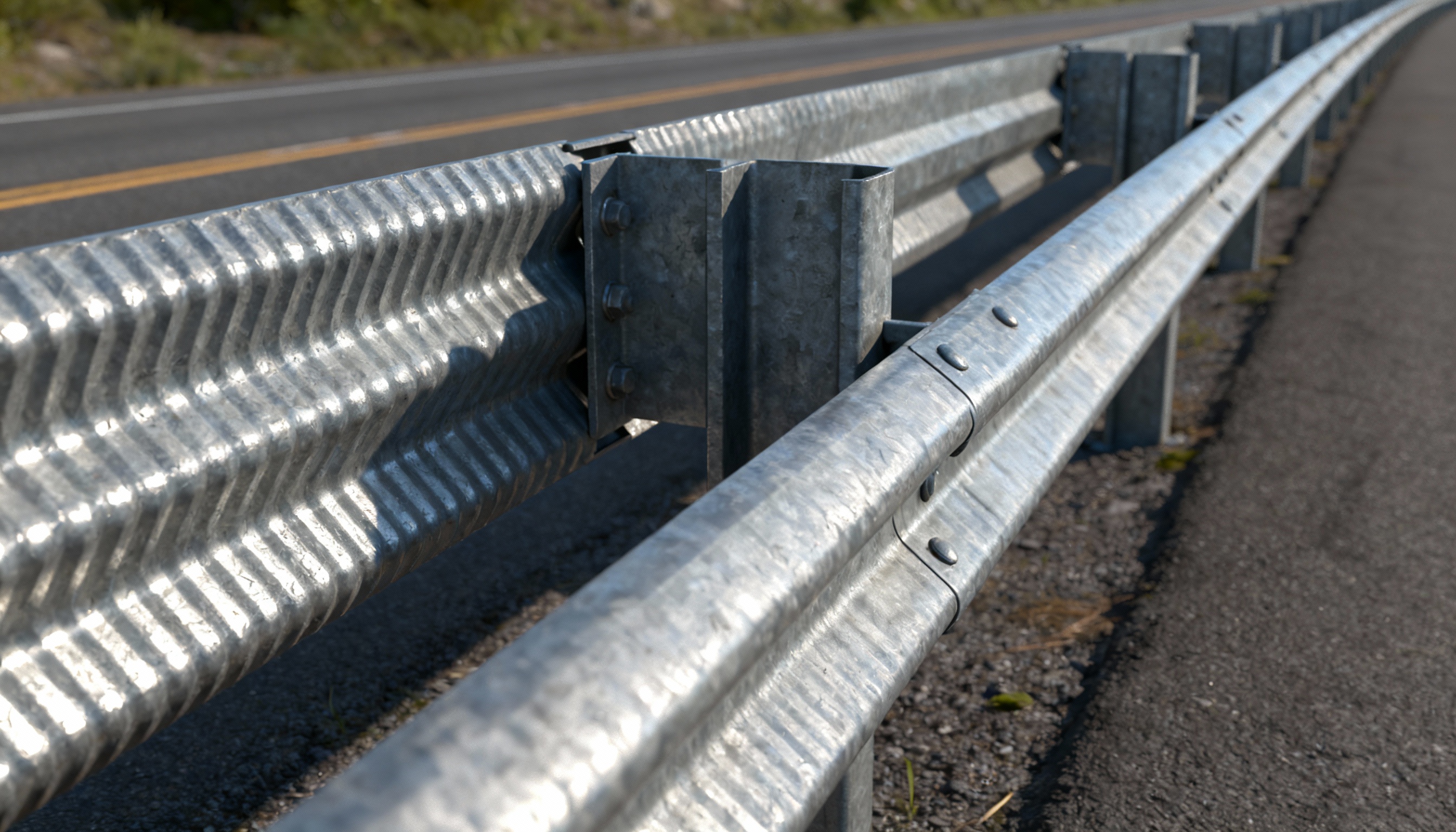
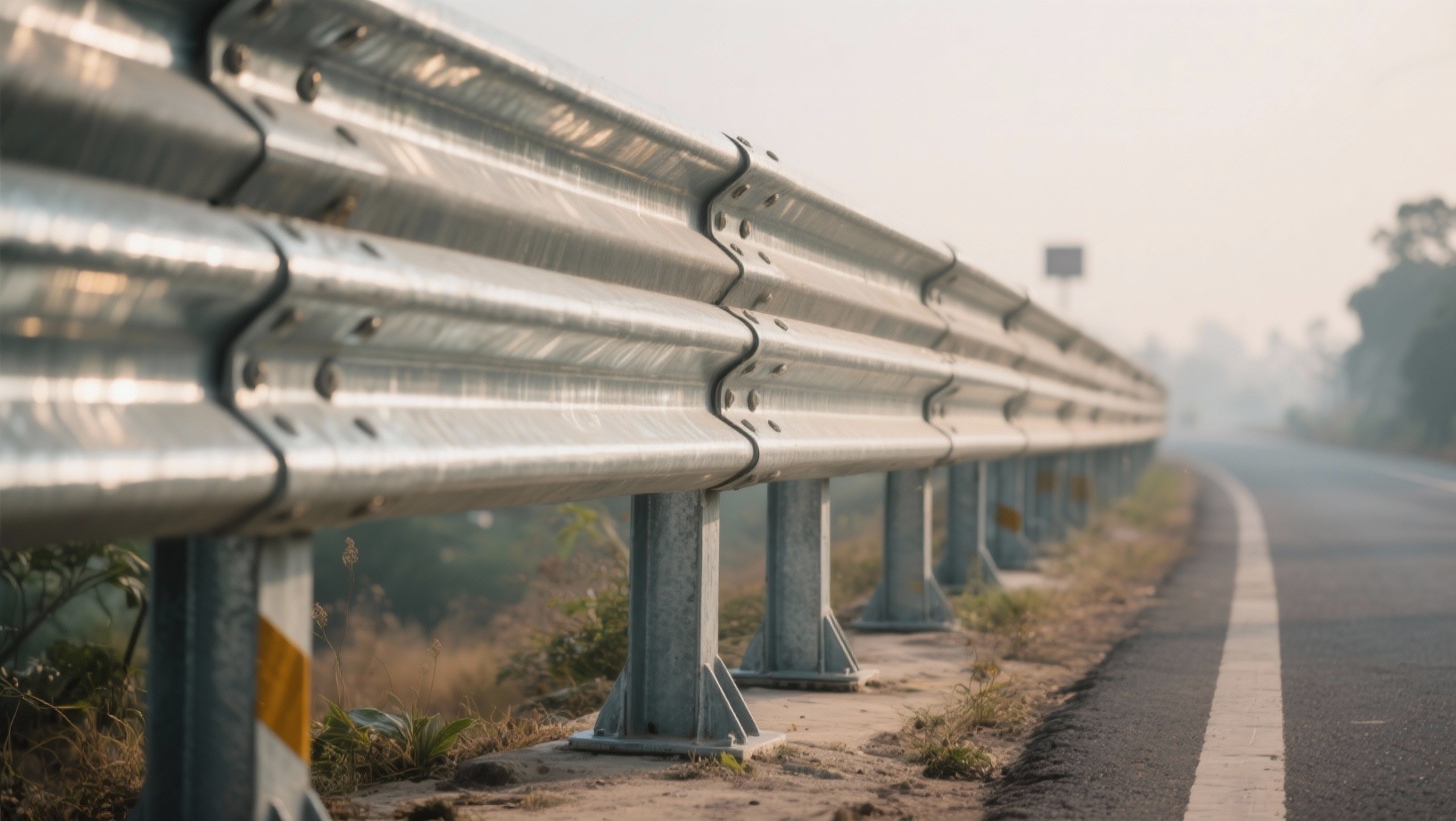
Highway guardrails usually use W-beam or thrie-beam crash barriers. They can easily tolerate heavy collisions while at the same time redirecting the traffic in a safe direction. In this type of crash barrier, galvanised steel is used to ensure high tolerance power. Also, galvanised steel has a long service life.
Pedestrian Guardrails for People’s Safety
As the name points out, pedestrian guardrails are used in areas where the number of people on foot is high. These guardrails guide the walkers in a safe lane and prevent unsafe crossings and accidents.
Common installation areas include:
- School areas
- Medical facilities
- Bus halts
- Markets
- Crossings
Pedestrian guardrails significantly reduce the movement of traffic. They also take care of the pedestrian safety.
Road Guardrails for City Roads and Curves
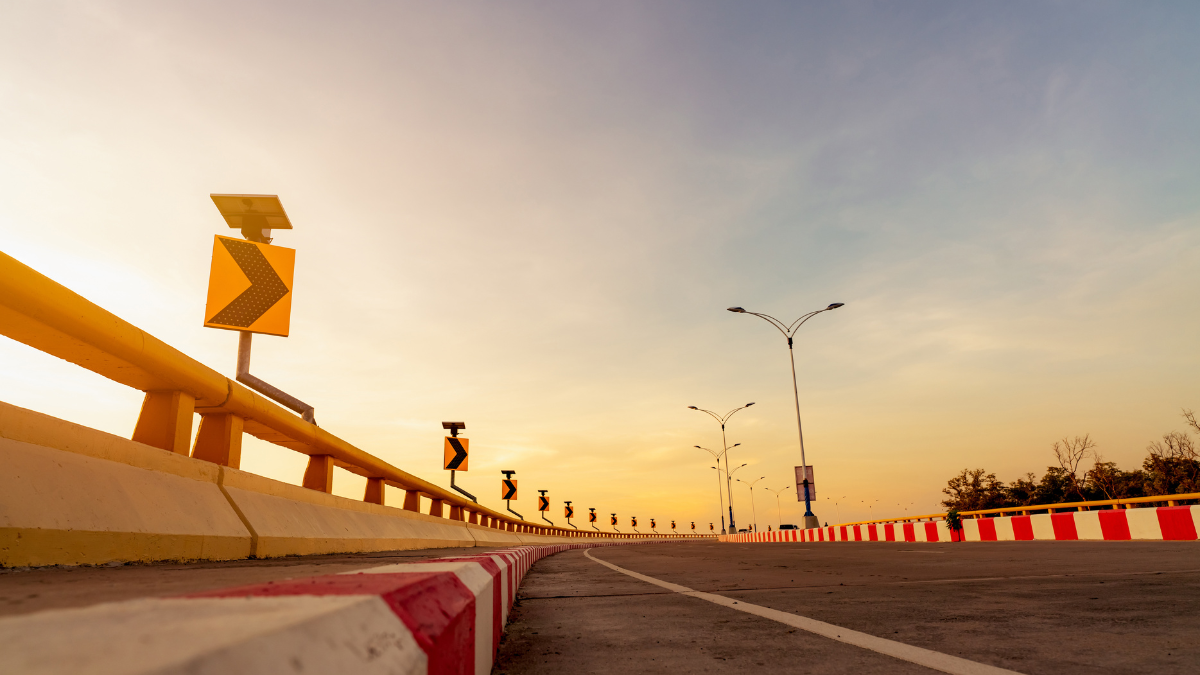
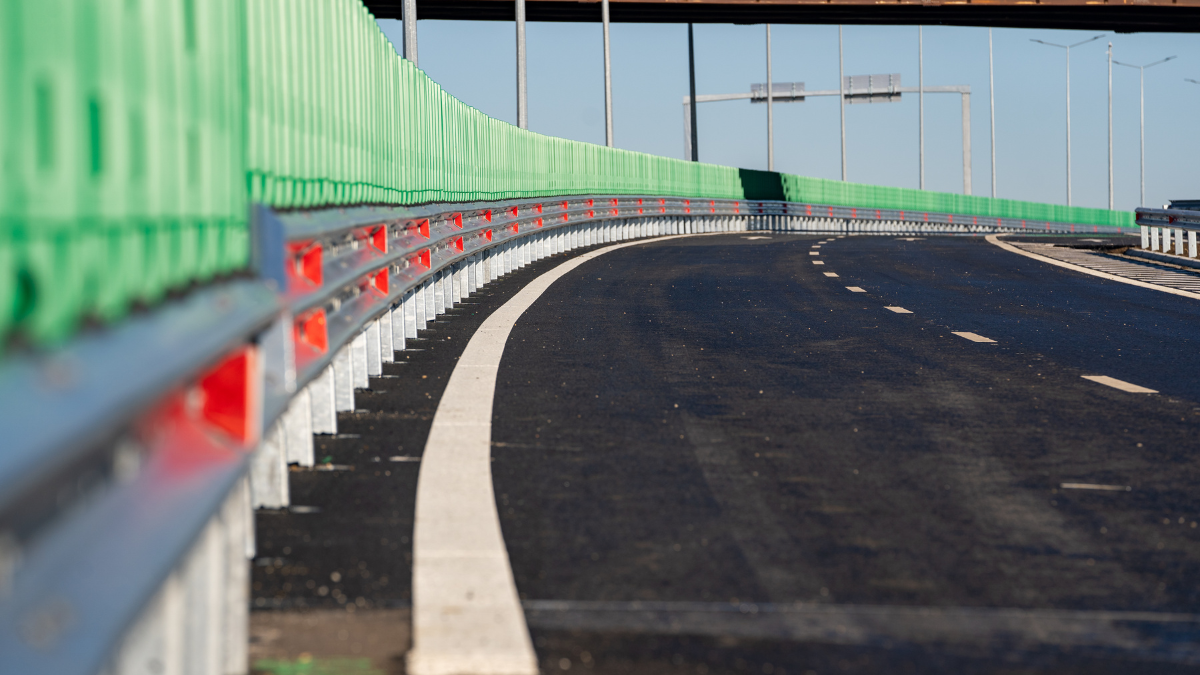
The roads in the cities face traffic challenges due to their sudden curves and mixed traffic. Road Guardrails are helpful in such environments, as they effectively manage the moderate-speed impacts.
They are commonly installed on:
- Sharp curves
- Elevated roads and highways
- Road edges near drains or embankments
- Traffic dividers
Road guardrails maintain a sense of discipline on the road. These guardrails help maintain lane discipline and prevent vehicles from entering unsafe zones.
The 2-in-1 Uses of Stainless Steel Guardrails
In the world we live in today, aesthetics and durability carry an important weight. Stainless steel guardrails provide maximum safety on the road apart from enhancing the visual appeal. They are used in:
- Urban areas
- Pedestrian walk zones
- Commercial spaces
- Coastal areas
These guardrails are extremely resistant to corrosion, as they are made of steel. They are designed keeping the modern infrastructure demands in mind.
What Materials Are Modern Guardrail Systems Made Of?
How a guardrail performs is completely based on the materials that are used in the manufacturing process. Some of the materials they are made up of include:
- Galvanised steel: It has a high strength and offers great resistance to impact.
- Stainless steel: It is durable and gives an enhanced visual look.
- W-beam steel sections: They are the usual choice for highway guardrails.
- Thrie-beam steel sections: They are widely used in high-risk areas and areas with heavy traffic.
Material selection is influenced by traffic speed, environmental exposure, safety requirements, and budget considerations.
Design Standards and Safety Considerations according to OSHA
The guardrails are designed in compliance with IRC and MoRTH standards.
Which Parameters Are Important!
- Impact of the moving vehicle
- Speed of the vehicle
- Intensity of the traffic
- Spacing between the posts
- Barrier height
Compliance with recognised design standards ensures that road guardrails perform as intended during real-world accidents.
Installation and Maintenance of Guardrail Systems
Appropriate installation of guard rails is important. In the absence of proper installation, even the best crash barriers can cease to perform after some time.
Common key practices are
- Precise spacing of posts
- Good alignment and height
Maintenance activities include:
- Regular inspections
- Tightening of posts
Comparison Table: Common Guardrail Types
|
Guardrail Type |
Application Area |
Key Benefit |
Typical Material |
|
Highway Guardrail |
Expressways & flyovers |
High impact absorption |
Galvanised steel |
|
Pedestrian Guardrails |
Urban footpaths |
Pedestrian safety control |
Steel / Stainless steel |
|
Road Guardrail |
City roads & curves |
Vehicle redirection |
W-beam steel |
|
Stainless Steel Guardrail |
Urban & coastal areas |
Corrosion resistance |
Stainless steel |
|
Thrie-Beam Guardrail |
High-risk zones |
Enhanced strength |
Heavy-duty steel |
Conclusion
Road guardrails are designed to save as many lives as possible and as many injuries as possible. With various types of road guardrails available in the market, like highway guardrails, pedestrian guardrails, and stainless steel guardrails, it becomes our responsibility to understand the road safety requirements and act accordingly.
Treadsafe Steel is one of the most responsible manufacturers and suppliers of guardrails. They have been in the industry for many, many years. Understanding the importance of sleeping peacefully at night, they offer only world-class guardrails and other safety barriers. Contact us today.
FAQs
Q1. What is the main purpose of a road guardrail?
To prevent vehicles and pedestrians from entering hazardous areas and to reduce accident severity.
Q2. Where are highway guardrails commonly installed?
On highways, expressways, bridges, flyovers, medians, and elevated road sections.
Q3. Why are pedestrian guardrails important in cities?
They guide pedestrian movement, reduce jaywalking, and improve overall urban safety.
Q4. What makes stainless steel guardrails different?
They offer superior corrosion resistance, durability, and a modern appearance.
Q5. How long do guardrail systems typically last?
With proper installation and maintenance, guardrails can last several decades.
- FEBRUARY 09, 2026
- By Admin
- FEBRUARY 09, 2026
- By Admin
- FEBRUARY 09, 2026
- By Admin
- FEBRUARY 09, 2026
- By Admin
- FEBRUARY 09, 2026
- By Admin
- FEBRUARY 09, 2026
- By Admin
- FEBRUARY 09, 2026
- By Admin
- FEBRUARY 09, 2026
- By Admin
- FEBRUARY 09, 2026
- By Admin
- FEBRUARY 09, 2026
- By Admin
- FEBRUARY 09, 2026
- By Admin
- FEBRUARY 09, 2026
- By Admin
- FEBRUARY 09, 2026
- By Admin

- FEBRUARY 09, 2026
- By Admin
- FEBRUARY 09, 2026
- By Admin
- FEBRUARY 09, 2026
- By Admin
- FEBRUARY 09, 2026
- By Admin
- FEBRUARY 09, 2026
- By Admin
- FEBRUARY 09, 2026
- By Admin
- FEBRUARY 09, 2026
- By Admin
- FEBRUARY 09, 2026
- By Admin
- FEBRUARY 09, 2026
- By Admin
- FEBRUARY 09, 2026
- By Admin
- FEBRUARY 09, 2026
- By Admin